

 en
en
 English
 русский
 Español
 عربى
عربى ไทย
ไทย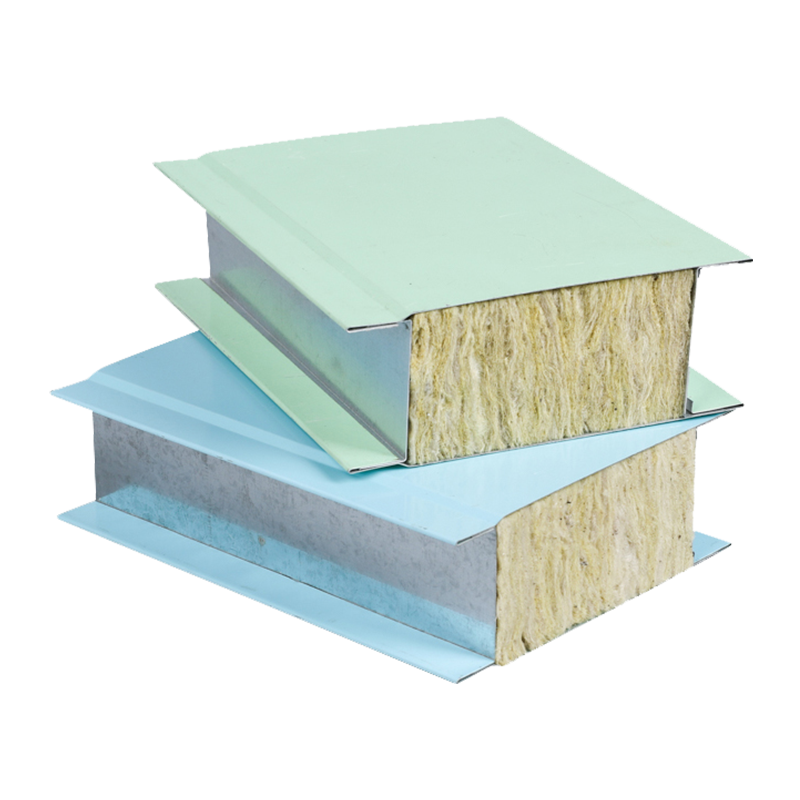
-
Kaisier Clean Technology Announces Official Operation of New Thailand Production Base, Enhancing Global Supply Chain Resilience
Jan, 30, 2026
Industry NewsZhejiang Kaisier Clean Technology Co., Ltd., a leading provider of high-performance cleanroom solutions, is proud to announce the official commencement of operations at its state-of-the-art production base in Thailand, u... -
Kaiser Unveils Next-Gen Antimicrobial Clean Panel Series, Setting New Benchmark for Healthcare & High-Tech Facilities
Jan, 30, 2026
Industry NewsInnovating at the intersection of safety and purity, Zhejiang Kaiser Clean Technology Co., Ltd. has launched its next-generation clean panel series, engineered with proprietary advanced surface treatment technology. This... -
Kaisier Clean Technology Showcases Total Cleanroom Solutions at SEMICON Southeast Asia 2024, Highlighting “One-Stop Service” Model
Jan, 30, 2026
Industry NewsZhejiang Kaisier Clean Technology Co., Ltd., together with its Thai subsidiary, successfully participated as an exhibitor at SEMICON Southeast Asia 2024, one of the region’s premier events for the microelectronics manufa...
Modular Cleanroom Wall Panels Manufacturer
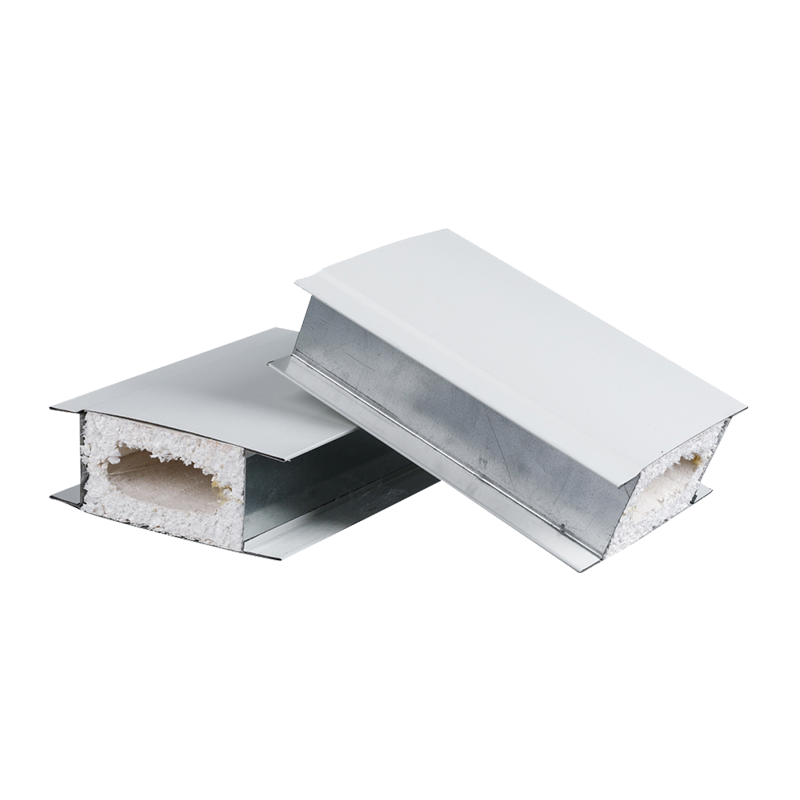
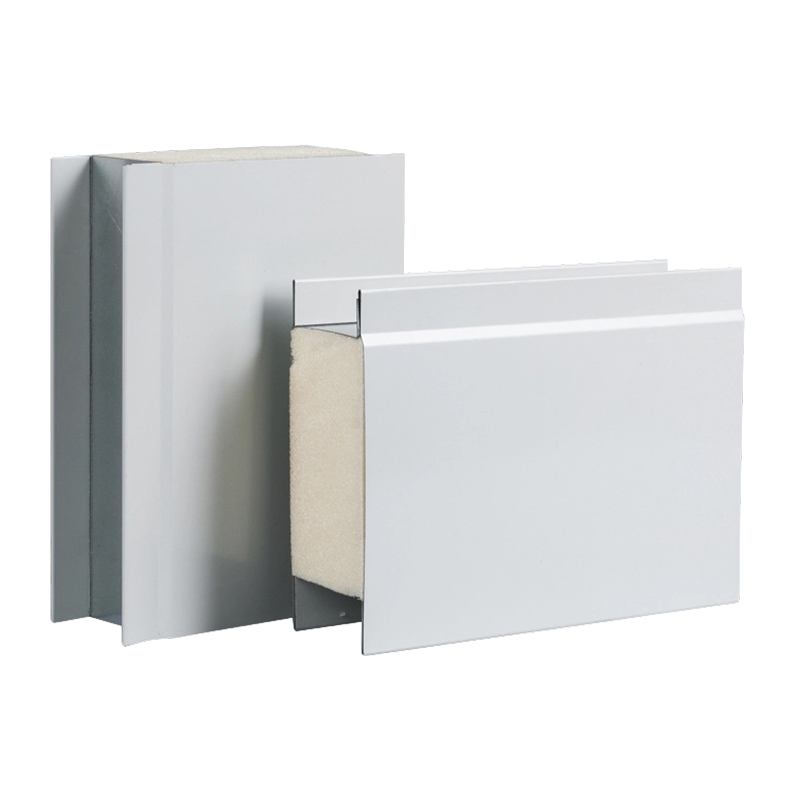
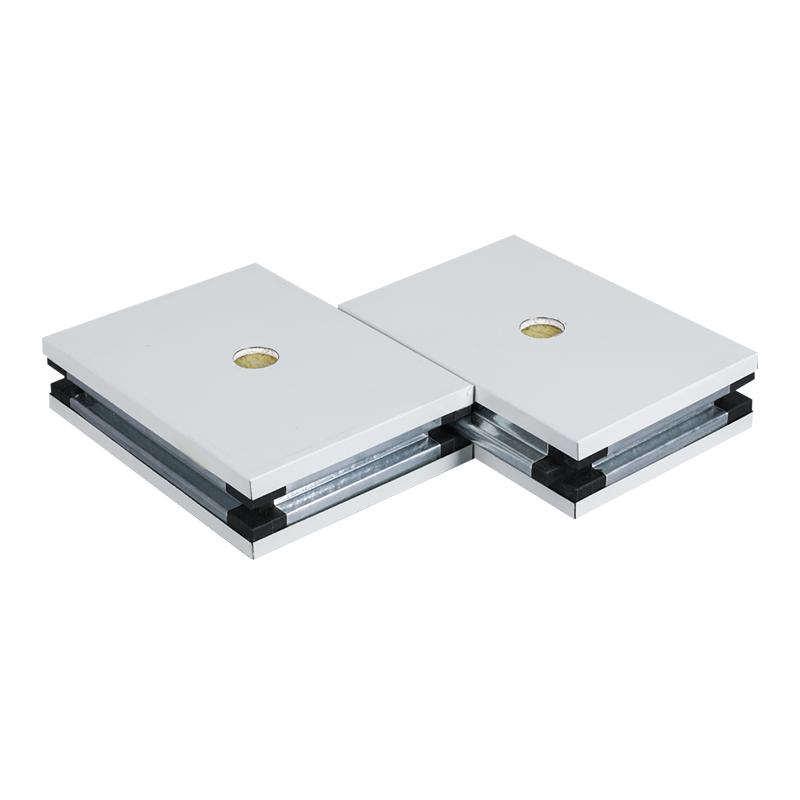
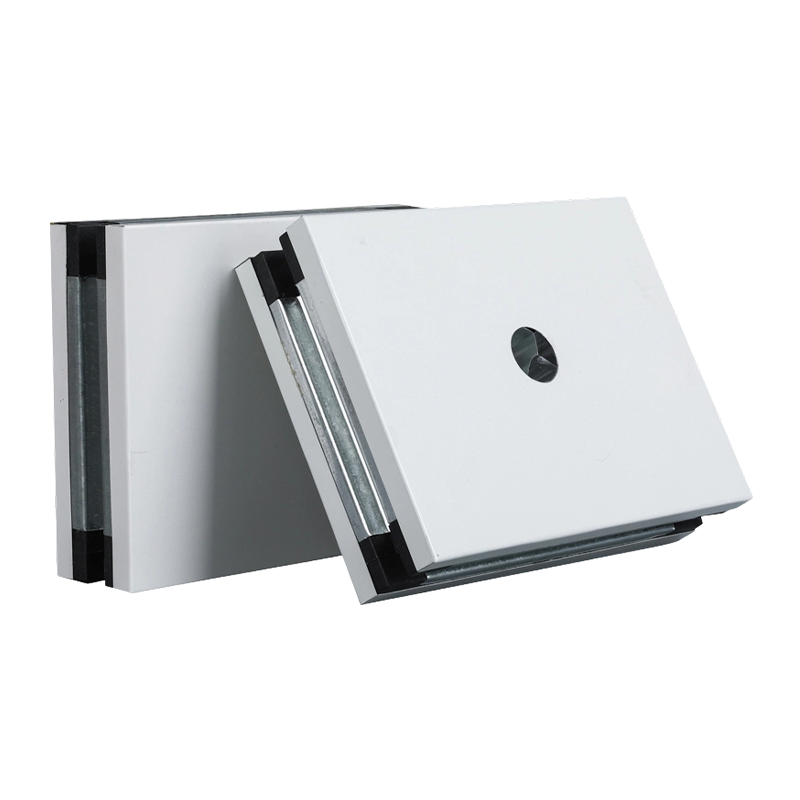
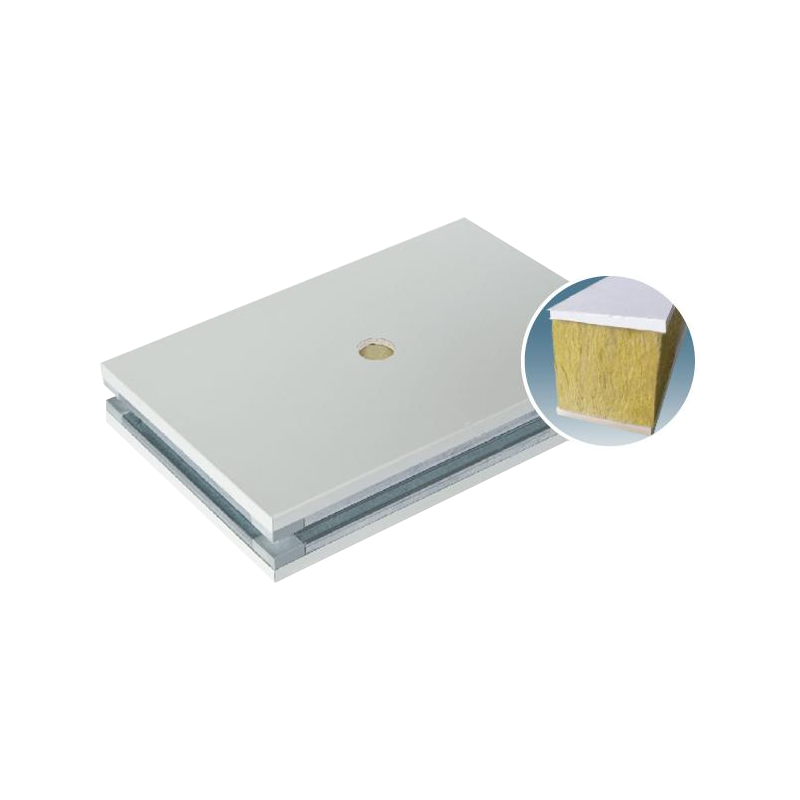
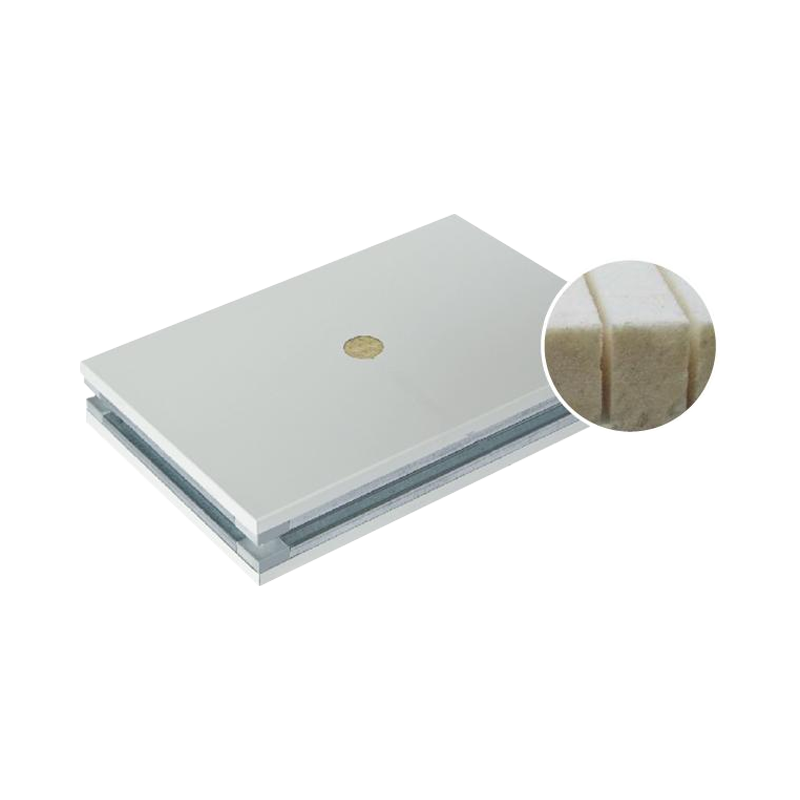
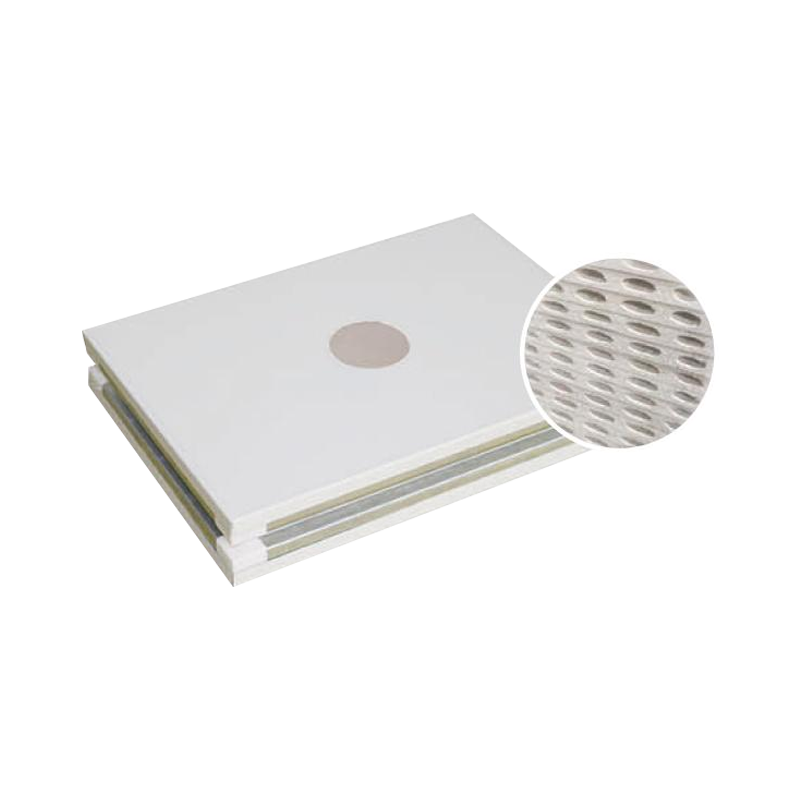
Cleanroom panels are high-performance building materials specifically designed for cleanroom systems. They are widely used in various environments requiring controlled air quality and reduced contamination, playing a crucial role, especially in the pharmaceutical, electronics, and food processing industries. These panels effectively prevent external pollutants from entering the working environment, ensuring the cleanliness of the indoor air and the stability of production processes.
Functions and Advantages:
High Contamination Prevention: Cleanroom panels are manufactured using special materials and processes, resulting in a smooth and airtight surface that effectively prevents the accumulation and growth of dust, particles, and bacteria, maintaining a high level of cleanliness in the cleanroom environment.
Antibacterial and Corrosion Resistance: Many cleanroom panels have antibacterial properties, preventing the growth and reproduction of bacteria on the surface, ensuring environmental hygiene. In environments with high humidity or corrosive gases, the corrosion resistance of cleanroom panels is particularly outstanding, preventing aging or damage even after prolonged use.
Easy Cleaning and Maintenance: The smooth surface of cleanroom panels makes it difficult for stains and contaminants to adhere, simplifying cleaning and disinfection, reducing maintenance costs and time, and providing a long service life and high durability.
Lightweight Design: Modern cleanroom panels are manufactured using lightweight materials, reducing the structural load and facilitating transportation and installation. Despite their light weight, their sturdiness and stability meet the requirements of demanding environments.
Excellent Sound Insulation and Thermal Insulation: Cleanroom panels are often designed to have good sound insulation and thermal insulation properties, effectively blocking external noise and maintaining a stable indoor temperature, helping to reduce energy consumption.
Environmental Protection and Safety: The manufacturing process of cleanroom panels adheres to environmental standards, and the materials themselves do not contain harmful substances, meeting modern environmental requirements. They do not release harmful gases during use, ensuring indoor air quality and user safety.
Product Categories
About Kaisier
Kaisier Cleans the Globe Tech Empowers Tomorrow
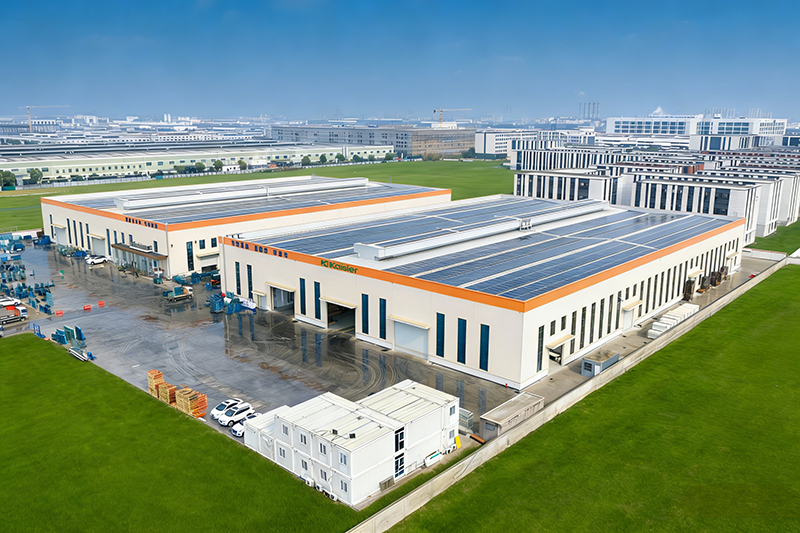
Zhejiang Kaisier Clean Technology Co.,Ltd. upholding the brand mission of "Kaisier Cleans the Globe, Tech Empowers Tomorrow", Zhejiang Kaisier Clean Technology Co., Ltd. and its Thai subsidiary are a technology-driven enterprise in the clean industry with a global layout. The company has built four modern production bases in China and Thailand, forming a "domestic coordination + international radiation" capacity network equipped with intelligent production lines and precision testing equipment to ensure stable and efficient supply.
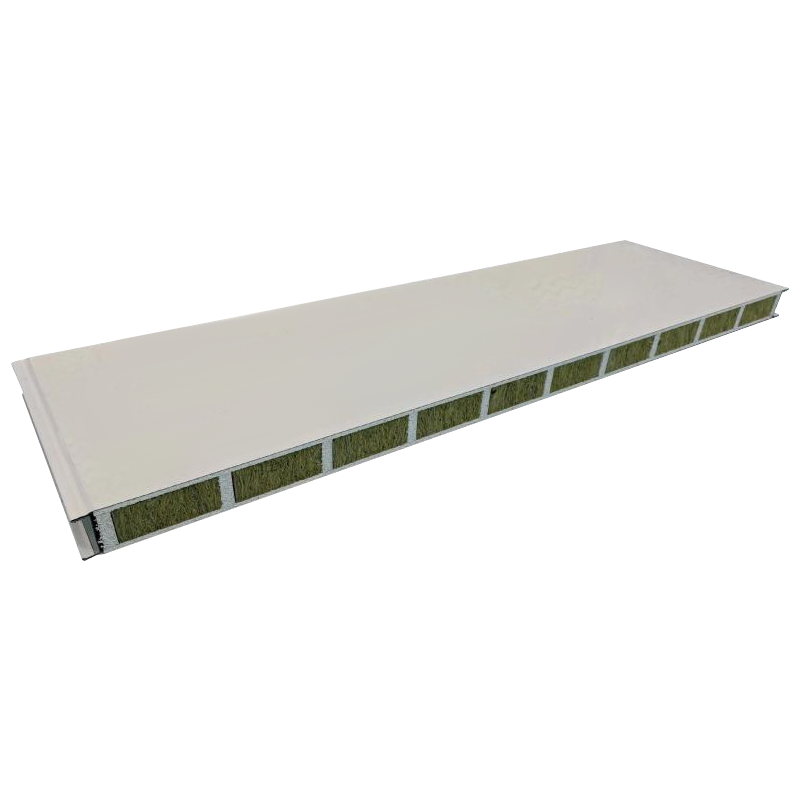
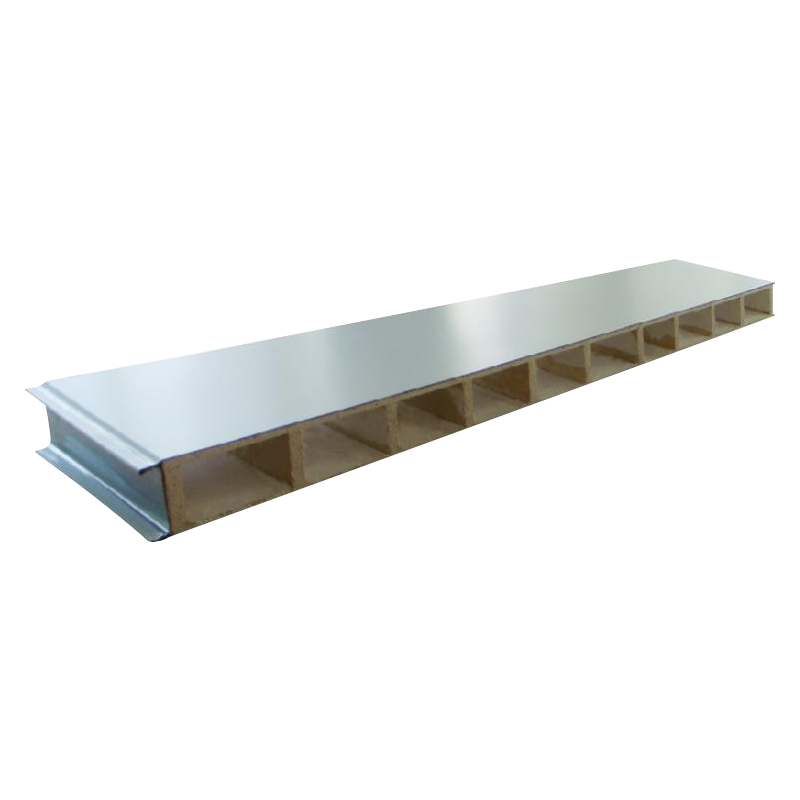
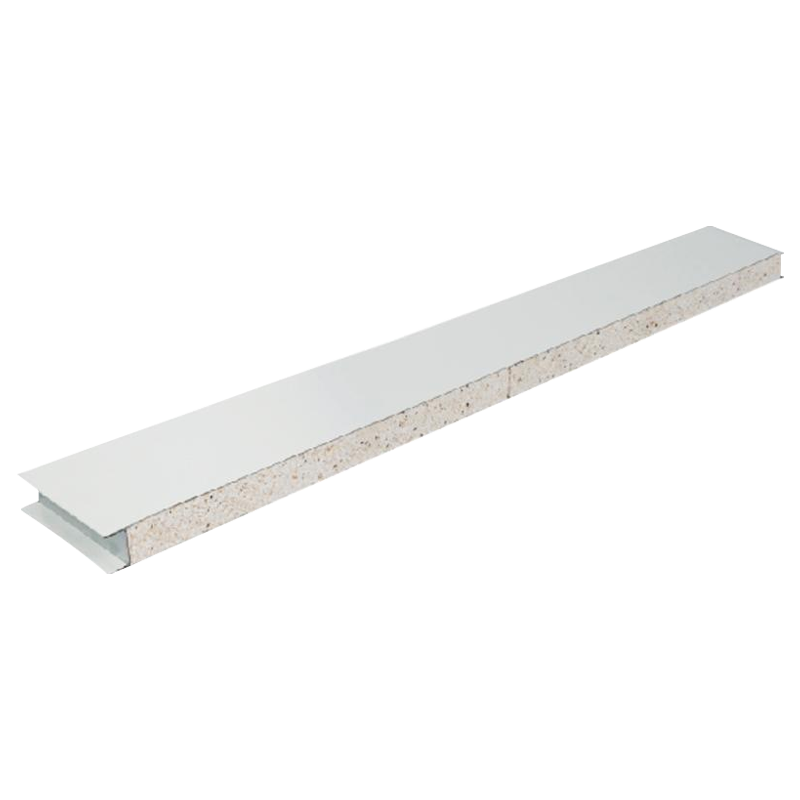
We are a China OEM/ODM Cleanroom Sandwich Panel Company and Modular Cleanroom Wall Panels Manufacturer, specialize in R&D, production and sales of a full range of clean panels, including color steel sandwich panels, rock wool clean panels and magnesium oxide clean panels, which can meet the stringent requirements of Class 100 to Class 300,000 air purification projects. Our products lead the world in fire resistance, antibacterial and antistatic performance, and are widely applied in high-end fields such as healthcare, electronics and food industries, providing one-stop services from solution design to after-sales support. With technological innovation as the core and the philosophy of "precision engineering for ultimate cleanliness", we are committed to delivering safe and reliable clean space solutions for global customers.
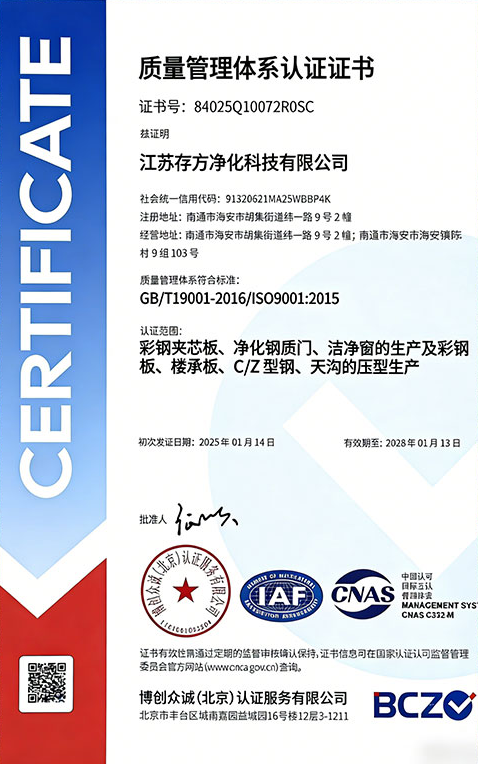
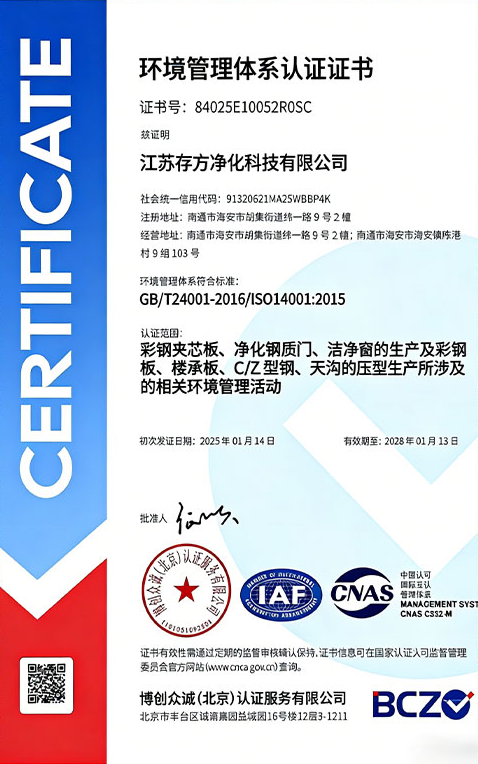
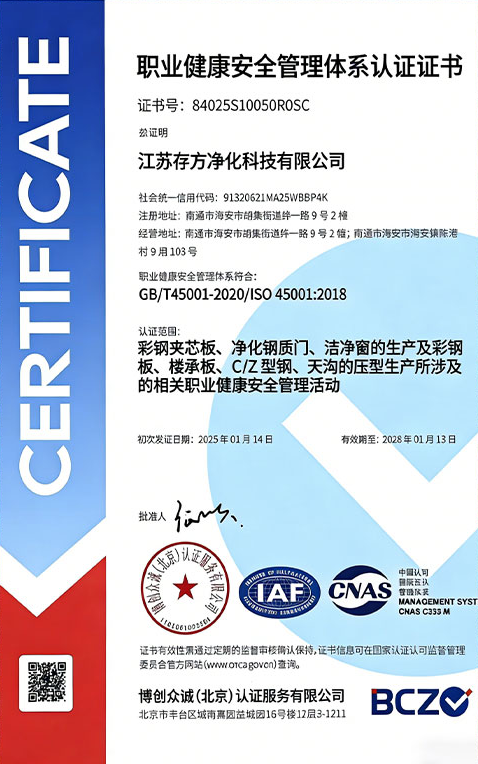
Certificate Of Honor
Our Latest News
Message Feedback
Clean room panels Industry knowledge
In cleanroom systems, modular wall panels are not merely enclosures — they are the core functional layer for contamination control and process stability. For pharmaceutical, electronics, and food processing industries, choosing the wrong wall panels can lead to non-compliant cleanliness levels, frequent panel replacement, or even production stoppages. The clear conclusion is: modular wall panels must simultaneously meet three rigid requirements — high airtightness, antibacterial and corrosion resistance, and easy cleanability — while requiring precise selection between machine-made and manual panels based on cleanliness class and load demands. Below is a practical selection framework based on performance data, application scenarios, and economic considerations.
Core Performance Metrics: Four Key Data Points for Modular Wall Panels
High-quality modular cleanroom wall panels must meet or exceed industry baselines across the following four metrics. Test data from leading manufacturers such as Kaisier are shown below:
| Performance Metric | Industry Recommended Value | Kaisier Typical Measured Value | Practical Significance for Cleanrooms |
|---|---|---|---|
| Surface Airtightness | Air leakage ≤0.5 m³/(h·m²) @ 100Pa | ≤0.3 m³/(h·m²) | Prevents infiltration of unfiltered air, maintains cleanliness level |
| Antibacterial Activity Value | ≥2.0 (antibacterial rate >99%) | >6.0 (antibacterial rate >99.9%) | Inhibits bacterial biofilm formation, reduces cross-contamination risk |
| Corrosion Resistance (48h salt spray) | No blistering, no rust | No change (magnesium oxysulfate panel) | Suitable for frequent disinfectant wiping and high-humidity environments |
| Surface Roughness Ra | ≤0.8 μm | ≤0.4 μm | Easy to clean, minimal particle adhesion |
These data indicate that: modular wall panels with double-sided color steel or antibacterial PVDF coating, combined with seamless tongue-and-groove connections, provide the fundamental assurance for ISO Class 5 (Class 100) to ISO Class 8 (Class 100,000) cleanrooms. For electronics factory lithography rooms or biosafety laboratories, surface resistance testing is additionally recommended to ensure antistatic performance in the range of 10⁶–10⁹ Ω.
Selection Decision: Machine-Made vs. Manual Modular Wall Panels
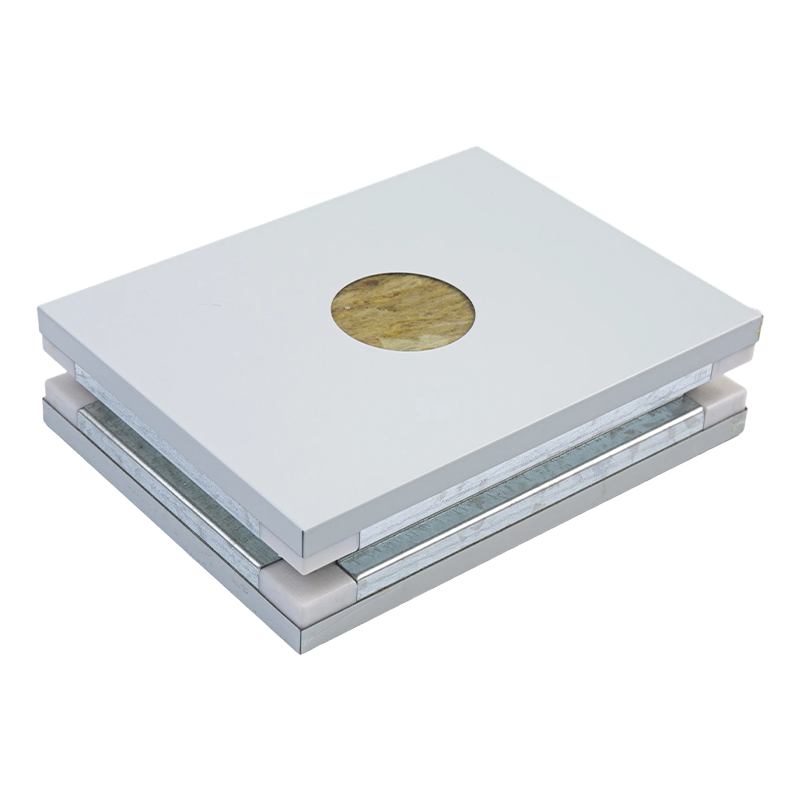
Modular cleanroom wall panels are classified by manufacturing process into machine-made panels (continuous automated production) and manual panels (perimeter steel band sealing + reinforcing ribs). Their comparison in key scenarios is as follows:
| Comparison Dimension | Machine-Made Modular Panels | Manual Modular Panels |
|---|---|---|
| Typical Cleanliness Class | ISO 7 (Class 10,000) to ISO 8 (Class 100,000) | ISO 5 (Class 100) to ISO 6 (Class 1,000) |
| Single-Point Hanging Capacity | ≤30 kg (not recommended for equipment) | ≥120 kg (can mount FFUs/ductwork) |
| Surface Flatness (2m straightedge) | ≤1.0 mm | ≤0.5 mm |
| Total Cost (USD/m²) | ~28–36 | ~42–55 |
| Recommended Application Examples | Food packaging rooms, general electronics assembly areas | Biopharmaceutical filling rooms, semiconductor lithography areas |
A practical and constructive strategy is: use manual modular wall panels in critical cleanroom zones (e.g., filling rooms, inspection labs) and machine-made panels in gowning rooms, corridors, and secondary packaging areas. One vaccine manufacturer adopted this hybrid approach, meeting ISO 6 requirements in the core zone while saving approximately 18% of total wall panel costs (on an 8,000 m² project, saving about USD 38,000).
Installation & Maintenance: Five On-Site Guidelines for Modular Wall Panels
Even with high-performance modular wall panels, improper installation and maintenance will lead to cleanliness failure. The following practical guidelines are summarized from multiple cleanroom projects:
- Pre-installation inspection: Check diagonal deviation (≤2 mm/m) and surface scratches on each panel before installation. Scratches deeper than 0.1 mm must be rejected, as they become points for microbial growth.
- Sealant application: Use neutral mildew-resistant silicone sealant with cured Shore hardness of 25±5. Excessive hardness leads to cracking; too low hardness attracts dust. Inside and outside corners should form a radius ≥3 mm arc for easy cleaning.
- Flush-mounted fittings: All switches, sockets, and viewports must have pre-installed aluminum or stainless steel frames at panel joints to prevent exposed core material. Gap between frame and panel should be ≤0.3 mm.
- Daily cleaning protocol: Do not use chlorine-based bleach directly on color steel surfaces (damages coating). Recommended disinfectants: 70% isopropyl alcohol or quaternary ammonium compounds. Cleaning frequency no less than once per shift.
- Periodic airtightness retesting: Perform smoke tracing or differential pressure leak detection on panel joints every six months. If any leak >0.1 cfm/ft² is found, immediately re-apply sealant or replace gaskets.
Following these guidelines, high-quality modular cleanroom wall panels (such as Kaisier's aluminum honeycomb manual panels or magnesium oxysulfate machine-made panels) can achieve a service life of more than 10 years, with almost no degradation of antibacterial performance under regular cleaning.
Future Trends: Energy-Efficient & Smart Sensor-Integrated Wall Panels
Modular cleanroom wall panels are evolving toward low thermal conductivity (≤0.025 W/m·K) and embedded sensors. For example, polyurethane core panels with high-density facings can reduce cleanroom HVAC energy consumption by 12%–15%. Meanwhile, some high-end projects are embedding miniature temperature, humidity, and differential pressure sensors within panel interlayers, transmitting data in real time to BMS via RFID or LoRa technology. This trend upgrades modular wall panels from "passive protection" to "active environmental sensing components," making them especially suitable for BSL-3 laboratories or advanced electronics factories requiring 24/7 continuous monitoring.

- E-Mail: [email protected]
- Tel: +86 18968239620
- Address: Room No.905, He Yuan Mansion, No. 382, Tianda Lane, Ningbo Southern Business District, Yinzhou Ningbo China
Quick Links
Contact Us
? Copyright Zhejiang Kaisier Clean Technology Co.,Ltd.
All Rights Reserved.
 OEM/ODM Cleanroom Sandwich Panel Company
Modular Cleanroom Wall Panels Manufacturer
OEM/ODM Cleanroom Sandwich Panel Company
Modular Cleanroom Wall Panels Manufacturer
-
+86 18968239620
-
-
