

 en
en
 English
 русский
 Español
 عربى
عربى ไทย
ไทย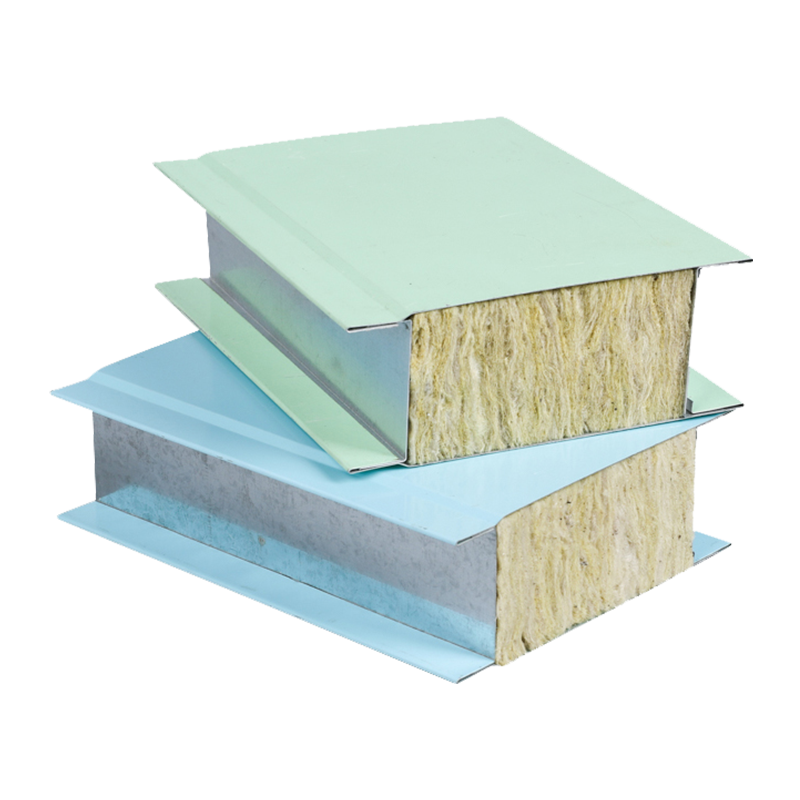
-
Kaisier Clean Technology Announces Official Operation of New Thailand Production Base, Enhancing Global Supply Chain Resilience
Jan, 30, 2026
Industry NewsZhejiang Kaisier Clean Technology Co., Ltd., a leading provider of high-performance cleanroom solutions, is proud to announce the official commencement of opera... -
Kaiser Unveils Next-Gen Antimicrobial Clean Panel Series, Setting New Benchmark for Healthcare & High-Tech Facilities
Jan, 30, 2026
Industry NewsInnovating at the intersection of safety and purity, Zhejiang Kaiser Clean Technology Co., Ltd. has launched its next-generation clean panel series, engineered ... -
Kaisier Clean Technology Showcases Total Cleanroom Solutions at SEMICON Southeast Asia 2024, Highlighting “One-Stop Service” Model
Jan, 30, 2026
Industry NewsZhejiang Kaisier Clean Technology Co., Ltd., together with its Thai subsidiary, successfully participated as an exhibitor at SEMICON Southeast Asia 2024, one of... -
A Complete Guide to Cleanroom System Selection
Apr, 22, 2026
Industry NewsHow to Choose a Cleanroom System? The core of selecting a cleanroom system lies in the "Three-Step Lock Method" — first, determine the cleanliness level based o...
Steel Structure Framework Supplier
Product Categories
About Kaisier
Kaisier Cleans the Globe Tech Empowers Tomorrow
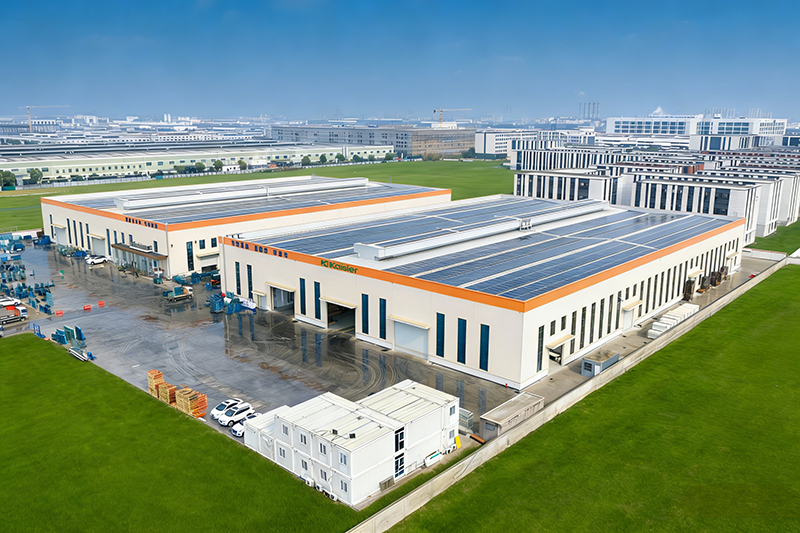
Zhejiang Kaisier Clean Technology Co.,Ltd. upholding the brand mission of "Kaisier Cleans the Globe, Tech Empowers Tomorrow", Zhejiang Kaisier Clean Technology Co., Ltd. and its Thai subsidiary are a technology-driven enterprise in the clean industry with a global layout. The company has built four modern production bases in China and Thailand, forming a "domestic coordination + international radiation" capacity network equipped with intelligent production lines and precision testing equipment to ensure stable and efficient supply.
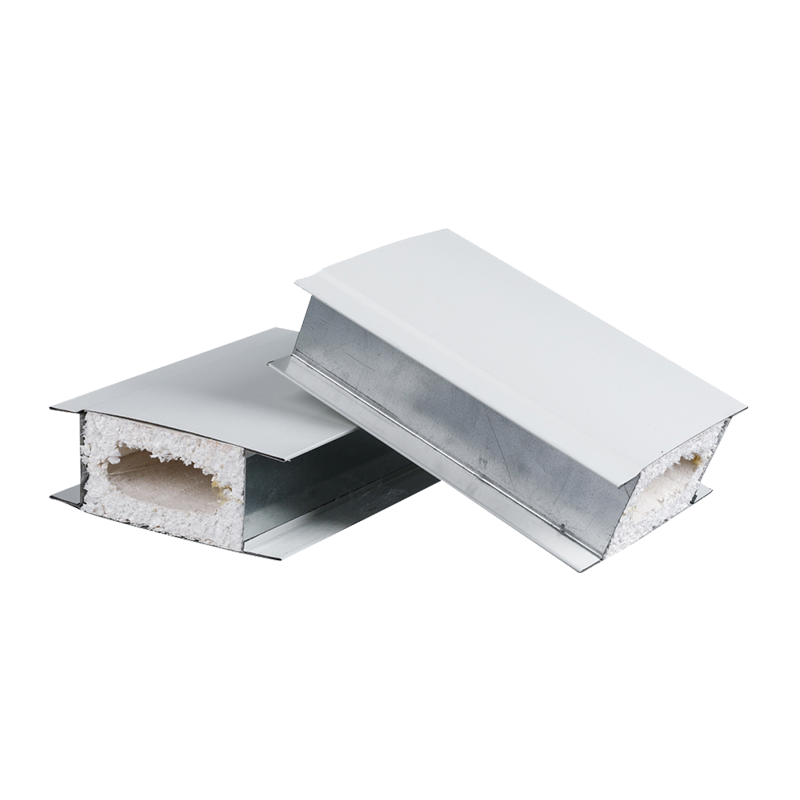
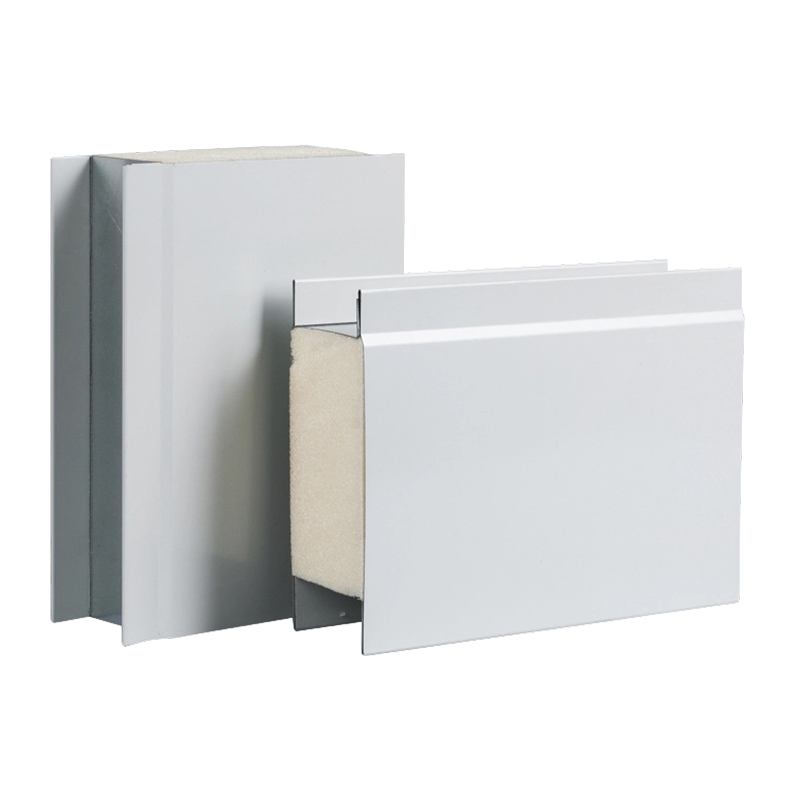
We are a China Custom Steel Structure System Factory and OEM Steel Structure Framework Supplier, specialize in R&D, production and sales of a full range of clean panels, including color steel sandwich panels, rock wool clean panels and magnesium oxide clean panels, which can meet the stringent requirements of Class 100 to Class 300,000 air purification projects. Our products lead the world in fire resistance, antibacterial and antistatic performance, and are widely applied in high-end fields such as healthcare, electronics and food industries, providing one-stop services from solution design to after-sales support. With technological innovation as the core and the philosophy of "precision engineering for ultimate cleanliness", we are committed to delivering safe and reliable clean space solutions for global customers.
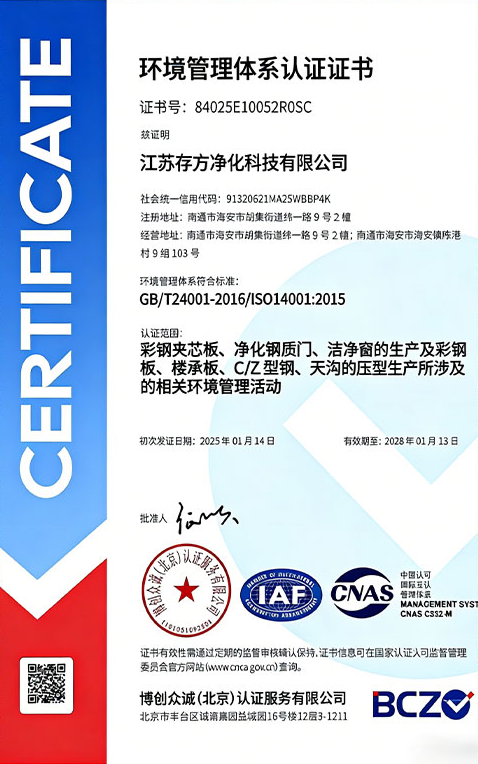
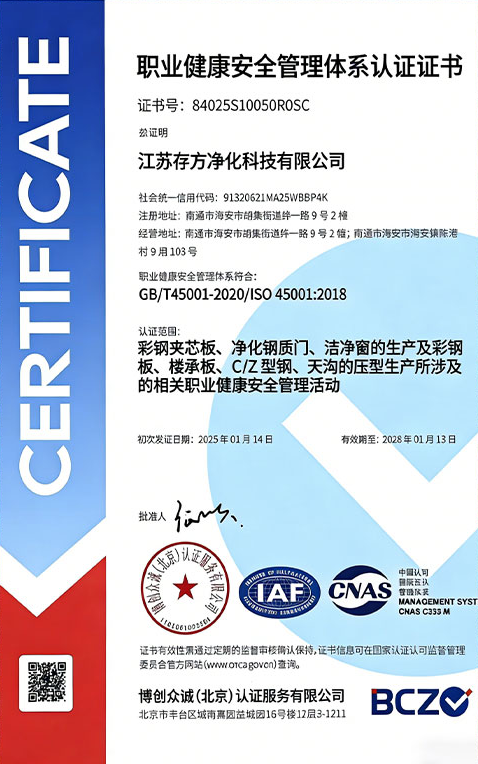
Certificate Of Honor
Our Latest News
Message Feedback
Steel structure system Industry knowledge
A steel structure framework is a load-bearing skeleton composed of steel columns, beams, trusses, and bracing members that work together to transfer vertical and horizontal loads safely to the foundation. Compared to traditional concrete construction, steel frameworks deliver 30–50% faster construction timelines, a superior strength-to-weight ratio, and a service life of 50–70 years with proper maintenance [^86^]. These attributes make steel the dominant material for factories, warehouses, logistics centers, and large-span industrial facilities worldwide.
For enterprises such as Zhejiang Kaisier Clean Technology Co., Ltd.—a China custom steel structure system factory and OEM supplier—steel frameworks form the backbone of cleanroom panel manufacturing facilities. Their production bases in China and Thailand rely on precision-engineered steel frameworks to house intelligent production lines, ensuring stable supply chains for Class 100 to Class 300,000 air purification projects across healthcare, electronics, and food industries.
Four Primary Types of Steel Structure Frameworks
Steel frameworks are not one-size-fits-all. The selection depends on span requirements, load profiles, and architectural constraints. The four dominant types are:
Portal Rigid Frame
The portal rigid frame is the most widely used system in industrial construction. It consists of columns and rafters rigidly connected at the joints, creating a "clear span" with no internal columns. This design is ideal for warehouses, aircraft hangars, and production facilities where unobstructed floor space is critical. Portal frames typically use hot-rolled steel sections and can achieve spans of 20–50 meters economically [^89^]. Shorter spans allow heavier load-bearing capacity because stress on beams and columns is reduced.
Steel Building Frame Structure
This basic framework of steel beams and columns offers near-infinite layout flexibility. It is commonly used in multi-unit buildings such as office complexes, apartment towers, and high-rises where adaptability is paramount [^90^]. The system excels in distributing loads across multiple floors and can be combined with concrete cores for hybrid performance.
Truss Structure
Trusses are triangular frameworks of steel members that use far less material than solid web beams while achieving greater rigidity. Plane trusses handle two-dimensional loads, while space trusses distribute forces across three dimensions. A well-designed space frame can cover very large areas with minimal internal supports, making it suitable for sports arenas, exhibition halls, and airport terminals [^84^].
Grid (Space Frame) Structure
Grid structures are high-order statically indeterminate space structures composed of many interconnected rods. They are lightweight, highly rigid, and offer excellent seismic resistance. These frameworks are frequently employed in gymnasiums, canopies, and hangars where large spans and complex geometries are required [^89^].
| Framework Type | Typical Span | Primary Application | Key Advantage | Steel Section Type |
|---|---|---|---|---|
| Portal Rigid Frame | 20–50 m | Warehouses, factories | Clear span, no internal columns | Hot-rolled H/I sections |
| Building Frame | Variable | Offices, high-rises | Maximum layout flexibility | Wide-flange beams, columns |
| Truss Structure | 30–100+ m | Bridges, roofs, towers | Material efficiency, high rigidity | Angle sections, hollow tubes |
| Grid/Space Frame | 40–200 m | Stadiums, hangars | 3D load distribution | Hollow circular tubes |
Material Specifications and Component Standards
The performance of a steel framework is determined by the grade of steel, section geometry, and protective treatments. Understanding these specifications is essential for procurement and quality control.
Steel Grades and Mechanical Properties
Primary structural steel commonly uses Q235, Q345, or ASTM A36/A572 grades. Q345 steel offers a yield strength of 345 MPa, approximately 45% higher than Q235, making it the preferred choice for heavy-load industrial frameworks. For corrosive environments such as coastal cleanroom facilities, SUS304 or hot-dip galvanized steel (zinc coating ≥80 μm) is specified to prevent rust degradation [^83^].
Primary Components
A complete steel framework consists of four essential load-transferring elements:
- Columns: Vertical members that transfer loads from beams and slabs to the foundation. Common sections include H-beams and box columns.
- Beams: Horizontal members spanning between columns. I-sections and welded composite beams are standard for spans exceeding 12 meters.
- Bracing: Diagonal or cross members that resist lateral forces from wind and seismic loads. Rod bracing and portal bracing are typical configurations.
- Connection Nodes: Bolted or welded joints that ensure rigid or hinged behavior. High-strength friction-grip bolts (Grade 10.9) are standard for portal frame connections [^83^].
Surface Treatment and Fire Protection
Steel frameworks require protective coatings to ensure longevity. Standard treatment includes shot blasting to Sa2.5 grade, followed by an epoxy zinc-rich primer (60–80 μm), an epoxy intermediate coat (100–120 μm), and a polyurethane topcoat (40–60 μm). For fire resistance, intumescent coatings or sprayed mineral wool can provide 1–3 hours of fire rating depending on coating thickness and steel section factor [^83^].
Pre-Engineered Building (PEB) Workflow and Timeline
Pre-engineered steel frameworks represent the most advanced delivery model in industrial construction. Components are designed, cut, drilled, and welded in a factory, then shipped to site for rapid assembly. This approach dramatically compresses project schedules.
| Phase | Duration | Key Deliverables |
|---|---|---|
| Engineering & Drawings | 3–6 weeks | Structural calculations, fabrication drawings |
| Factory Fabrication | 6–12 weeks | Cut, welded, drilled components with QA/QC |
| Shipping & Clearance | 2–5 weeks | Containerized transport, customs clearance |
| Site Erection | 4–8 weeks | Bolting, welding, alignment, inspection |
| Total Timeline | 16–24 weeks | Ready for interior fit-out |
This timeline compares favorably to conventional concrete construction, which typically requires 9–18 months for an equivalent facility. Site preparation and foundation work run concurrently with factory fabrication, further compressing the schedule [^87^].
Cost Structure and Economic Analysis
Understanding the cost drivers of steel frameworks enables better budgeting and supplier negotiation. Costs vary significantly based on complexity, finish, and geographic location.
Unit Cost Benchmarks
For a basic single-span industrial building, supply-only costs typically range from USD 80–150 per m² (ex-works). Fully insulated buildings with crane systems and architectural finishes can reach USD 200–400+ per m². Erection, foundations, and civil works are additional [^87^]. These figures assume standard wind zones; typhoon or cyclone-prone regions require heavier sections and may increase costs by 15–25%.
Lifecycle Cost Advantages
While initial material costs may exceed concrete or timber, steel frameworks deliver superior lifecycle economics:
- Foundation savings: Steel's lighter weight reduces foundation volume and reinforcement by 20–30%.
- Maintenance reduction: Steel is immune to termites, rot, and mold. Annual maintenance costs are typically 40–60% lower than wood-framed structures [^86^].
- Expansion flexibility: Adding bays to an existing portal frame requires minimal disruption and no foundation work for the new section.
- Residual value: Steel is 100% recyclable. At end-of-life, recovery rates for structural steel exceed 98%, offsetting demolition costs [^89^].
Industry Applications and Compliance Standards
Steel structure frameworks serve diverse sectors, each imposing unique load and regulatory requirements. Proper framework design must align with international codes and sector-specific standards.
Industrial and Manufacturing Facilities
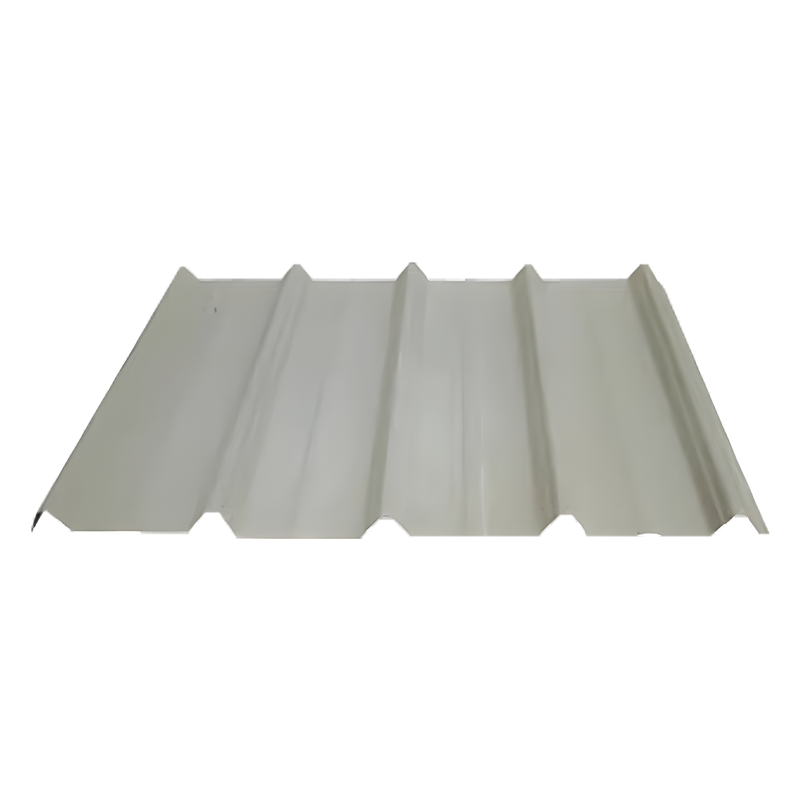
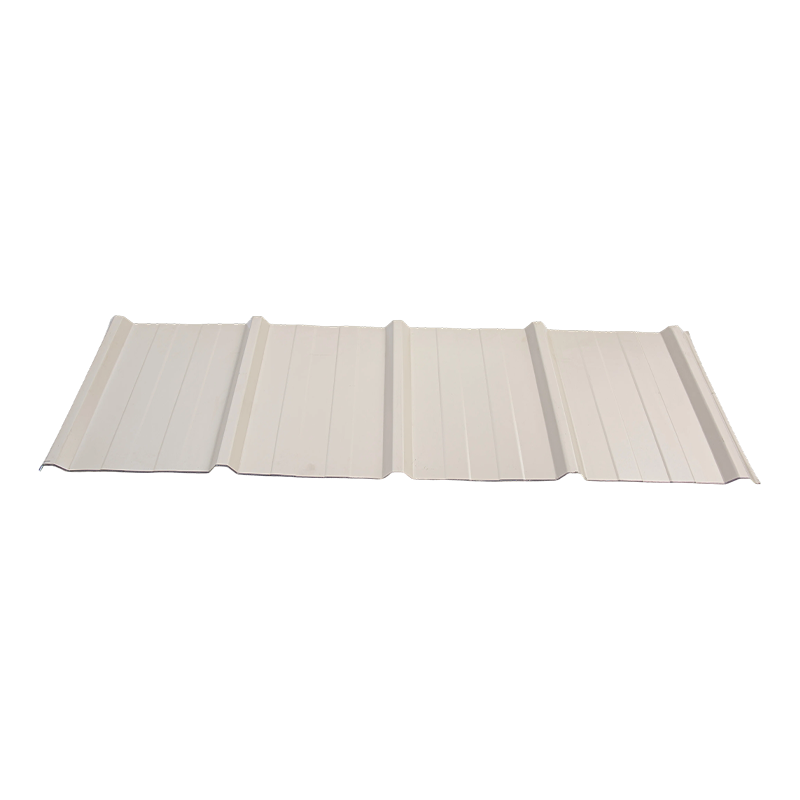
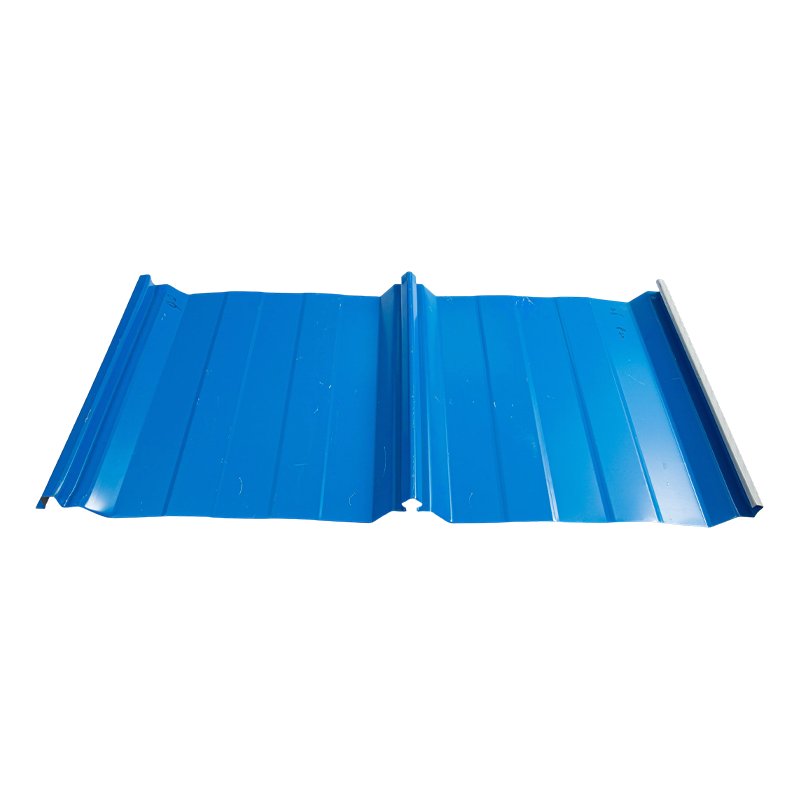
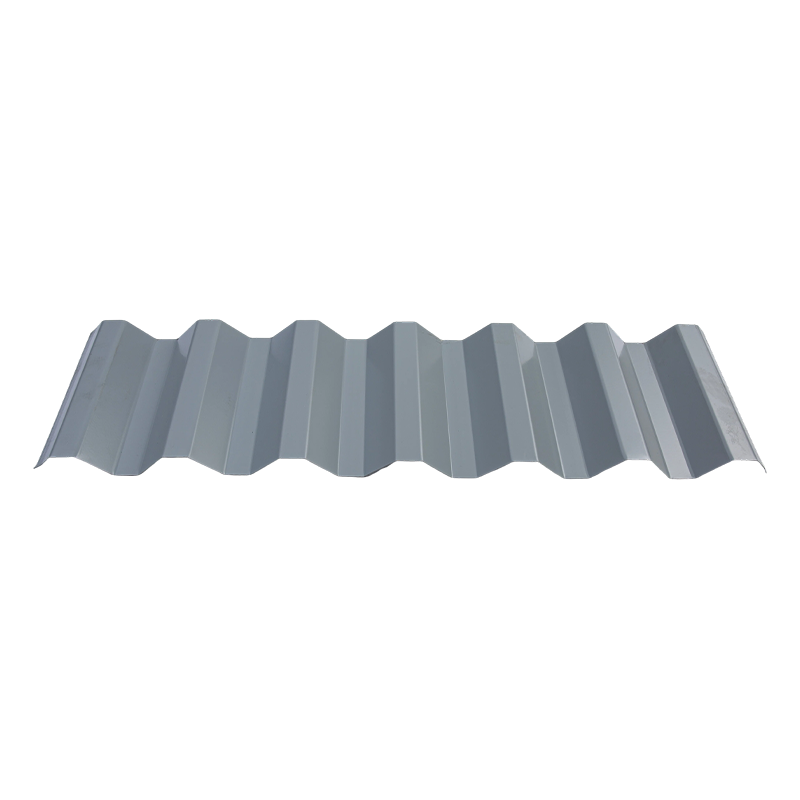
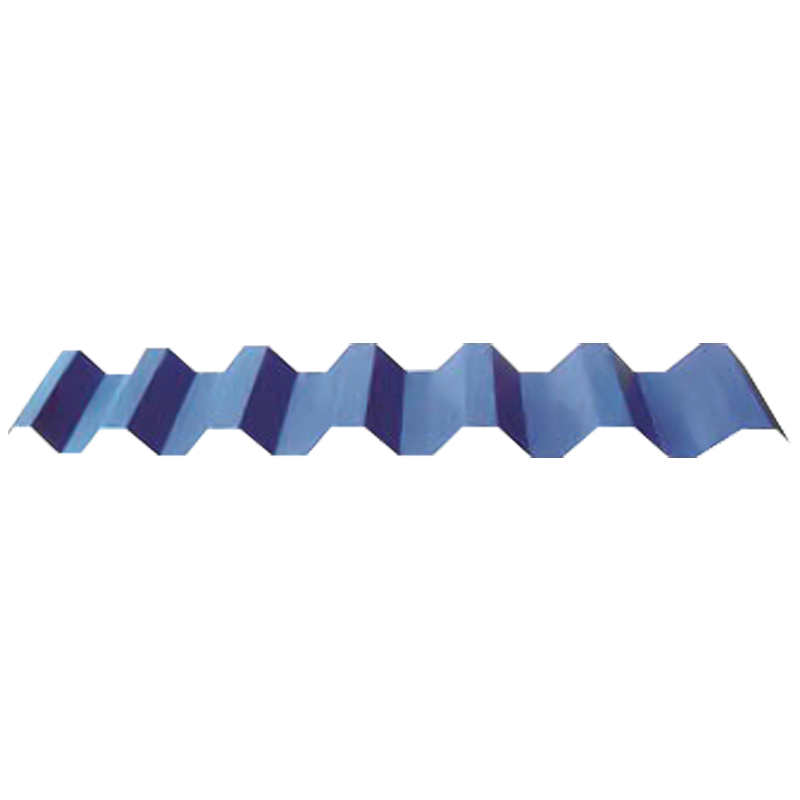
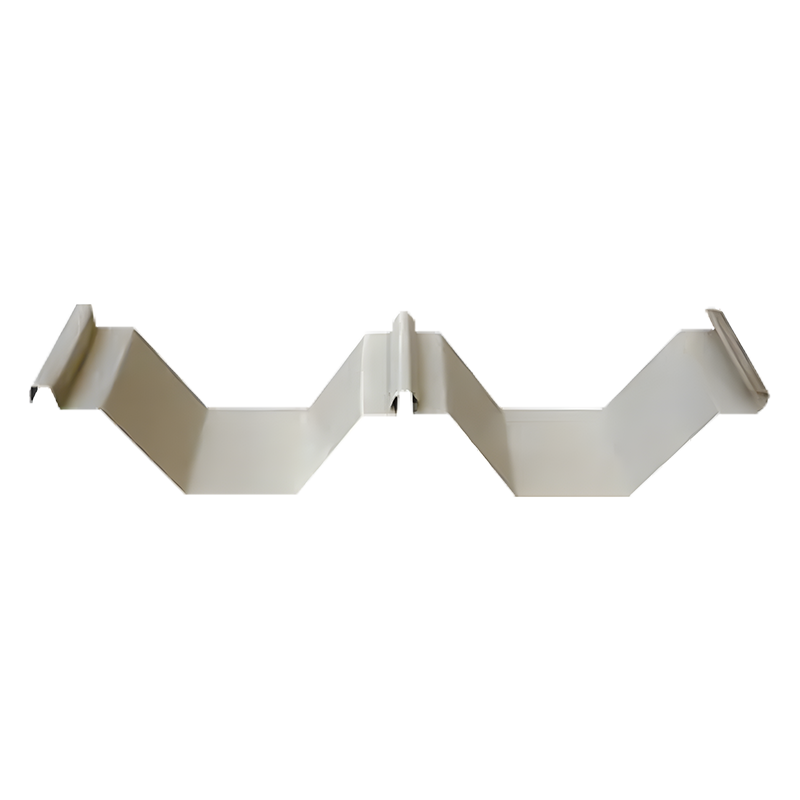
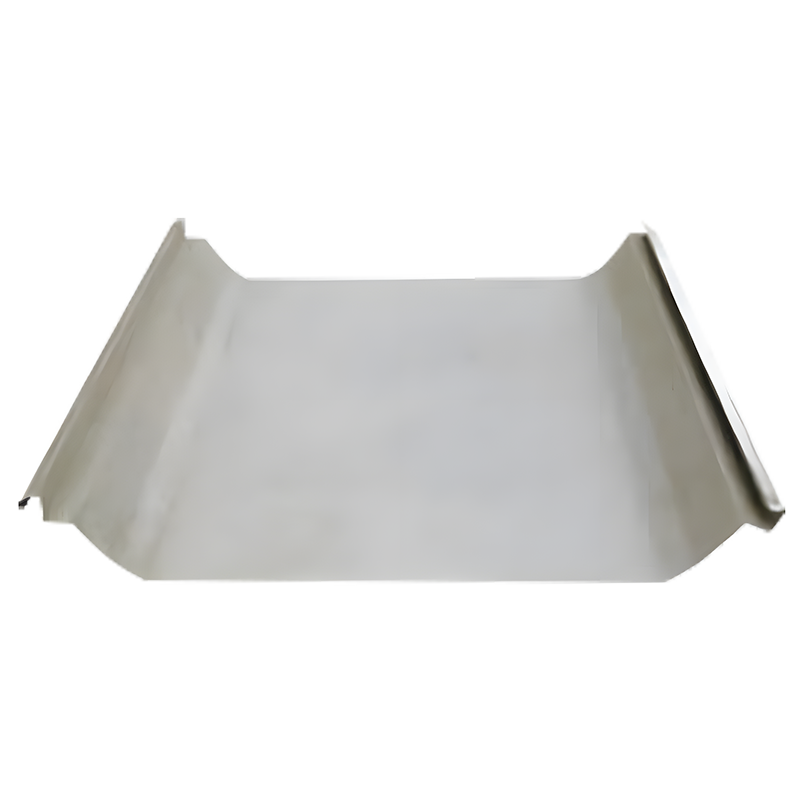
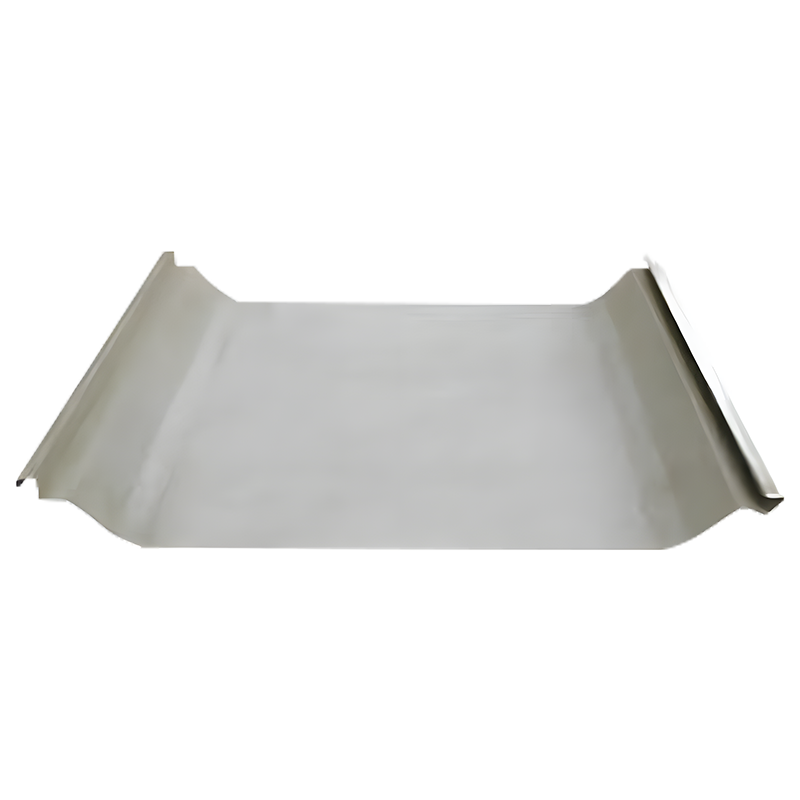
Factories and workshops require frameworks capable of supporting heavy machinery, overhead cranes, and high live loads. Portal rigid frames with crane beams (capacity 5–50 tons) are standard. Floor loads in heavy manufacturing can reach 10–20 kN/m², necessitating composite steel-concrete floor decks such as the YX 32-130-780 composite floor deck profile shown in product catalogs [^85^].
Warehousing and Logistics
Modern logistics centers demand high clear heights (typically 8–12 meters) to accommodate automated racking systems. Steel frameworks enable these vertical volumes while supporting mezzanine floors for office or sorting areas. The open-span design facilitates efficient material handling and future layout reconfiguration [^88^].
Cleanroom and High-Tech Manufacturing
For cleanroom panel manufacturers like Kaisier, steel frameworks must meet stringent requirements. The structure must support HVAC ducting, filtration plenums, and suspended ceiling grids while maintaining vibration isolation. Framework deflection limits are typically restricted to L/360 or L/400 (where L is span length) to prevent seal failure in cleanroom envelopes. Fire resistance ratings of 1–2 hours are mandatory for pharmaceutical and electronics facilities.
Design Code Compliance
Steel frameworks must be engineered to recognized international standards. Common design codes include:
- ASCE 7 (USA): Minimum design loads for buildings and other structures.
- Eurocode 3 (EN 1993): Design of steel structures, widely adopted in Europe and Asia.
- AS/NZS 1170: Structural design actions for Australian and New Zealand projects.
- GB 50017: Chinese standard for steel structure design, mandatory for domestic projects [^87^].
Quality Control and Installation Best Practices
The integrity of a steel framework depends as much on installation precision as on design quality. The following practices ensure structural performance and safety.
Fabrication Quality Control
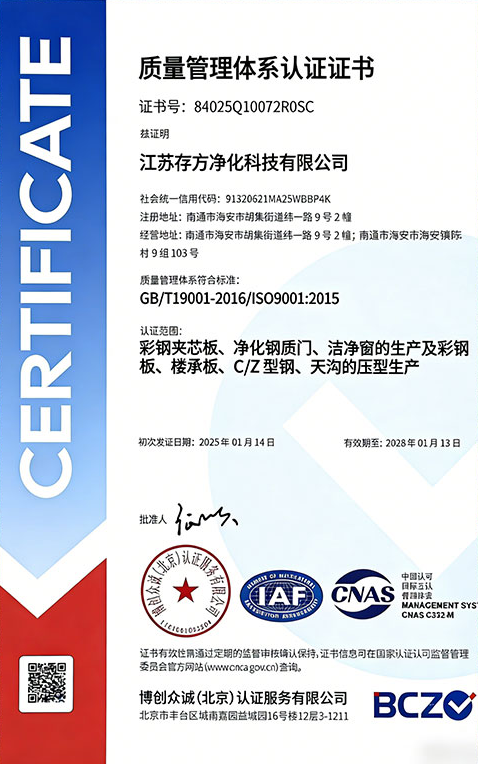
Factory fabrication must adhere to ISO 9001 quality management systems. Key inspection points include:
- Dimensional tolerance of cut lengths: ±2 mm for beams, ±1 mm for bolt holes.
- Weld quality inspection: 100% visual inspection plus 20–30% ultrasonic or radiographic testing for critical connections.
- Zinc coating thickness verification: minimum 80 μm for hot-dip galvanized members in corrosive environments.
Site Erection Protocols
On-site assembly requires strict sequencing and alignment checks:
- Foundation verification: Anchor bolt positions must be checked against drawings before column placement. Tolerance for bolt group centering is ±5 mm.
- Column erection: Columns are lifted, placed over anchor bolts, and temporarily braced. Verticality is checked with a theodolite; allowable deviation is H/1000 (where H is column height), maximum 25 mm.
- Beam installation: Beams are bolted to column end-plates using high-strength bolts torqued to specification. Splice connections in multi-span beams must be staggered by at least 1 meter.
- Bracing installation: Roof and wall bracing are installed to provide lateral stability before purlin and girt attachment.
- Final inspection: A comprehensive survey confirms alignment, bolt torque, and weld integrity. Load testing may be performed for crane beams [^84^].
Neglecting these protocols can lead to misalignment, connection failure, or excessive deflection—compromising both safety and the service life of the framework. For OEM steel structure framework suppliers, maintaining rigorous QC across multiple production bases (as practiced by Kaisier with facilities in China and Thailand) is essential to ensure consistent product quality for global distribution.

- E-Mail: [email protected]
- Tel: +86 18968239620
- Address: Room No.905, He Yuan Mansion, No. 382, Tianda Lane, Ningbo Southern Business District, Yinzhou Ningbo China
Quick Links
Contact Us
? Copyright Zhejiang Kaisier Clean Technology Co.,Ltd.
All Rights Reserved.
 Custom Steel Structure System Factory
OEM Steel Structure Framework Supplier
Custom Steel Structure System Factory
OEM Steel Structure Framework Supplier
-
+86 18968239620
-
-
