

 en
en
 English
 русский
 Español
 عربى
عربى ไทย
ไทย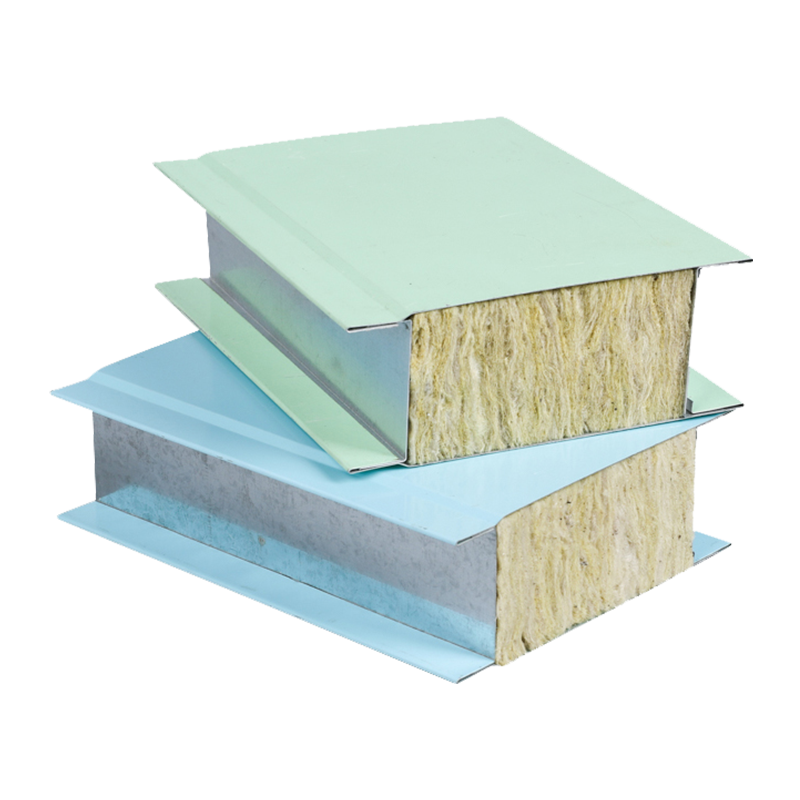
-
Kaisier Clean Technology Announces Official Operation of New Thailand Production Base, Enhancing Global Supply Chain Resilience
Jan, 30, 2026
Industry NewsZhejiang Kaisier Clean Technology Co., Ltd., a leading provider of high-performance cleanroom solutions, is proud to announce the official commencement of operations at its state-of-the-art production base in Thailand, u... -
Kaiser Unveils Next-Gen Antimicrobial Clean Panel Series, Setting New Benchmark for Healthcare & High-Tech Facilities
Jan, 30, 2026
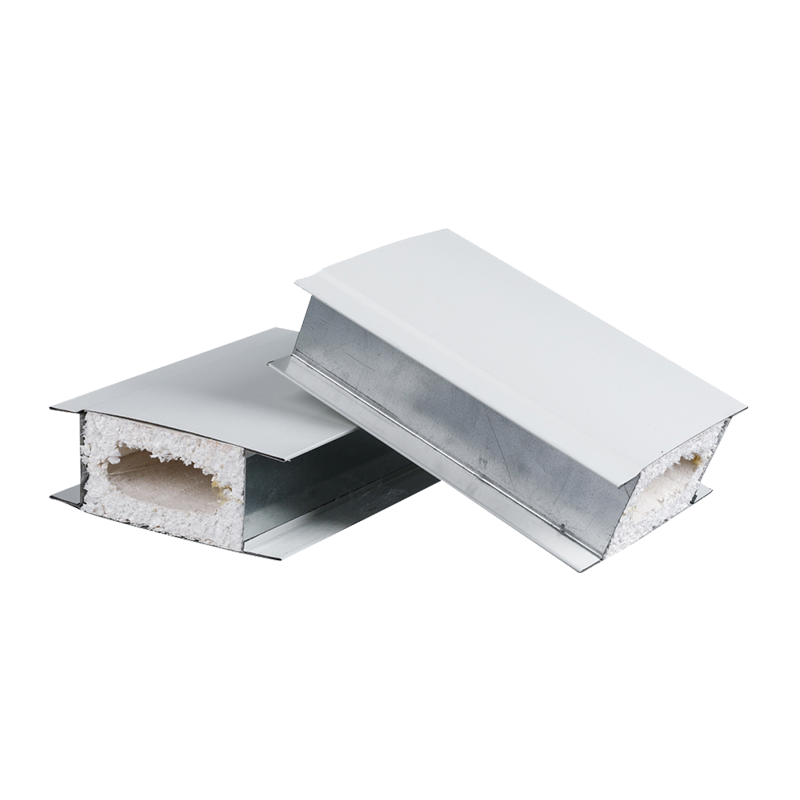
Industry NewsInnovating at the intersection of safety and purity, Zhejiang Kaiser Clean Technology Co., Ltd. has launched its next-generation clean panel series, engineered with proprietary advanced surface treatment technology. This... -
Kaisier Clean Technology Showcases Total Cleanroom Solutions at SEMICON Southeast Asia 2024, Highlighting “One-Stop Service” Model
Jan, 30, 2026
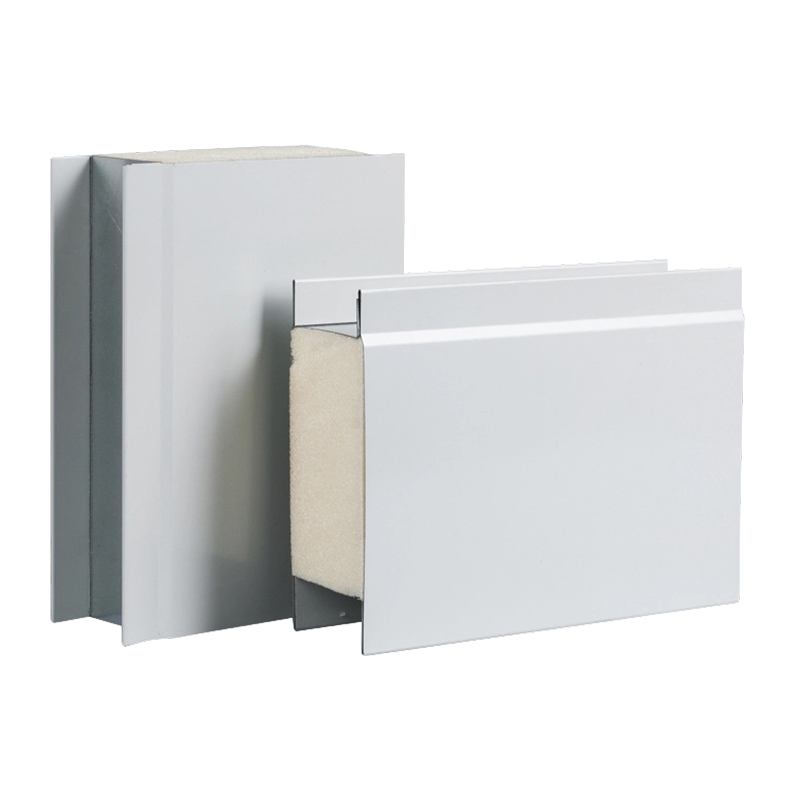
Industry NewsZhejiang Kaisier Clean Technology Co., Ltd., together with its Thai subsidiary, successfully participated as an exhibitor at SEMICON Southeast Asia 2024, one of the region’s premier events for the microelectronics manufa...
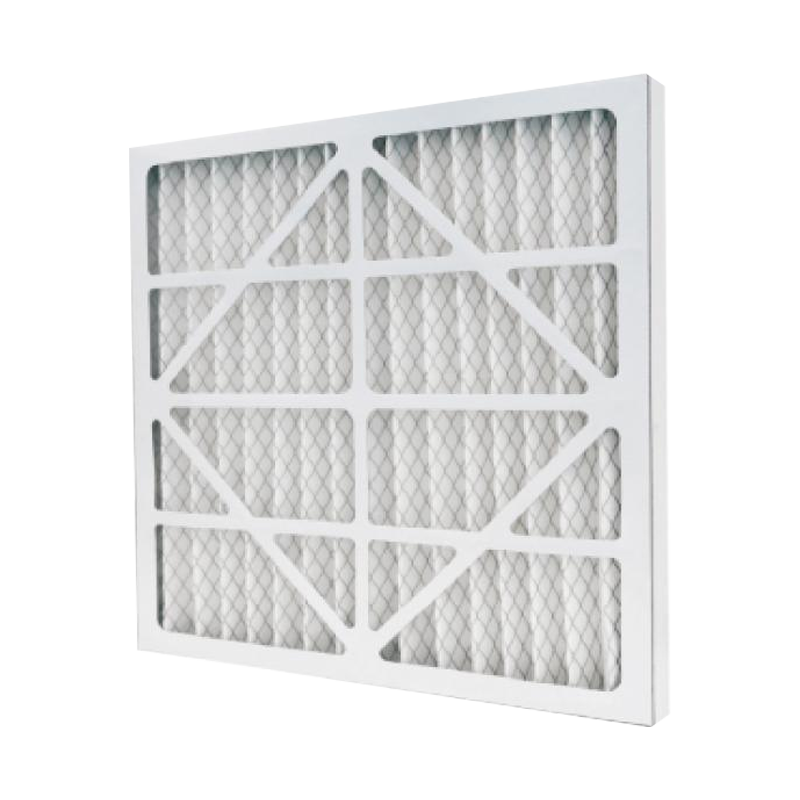
FFU Replacement Filter Manufacturer
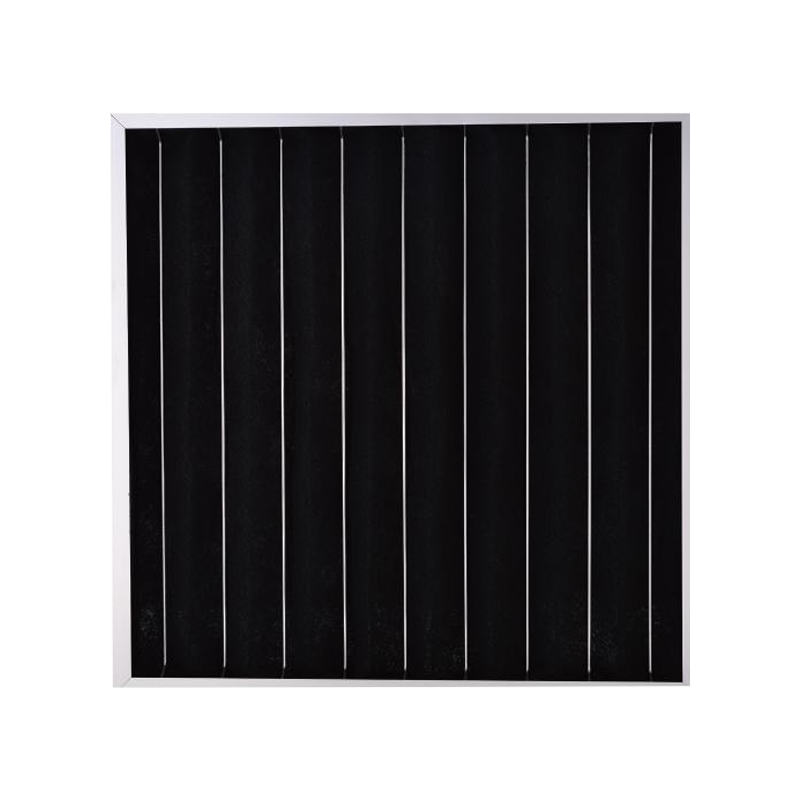
A cleanroom air filter is a device that removes solid particles, liquid impurities, or gaseous pollutants from air or fluids through physical or chemical methods. Based on their function and structure, filters can be classified into various types and are widely used in numerous industries, such as chemical, pharmaceutical, military, aerospace, and general commercial and industrial sectors. Filters are characterized by their strong adsorption capacity, light weight, and ease of installation, providing crucial protection for maintaining a clean environment and ensuring the safe operation of equipment.
Product Categories
About Kaisier
Kaisier Cleans the Globe Tech Empowers Tomorrow
Zhejiang Kaisier Clean Technology Co.,Ltd. upholding the brand mission of "Kaisier Cleans the Globe, Tech Empowers Tomorrow", Zhejiang Kaisier Clean Technology Co., Ltd. and its Thai subsidiary are a technology-driven enterprise in the clean industry with a global layout. The company has built four modern production bases in China and Thailand, forming a "domestic coordination + international radiation" capacity network equipped with intelligent production lines and precision testing equipment to ensure stable and efficient supply.
We are a China OEM/ODM FFU Replacement Filter Company and FFU Replacement Filter Manufacturer, specialize in R&D, production and sales of a full range of clean panels, including color steel sandwich panels, rock wool clean panels and magnesium oxide clean panels, which can meet the stringent requirements of Class 100 to Class 300,000 air purification projects. Our products lead the world in fire resistance, antibacterial and antistatic performance, and are widely applied in high-end fields such as healthcare, electronics and food industries, providing one-stop services from solution design to after-sales support. With technological innovation as the core and the philosophy of "precision engineering for ultimate cleanliness", we are committed to delivering safe and reliable clean space solutions for global customers.

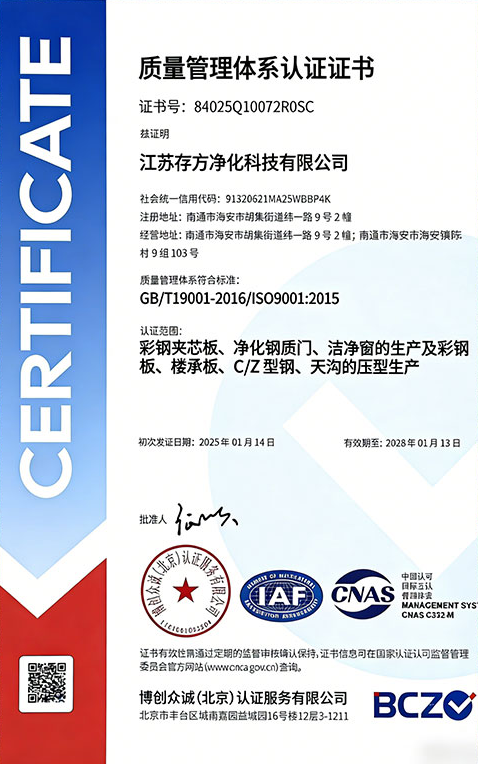
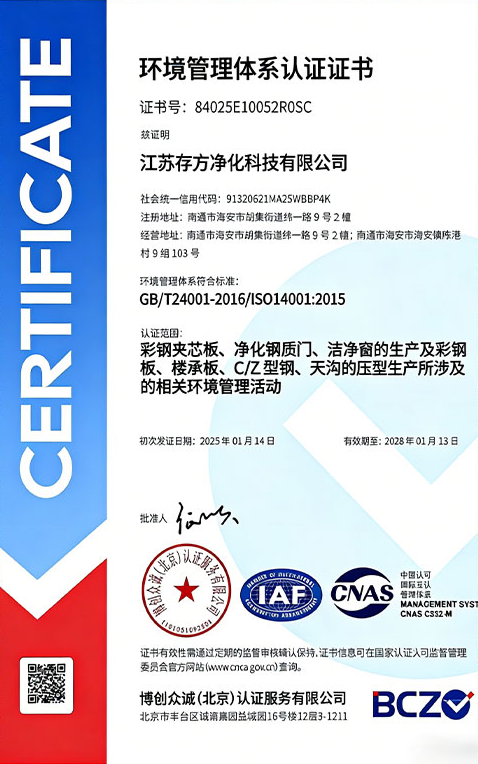
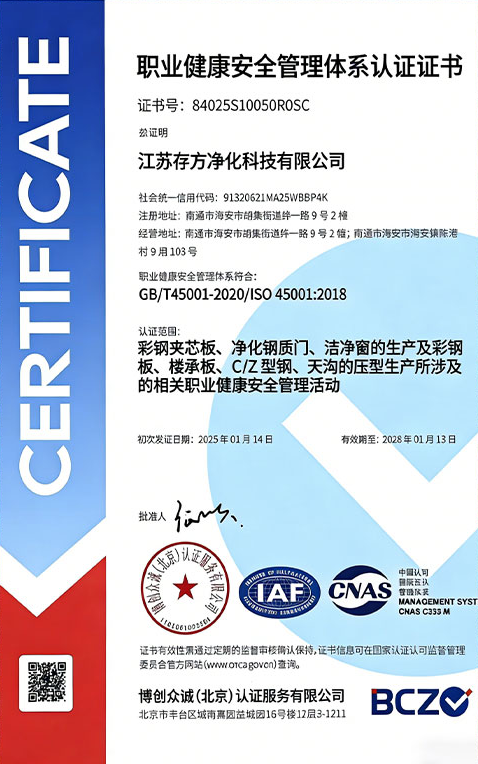
Certificate Of Honor
Our Latest News
Message Feedback
Cleanroom Air Filter Industry knowledge
In cleanroom operations and maintenance, replacing the HEPA/ULPA filter in an FFU (Fan Filter Unit) is one of the most common and critical tasks. The clear conclusion is: When filter resistance reaches 1.5-2 times the initial resistance, or PAO leak testing reveals leakage, or cumulative operating time exceeds the recommended service life (typically 3-5 years for H13/H14), the filter must be replaced immediately. Selecting high-quality replacement filters that match the original FFU housing (same grade or upgraded to H14/U15) restores cleanliness, reduces fan energy consumption by 20-30%, and prevents major contamination incidents caused by filter failure. The following provides in-depth technical reference from five dimensions: replacement timing criteria, filter grade selection, dimensional compatibility, installation procedures, and acceptance standards.
Replacement Timing Criteria: Four Key Indicators
Accurately determining when to replace filters is central to cleanroom preventive maintenance. The following are four key judgment indicators:
| Indicator | Normal Range | Replacement Threshold | Detection Method |
|---|---|---|---|
| Initial Resistance (Pa) - H13/H14 | 180-280 | 1.5-2x initial value (e.g., 200Pa → 350Pa) | Differential pressure gauge/sensor |
| Downstream Cleanliness | No significant particle count increase | ≥0.5μm particle concentration exceeds limit | Online/offline particle counter |
| PAO/DOP Leak Test | Penetration ≤0.01% (H14) | Exceedance at any point or leak peak detected | Aerosol photometer/particle counter scan |
| Cumulative Operating Time | H13/H14 design life 3-5 years | Operating time exceeds manufacturer recommendation | BMS or operation log records |
Replacement Filter Grade Selection: Choosing Between H13, H14, and U15
The grade of replacement filter should match or be upgraded according to the cleanroom cleanliness class requirements. A selection guide is shown below:
| Cleanroom Class | Recommended Filter Grade | Efficiency (@0.3μm) | Typical Initial Resistance (Pa) | Upgrade Suggestion |
|---|---|---|---|---|
| ISO 7-8 (Class 10,000/100,000) | H13 | 99.97% | 180-220 | Upgradable to H14 for extra margin |
| ISO 6 (Class 1,000) | H14 | 99.995% | 220-280 | Do not downgrade; maintain H14 |
| ISO 5 (Class 100) | U15 or H14 | 99.9995% or 99.995% | 250-320 | Prioritize U15 for longer service life |
| ISO 4-5 (Class 10/100 advanced) | U15/U17 | 99.9995% - 99.999995% | 300-380 | Must use OEM-specified grade |
Dimensional and Seal Compatibility: Ensuring Fit with Original FFU Housing
Replacement filters must be fully compatible with the original FFU housing; otherwise, unfiltered air bypass will occur, causing a sharp decline in cleanliness. Key compatibility parameters are as follows:
- External dimensions: Common standard FFU filter sizes include 1170×570×69mm, 610×610×69mm, 1220×610×69mm, etc. Thickness is typically 69mm (low profile) or 90mm (high dust-holding capacity). Dimensional tolerance should be controlled within ±1.5mm; otherwise, proper installation in the housing frame is impossible;
- Sealing method: Gel seal is the preferred choice for high-grade cleanrooms, using gel-like compound to fill the gap between filter frame and housing, offering superior sealing compared to solid gaskets. Standard configuration is a gasket (PE/EVA/neoprene) with recommended compression of 25-30% of original thickness;
- Flange type: Common flange types include knife-edge flange (for gel seal) and flat flange (for gasket seal). The replacement must match the original housing flange type;
- Separator material: Aluminum separators (corrosion-resistant, high strength) are suitable for general cleanrooms; paper separators (lower cost) are suitable for low-humidity environments. In humid or corrosive gas environments, aluminum separators must be selected;
- Protective screen: The downstream face of the filter should have a metal protective screen (stainless steel or powder-coated carbon steel) to prevent media damage during transport and installation. Mesh size ≤5×5mm.
Recommendation: Before purchasing replacement filters, measure the physical dimensions of the old filter and verify against housing drawings. Ideally, provide an old filter sample or part number for 1:1 matching by the supplier. For non-standard or custom filters, request a dimensional inspection report from the supplier.
Installation Procedure: Ten-Step Standard Process
The installation procedure for FFU replacement filters directly affects sealing effectiveness and service life. The standard ten-step process is as follows:
- Preparation: Turn off and lock out FFU power (post warning sign); wear cleanroom suit, gloves, and mask; prepare clean wipes, isopropyl alcohol, and new filter (inspect upon unpacking);
- Remove old filter: Loosen retaining screws or clamps, carefully remove the old filter. Avoid impacting the housing interior or diffuser plate;
- Clean housing: Use clean wipes dampened with isopropyl alcohol to wipe housing interior walls, flange surfaces, and seal grooves. Remove dust and residual sealant. Wipe from inside out;
- Inspect sealing surfaces: Visually inspect flange surface for deformation, rust, or scratches. Repair if deformation exceeds 1mm;
- Install new filter: Gently place the new filter into the housing, ensuring correct orientation (airflow arrow pointing toward cleanroom). For gel seal, press down slowly and vertically until the knife edge is fully inserted into the gel; for gasket seal, ensure uniform compression;
- Secure filter: Evenly tighten retaining clamps or screws. Torque should not be excessive (recommended 2-4 N·m) to avoid flange deformation. Tighten in a diagonal alternating sequence;
- Reinstall diffuser: Install the diffuser plate or airflow distribution film, evenly tightening mounting screws;
- Power-on test: Restore power, start the FFU, check for abnormal fan noise, measure downstream face velocity (at least 5 points);
- PAO leak test: Use an aerosol generator and photometer/particle counter to scan the filter downstream face and frame seals. Any penetration exceedance must be addressed or the filter replaced;
- Record keeping and labeling: Complete replacement log (date, operator, filter serial number, initial resistance value). Affix replacement date label to the new filter frame.
Operational prohibitions: Do not touch the filter media surface with bare hands; never replace filters while the FFU is running; never use damaged or moisture-exposed filters; do not use any lubricants during installation (unless specified by the manufacturer).
Post-Replacement Acceptance Standards: Ensuring Cleanliness Restoration
After replacement, the following acceptance tests must be performed for the replacement to be considered合格:
| Acceptance Item | Acceptance Criteria | Test Equipment | Non-conformance Action |
|---|---|---|---|
| Velocity & Uniformity | Within ±15% of rated velocity, uniformity deviation ≤20% | Hot-bulb/Vane anemometer | Adjust fan speed or check for airflow obstruction |
| PAO Leak Test | Penetration ≤0.01% (H14) or ≤0.03% (H13) | Aerosol photometer/particle counter | Re-seal or replace filter |
| Initial Resistance Record | Recorded value within manufacturer specification | Differential pressure gauge/transmitter | Check gauge zero and connecting tubing |
| Noise & Vibration | Not exceeding pre-replacement levels or ≤58 dB(A) | Sound level meter | Check fan impeller balance and retaining screws |
Procurement Recommendations: Five Key Criteria for Selecting Quality Replacement Filters
The market offers many brands of FFU replacement filters with varying quality. The following are five criteria for evaluating high-quality filters:
- Filter media material: High-quality microfine glass fiber media (imported brands such as HV, Whatman, Lydall) offer stable efficiency, low resistance, and high mechanical strength; inferior media exhibits rapid efficiency decay and may rupture in service;
- Factory test report: Each filter should be accompanied by an individual scan test report indicating efficiency, resistance, and maximum leak point location (compliant with EN 1822 or IEST standards);
- Sealant quality: The sealant between the filter media and frame should be polyurethane or epoxy resin, uniform in color, free of bubbles and cracks. No leakage through the seal at 50Pa differential pressure;
- Frame material and precision: Frame flatness ≤1mm, diagonal difference ≤2mm. Aluminum alloy frames (6063-T5) are superior to galvanized steel for corrosion resistance;
- Brand and warranty: Choose brands with cleanroom industry certifications (e.g., ISO 9001, FM, UL). Warranty period is typically 1-2 years, covering efficiency, resistance, and structural integrity.
It is recommended to work with the original FFU manufacturer or a reputable specialized filter manufacturer, avoiding unbranded or uncertified products. For bulk purchases, request samples for third-party testing and validation.

- E-Mail: [email protected]
- Tel: +86 18968239620
- Address: Room No.905, He Yuan Mansion, No. 382, Tianda Lane, Ningbo Southern Business District, Yinzhou Ningbo China
Quick Links
Contact Us
? Copyright Zhejiang Kaisier Clean Technology Co.,Ltd.
All Rights Reserved.
 OEM/ODM FFU Replacement Filter Company
FFU Replacement Filter Manufacturer
OEM/ODM FFU Replacement Filter Company
FFU Replacement Filter Manufacturer
-
+86 18968239620
-
-
