

 en
en
 English
 русский
 Español
 عربى
عربى ไทย
ไทย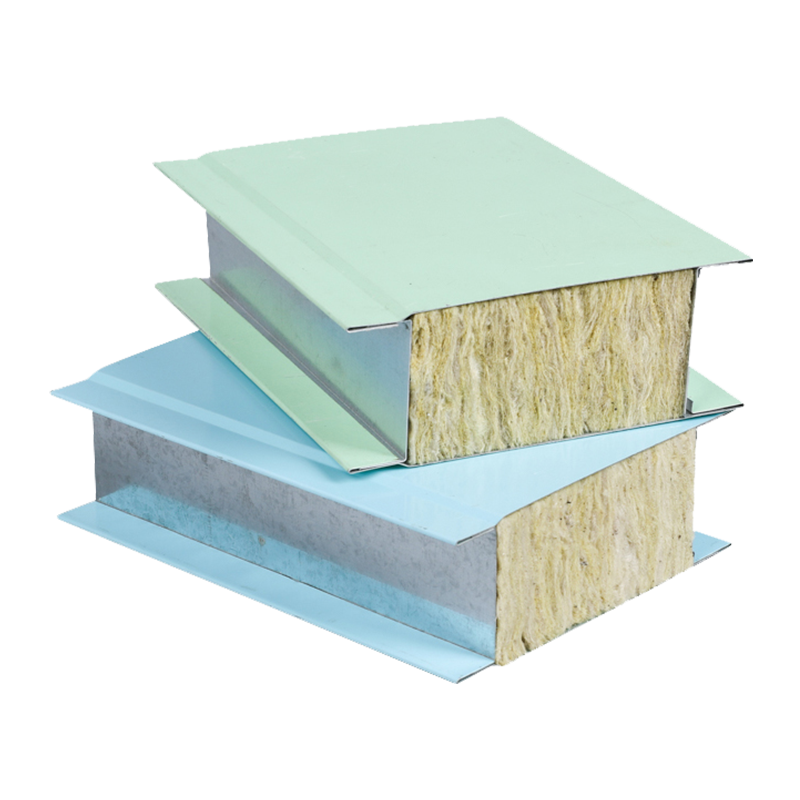
-
Kaisier Clean Technology Announces Official Operation of New Thailand Production Base, Enhancing Global Supply Chain Resilience
Jan, 30, 2026
Industry NewsZhejiang Kaisier Clean Technology Co., Ltd., a leading provider of high-performance cleanroom solutions, is proud to announce the official commencement of opera... -
Kaiser Unveils Next-Gen Antimicrobial Clean Panel Series, Setting New Benchmark for Healthcare & High-Tech Facilities
Jan, 30, 2026
Industry NewsInnovating at the intersection of safety and purity, Zhejiang Kaiser Clean Technology Co., Ltd. has launched its next-generation clean panel series, engineered ... -
Kaisier Clean Technology Showcases Total Cleanroom Solutions at SEMICON Southeast Asia 2024, Highlighting “One-Stop Service” Model
Jan, 30, 2026
Industry NewsZhejiang Kaisier Clean Technology Co., Ltd., together with its Thai subsidiary, successfully participated as an exhibitor at SEMICON Southeast Asia 2024, one of... -
A Complete Guide to Cleanroom System Selection
Apr, 22, 2026
Industry NewsHow to Choose a Cleanroom System? The core of selecting a cleanroom system lies in the "Three-Step Lock Method" — first, determine the cleanliness level based o...
Portable Temporary Container House Supplier
Product Categories
About Kaisier
Kaisier Cleans the Globe Tech Empowers Tomorrow
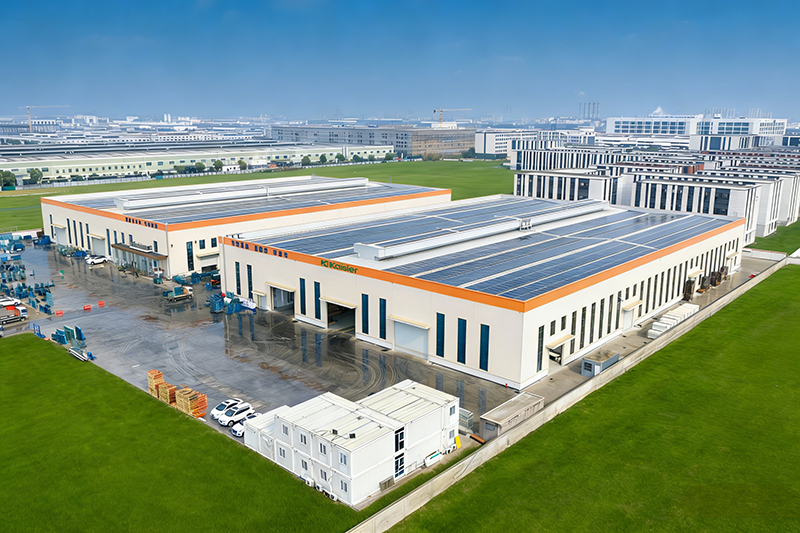
Zhejiang Kaisier Clean Technology Co.,Ltd. upholding the brand mission of "Kaisier Cleans the Globe, Tech Empowers Tomorrow", Zhejiang Kaisier Clean Technology Co., Ltd. and its Thai subsidiary are a technology-driven enterprise in the clean industry with a global layout. The company has built four modern production bases in China and Thailand, forming a "domestic coordination + international radiation" capacity network equipped with intelligent production lines and precision testing equipment to ensure stable and efficient supply.
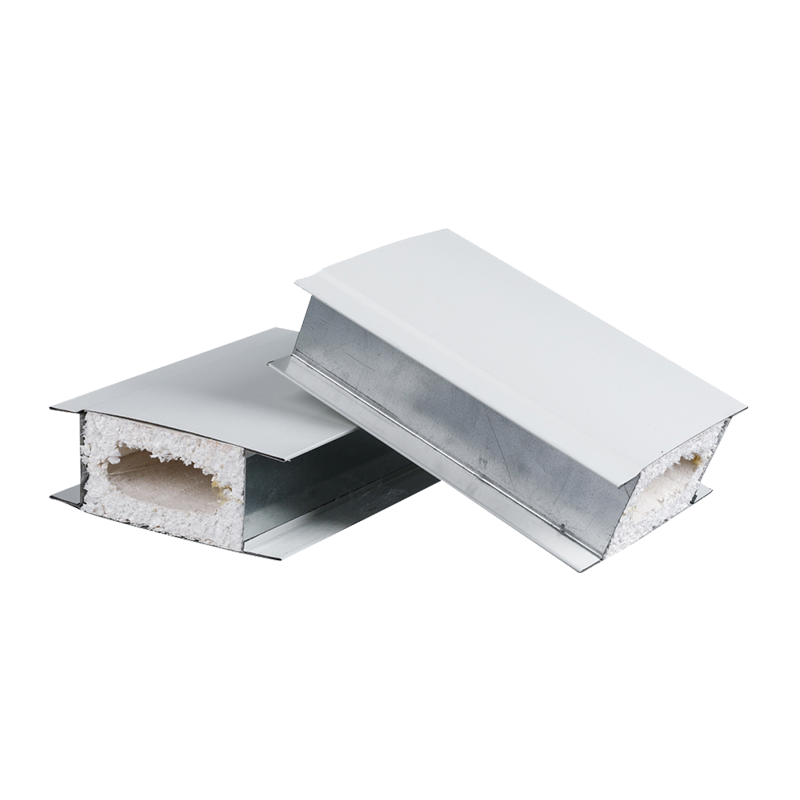
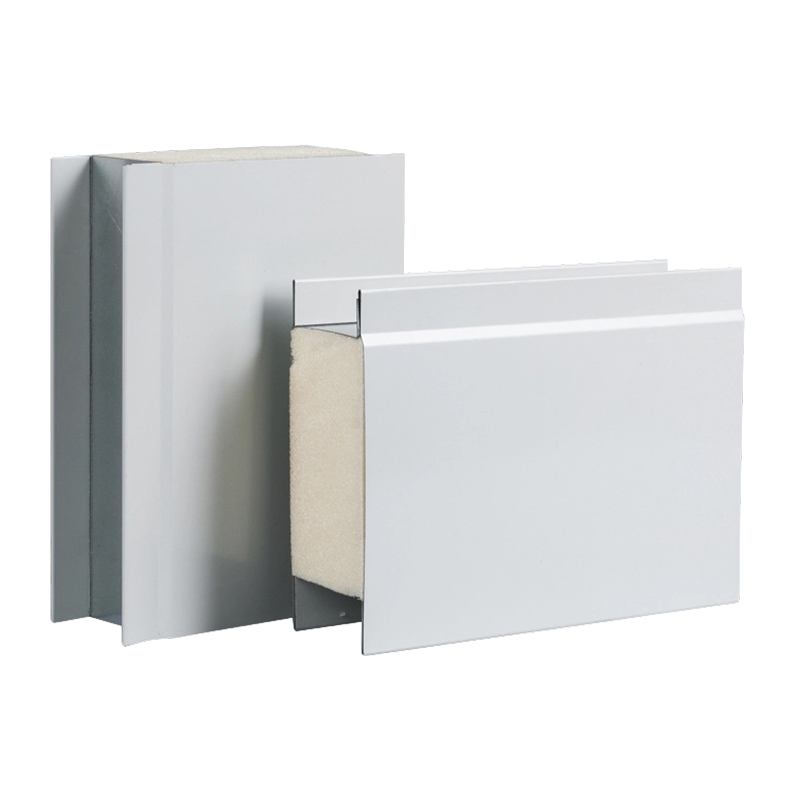
We are a China Custom Temporary Building Factory and OEM Portable Temporary Container House Supplier, specialize in R&D, production and sales of a full range of clean panels, including color steel sandwich panels, rock wool clean panels and magnesium oxide clean panels, which can meet the stringent requirements of Class 100 to Class 300,000 air purification projects. Our products lead the world in fire resistance, antibacterial and antistatic performance, and are widely applied in high-end fields such as healthcare, electronics and food industries, providing one-stop services from solution design to after-sales support. With technological innovation as the core and the philosophy of "precision engineering for ultimate cleanliness", we are committed to delivering safe and reliable clean space solutions for global customers.
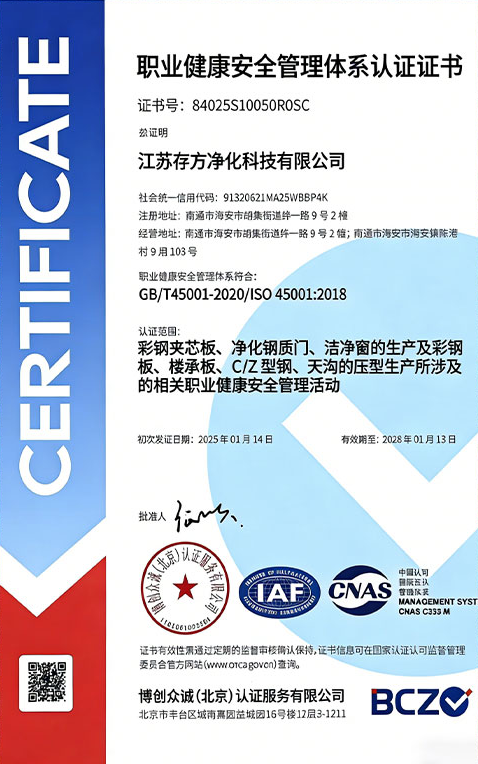
Certificate Of Honor
Our Latest News
Message Feedback
Temporary Building Systems Industry knowledge
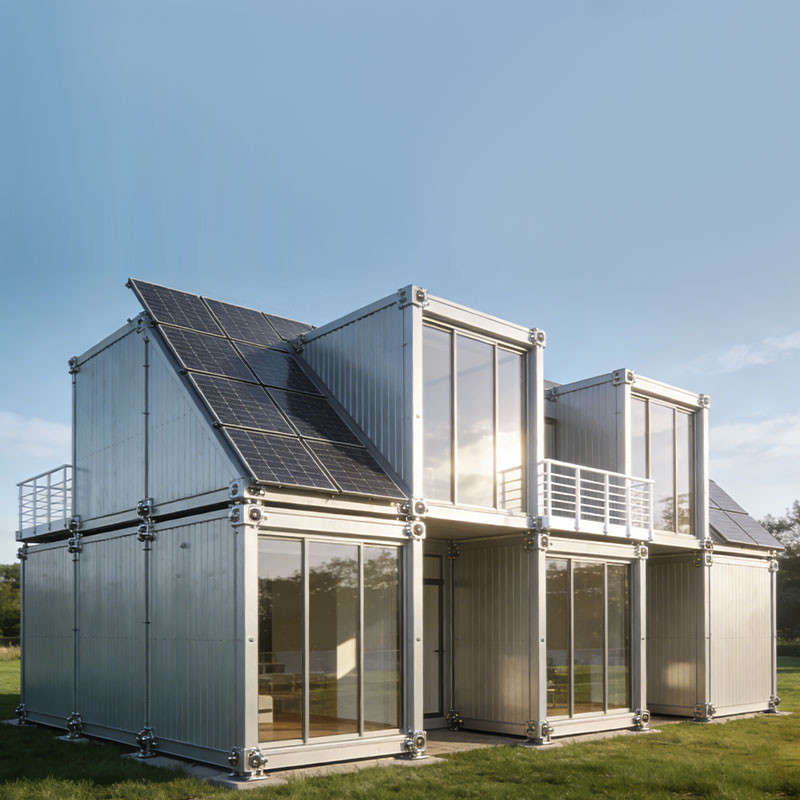
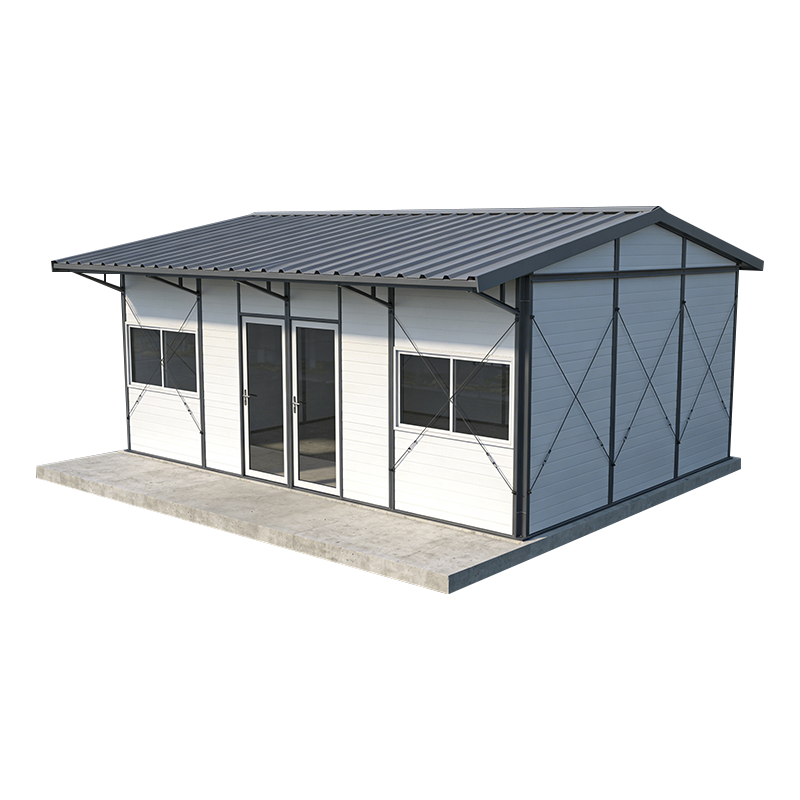
A portable temporary container house is a prefabricated modular building unit constructed from light steel frames and sandwich panel cladding, designed for rapid assembly, disassembly, and relocation. These units deliver 60–80% faster deployment compared to traditional site-built structures, with on-site assembly times ranging from 2 hours for a single unit to 1–2 days for multi-unit configurations. Their standardized production, structural stability, and excellent thermal, acoustic, and weatherproof performance make them the dominant solution for construction site dormitories, emergency shelters, temporary offices, and disaster relief housing worldwide.
Unlike conventional construction that requires months of on-site work, portable container houses are manufactured in factory-controlled environments where structural framing, insulation, waterproofing, interior finishes, and MEP (mechanical, electrical, plumbing) systems are pre-installed. Upon delivery to site, units are simply hoisted, leveled, and connected—achieving immediate occupancy with minimal civil foundation requirements.
Structural System and Material Composition
The performance of a portable container house depends on the integration of three core material systems: the steel frame skeleton, the insulated envelope, and the connection hardware.
Light Steel Frame Structure
The primary structural frame uses cold-formed galvanized steel sections with a minimum yield strength of 345 MPa (G450 grade). Standard frame members include C-shaped studs (typically 80 mm × 40 mm or 100 mm × 50 mm), U-shaped tracks for top and bottom plates, and square hollow section (SHS) corner posts of 50 mm × 50 mm × 2.0 mm or 60 mm × 60 mm × 2.5 mm. The galvanized coating mass of ≥180 g/m² (Z180) ensures corrosion resistance for 15–20 years in normal outdoor environments, with Z275 or ZAM coatings specified for coastal or high-humidity locations.
Sandwich Panel Cladding System
Wall and roof panels are typically 50–100 mm thick sandwich panels comprising:
- Outer and inner skins: 0.4–0.6 mm color-coated galvanized steel sheets (PPGI/PPGL) with polyester or PVDF finishes.
- Core insulation: Rock wool (density 100–140 kg/m³, thermal conductivity 0.038–0.045 W/m·K), EPS (expanded polystyrene, density 12–20 kg/m³), or polyurethane foam (density 40–45 kg/m³, superior thermal performance).
Rock wool cores provide fire resistance ratings of A1 (non-combustible) and are mandatory for dormitory and high-occupancy applications. EPS cores offer the lowest cost but are limited to B1 (flame-retardant) classification, while PU cores deliver the best thermal insulation (U-value 0.25–0.35 W/m²·K for 75 mm thickness) but require fire-retardant additives.
Floor and Roof Assembly
The floor system typically consists of a 18 mm cement-bonded particleboard or MgO (magnesium oxide) board over a steel joist grid, topped with 1.5–2.0 mm PVC flooring or 12 mm laminate. Live load capacity is designed for 2.0–2.5 kN/m², sufficient for residential and office use. The roof employs a sandwich panel slope of 1:20 to 1:12 with integrated gutters and downpipes to manage rainwater runoff.
Standard Unit Dimensions and Configurations
Portable container houses are produced in standardized modules to optimize manufacturing efficiency, transportation logistics, and on-site stacking.
| Parameter | 20 ft Standard | 40 ft Standard | Custom Flat-Pack |
|---|---|---|---|
| External length | 5,900 mm | 12,000 mm | 3,000–6,000 mm |
| External width | 2,400–2,500 mm | 2,400–2,500 mm | 2,200–3,000 mm |
| External height | 2,600–2,800 mm | 2,600–2,800 mm | 2,500–3,000 mm |
| Floor area (internal) | ~13 m² | ~28 m² | ~6–15 m² |
| Unit weight | 1,800–2,500 kg | 3,500–4,500 kg | 800–2,000 kg |
| Stacking capacity | Up to 3 stories | Up to 3 stories | Up to 2–3 stories |
Flat-Pack vs. Pre-Assembled Delivery
Two logistics models dominate the market:
- Pre-assembled (ISO container format): Units are fully factory-built and delivered as complete modules. A standard 40 ft shipping container can transport one 20 ft container house. This model minimizes on-site labor but maximizes shipping volume and cost.
- Flat-pack (knock-down): Wall panels, floor cassettes, roof panels, and corner posts are packed flat in bundles. A single 40 ft container can carry 6–8 flat-pack units, reducing shipping costs by 60–70%. On-site assembly requires 2–4 workers and 2–4 hours per unit.
Performance Characteristics and Compliance Standards
Portable container houses must satisfy structural, thermal, acoustic, and fire safety requirements to ensure occupant comfort and regulatory compliance.
Structural and Seismic Performance
The light steel frame system provides inherent ductility and low mass, delivering excellent seismic resistance. A typical 20 ft unit can withstand horizontal seismic forces equivalent to Zone 8 (0.20g PGA) on the Chinese seismic scale without structural damage. Wind resistance is rated for Basic Wind Speeds up to 40 m/s (144 km/h), with reinforced anchoring systems available for typhoon-prone regions (up to 60 m/s).
Thermal and Acoustic Insulation
With 75 mm rock wool sandwich panels, the overall wall U-value reaches approximately 0.45–0.55 W/m²·K, meeting energy efficiency requirements for temporary buildings in temperate climates. For cold regions, 100 mm PU core panels reduce the U-value to 0.25–0.30 W/m²·K. Acoustic insulation between units achieves 35–45 dB sound reduction, sufficient for sleeping quarters and offices.
Fire Safety Classification
Fire performance is dictated by the sandwich panel core material:
| Core Material | Fire Rating | Thermal Conductivity | Relative Cost | Best Application |
|---|---|---|---|---|
| Rock Wool | A1 (Non-combustible) | 0.038–0.045 W/m·K | Medium | Dormitories, high-occupancy |
| PU/PIR Foam | B1 (Flame-retardant) | 0.022–0.028 W/m·K | High | Cold climate, energy-efficient |
| EPS | B1 (Flame-retardant) | 0.035–0.040 W/m·K | Low | Storage, low-occupancy |
Primary Application Scenarios
The versatility of portable container houses enables deployment across diverse sectors where speed, mobility, and cost control are critical.
Construction Site Facilities
On construction sites, portable container houses function as temporary dormitories, site offices, canteens, and storage facilities. A typical 500-worker construction project requires 80–120 container dormitory units (assuming 4–6 workers per 20 ft unit), 10–15 office units, and 5–8 utility units. The entire camp can be erected in 5–7 days and fully dismantled and relocated to the next project upon completion.
Emergency and Disaster Relief Housing
In earthquake, flood, or conflict zones, portable container houses provide immediate shelter. Their pre-installed MEP systems (electrical distribution, LED lighting, air conditioning pre-connections, and plumbing rough-ins) allow same-day occupancy after delivery. Organizations such as UNHCR and Red Cross specify container-based solutions for refugee camps requiring 1,000+ units within 30 days.
Remote and Mining Camp Accommodation
Mining operations, oil & gas projects, and infrastructure works in remote locations rely on container house camps for workforce housing. These configurations often stack units 2–3 stories high with external walkways and stair towers, maximizing land use efficiency. A 200-person mining camp typically occupies 1,500–2,000 m² of footprint including dormitories, dining halls, recreation rooms, and medical facilities.
Commercial and Hospitality Adaptations
Beyond purely temporary use, container houses are increasingly deployed as pop-up retail stores, food kiosks, portable clinics, and budget hotels. Modified units with full-height glazing, timber cladding facades, and upgraded interior finishes achieve aesthetic standards comparable to permanent buildings while retaining the core advantages of modularity and mobility.
Foundation Requirements and Site Preparation
One of the most significant advantages of portable container houses is their minimal foundation demand, enabling deployment on virtually any level ground surface.
Foundation Options by Duration and Scale
Three foundation strategies accommodate different project requirements:
- Concrete strip footings: Cast-in-place reinforced concrete strips (typically 300 mm wide × 400 mm deep) under each unit line. Used for long-duration (2+ years) or multi-story installations.
- Prefabricated concrete blocks or pier pads: Individual 400 mm × 400 mm × 200 mm concrete blocks placed at corner and mid-span points. Suitable for medium-duration (6 months–2 years) single-story camps.
- Ground-level placement with leveling shims: Units placed directly on compacted gravel or concrete-hardstand surfaces, leveled with steel shims or adjustable jacks. Used for short-term (under 6 months) or emergency deployments.
Utility Connections and Infrastructure
Pre-installed electrical distribution boards (typically 32A–63A main breaker with 6–12 circuit breakers) and plumbing rough-ins simplify site connections. A standard 20 ft dormitory unit requires:
- Power supply: 220 V / 380 V, 50 Hz, 3–5 kW per unit (lighting, sockets, air conditioning).
- Water supply: DN20 (3/4 in) PPR or PE pipe connection, pressure 0.2–0.4 MPa.
- Wastewater: DN50 (2 in) PVC drain connection to septic tank or municipal sewer.
- Data/communications: CAT6 pre-wiring to distribution point, with Wi-Fi or 4G/5G router installation.
Quality Assurance and Regulatory Compliance
Ensuring portable container houses meet international standards is essential for safety, insurance, and market acceptance.
Applicable Design Codes and Certifications
Manufacturers and projects should reference the following standards:
- ISO 668 / ISO 1161: Dimensional and corner fitting standards for container-compatible modules.
- AS/NZS 4600 or EN 1993-1-3: Cold-formed steel structural design codes for frame verification.
- GB/T 9978 (China) or ASTM E119 (USA): Fire resistance testing standards for wall and roof assemblies.
- CE marking (EU) or CCC certification (China): Product conformity marks for market access.
Factory Quality Control Protocols
Reputable manufacturers implement the following QC checkpoints:
- Incoming material inspection: Verify steel coil mill certificates for yield strength, coating mass, and thickness tolerance.
- Frame welding inspection: 100% visual inspection plus 20% ultrasonic testing on critical corner post welds.
- Panel adhesion testing: Confirm foam-to-skin bond strength ≥0.15 MPa for sandwich panels.
- Water tightness test: Spray test on assembled units to verify roof and wall sealing integrity.
- Electrical safety test: Insulation resistance ≥2 MΩ, earth continuity <0.05 Ω, RCD functionality verification.

- E-Mail: [email protected]
- Tel: +86 18968239620
- Address: Room No.905, He Yuan Mansion, No. 382, Tianda Lane, Ningbo Southern Business District, Yinzhou Ningbo China
Quick Links
Contact Us
? Copyright Zhejiang Kaisier Clean Technology Co.,Ltd.
All Rights Reserved.
 Custom Temporary Building Factory
OEM Portable Temporary Container House Supplier
Custom Temporary Building Factory
OEM Portable Temporary Container House Supplier
-
+86 18968239620
-
-
