

 en
en
 English
 русский
 Español
 عربى
عربى ไทย
ไทย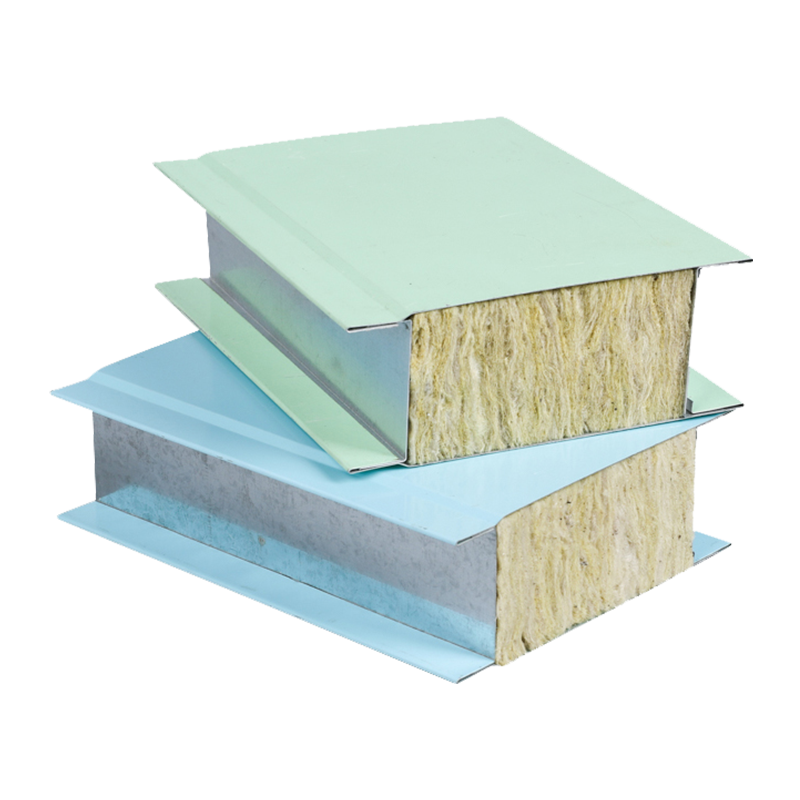

-
Kaisier Clean Technology Announces Official Operation of New Thailand Production Base, Enhancing Global Supply Chain Resilience
Jan, 30, 2026
Industry NewsZhejiang Kaisier Clean Technology Co., Ltd., a leading provider of high-performance cleanroom solutions, is proud to announce the official commencement of operations at its state-of-the-art production base in Thailand, u... -
Kaiser Unveils Next-Gen Antimicrobial Clean Panel Series, Setting New Benchmark for Healthcare & High-Tech Facilities
Jan, 30, 2026
Industry NewsInnovating at the intersection of safety and purity, Zhejiang Kaiser Clean Technology Co., Ltd. has launched its next-generation clean panel series, engineered with proprietary advanced surface treatment technology. This... -
Kaisier Clean Technology Showcases Total Cleanroom Solutions at SEMICON Southeast Asia 2024, Highlighting “One-Stop Service” Model
Jan, 30, 2026
Industry NewsZhejiang Kaisier Clean Technology Co., Ltd., together with its Thai subsidiary, successfully participated as an exhibitor at SEMICON Southeast Asia 2024, one of the region’s premier events for the microelectronics manufa...
Cleanroom Aluminum profiles Manufacturer
Product Categories
About Kaisier
Kaisier Cleans the Globe Tech Empowers Tomorrow
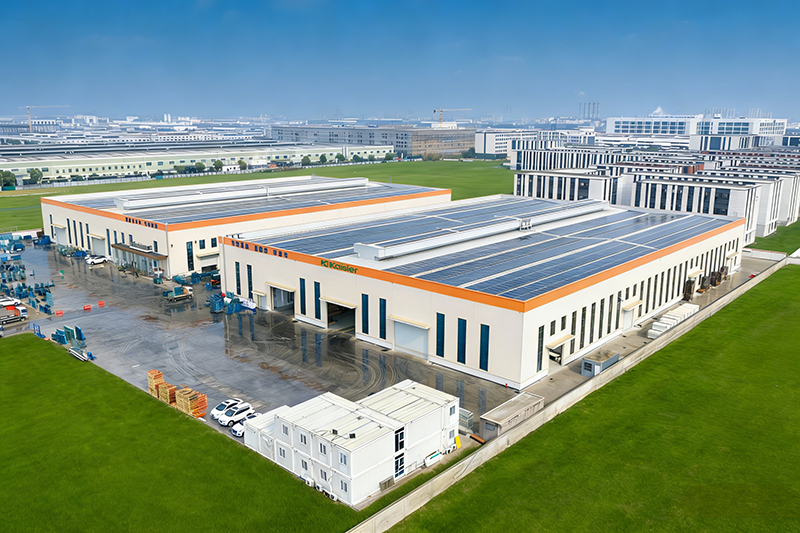
Zhejiang Kaisier Clean Technology Co.,Ltd. upholding the brand mission of "Kaisier Cleans the Globe, Tech Empowers Tomorrow", Zhejiang Kaisier Clean Technology Co., Ltd. and its Thai subsidiary are a technology-driven enterprise in the clean industry with a global layout. The company has built four modern production bases in China and Thailand, forming a "domestic coordination + international radiation" capacity network equipped with intelligent production lines and precision testing equipment to ensure stable and efficient supply.
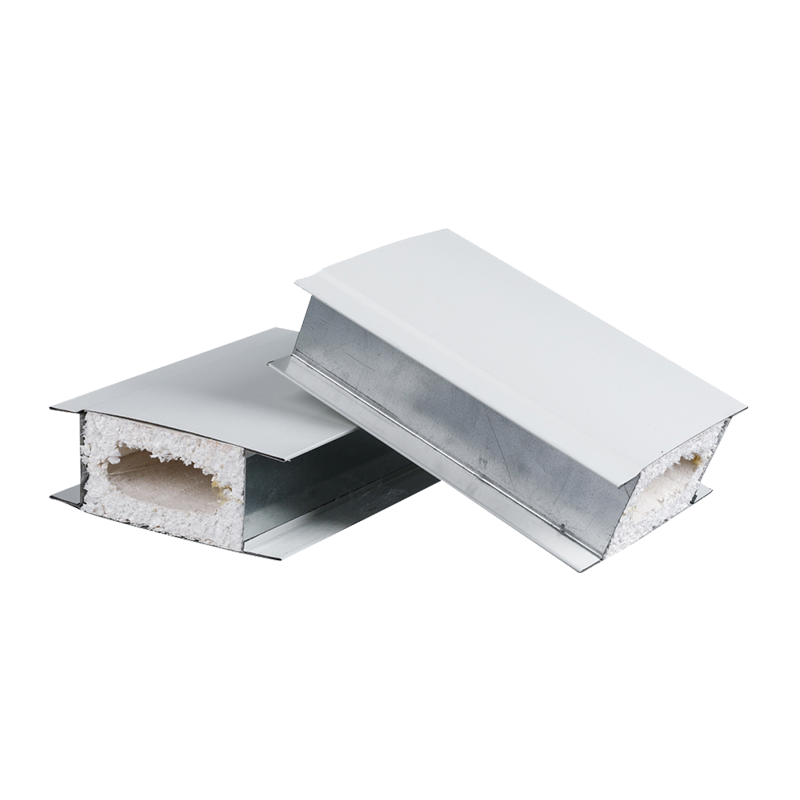
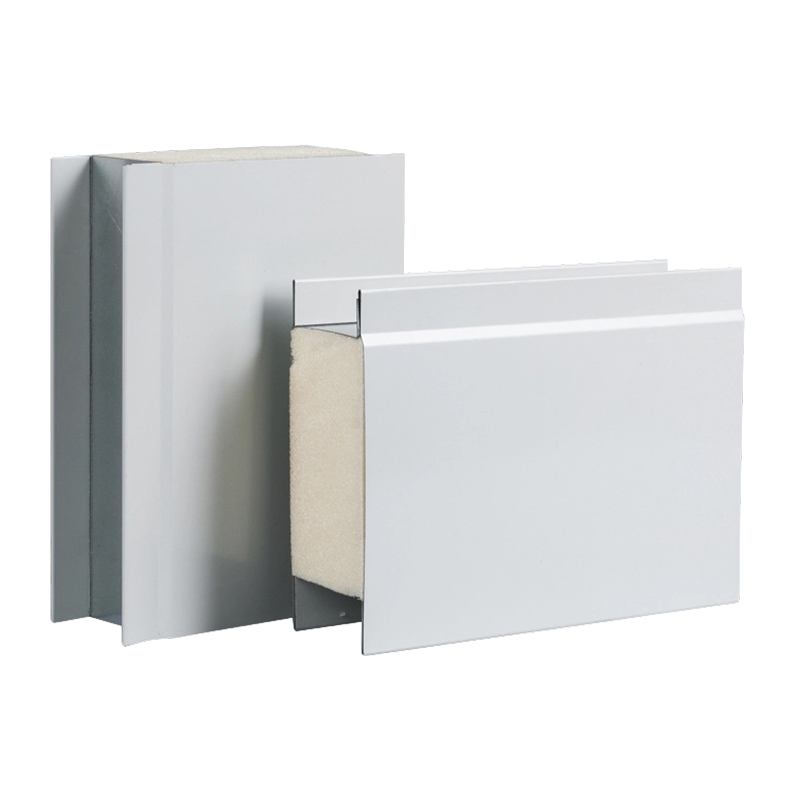
We are a China OEM/ODM Cleanroom Aluminum profiles Company and Cleanroom Aluminum profiles Manufacturer, specialize in R&D, production and sales of a full range of clean panels, including color steel sandwich panels, rock wool clean panels and magnesium oxide clean panels, which can meet the stringent requirements of Class 100 to Class 300,000 air purification projects. Our products lead the world in fire resistance, antibacterial and antistatic performance, and are widely applied in high-end fields such as healthcare, electronics and food industries, providing one-stop services from solution design to after-sales support. With technological innovation as the core and the philosophy of "precision engineering for ultimate cleanliness", we are committed to delivering safe and reliable clean space solutions for global customers.
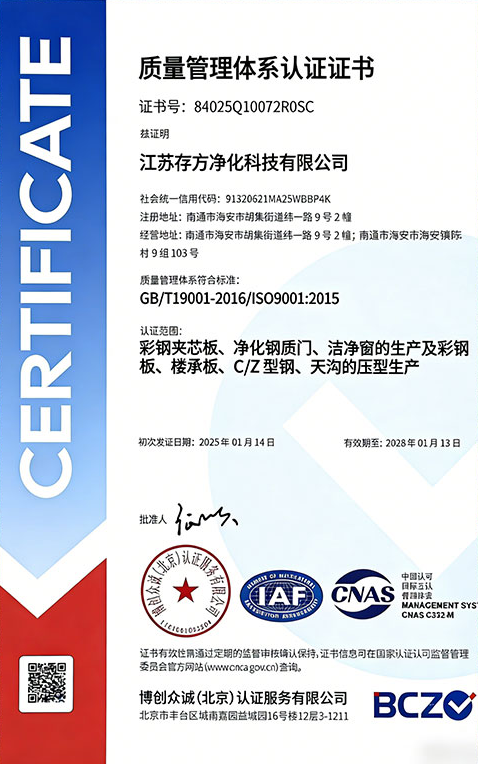
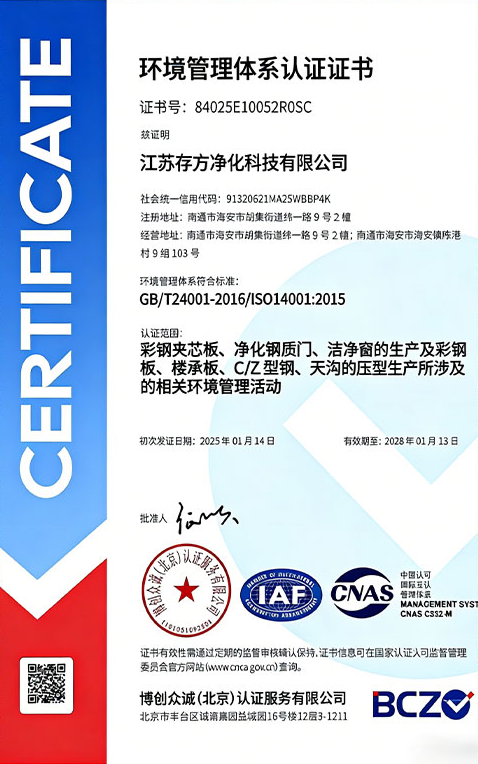
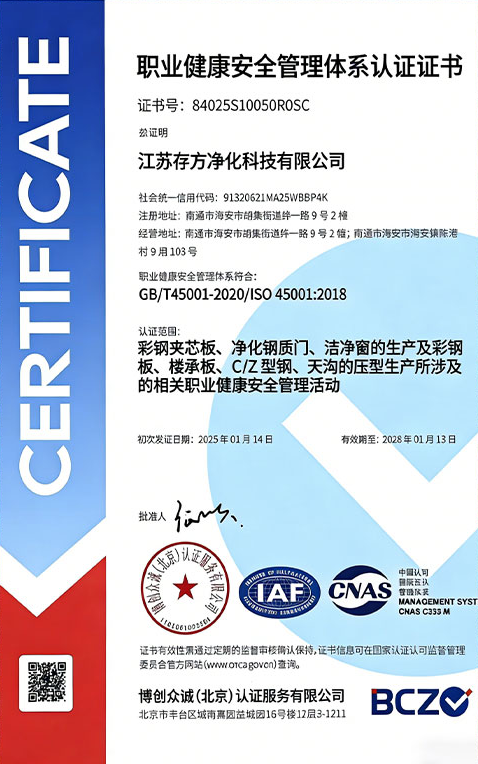
Certificate Of Honor
Our Latest News
Message Feedback
Cleanroom Aluminum profiles Industry knowledge
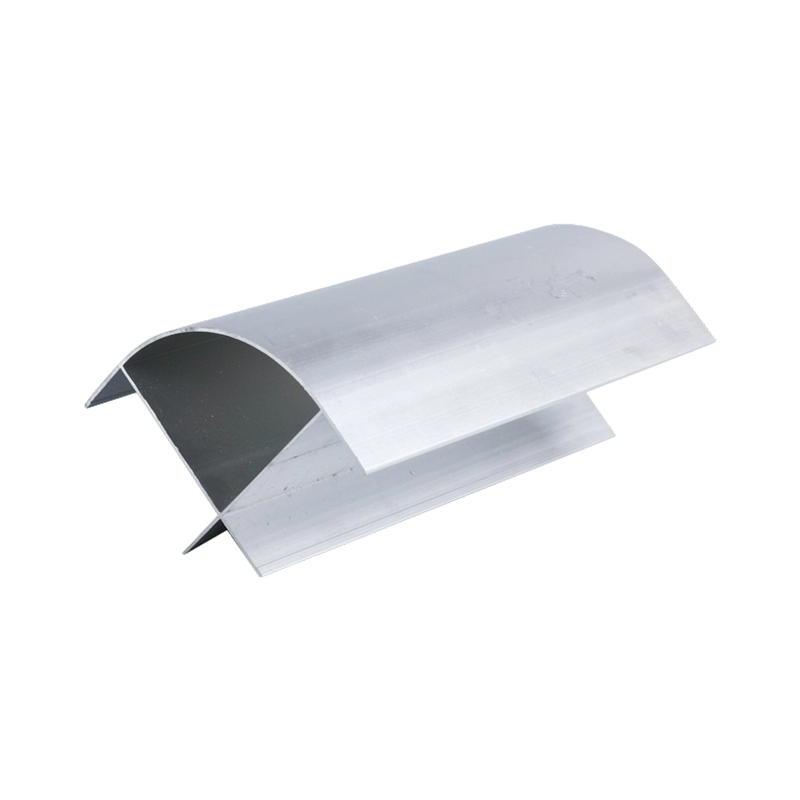
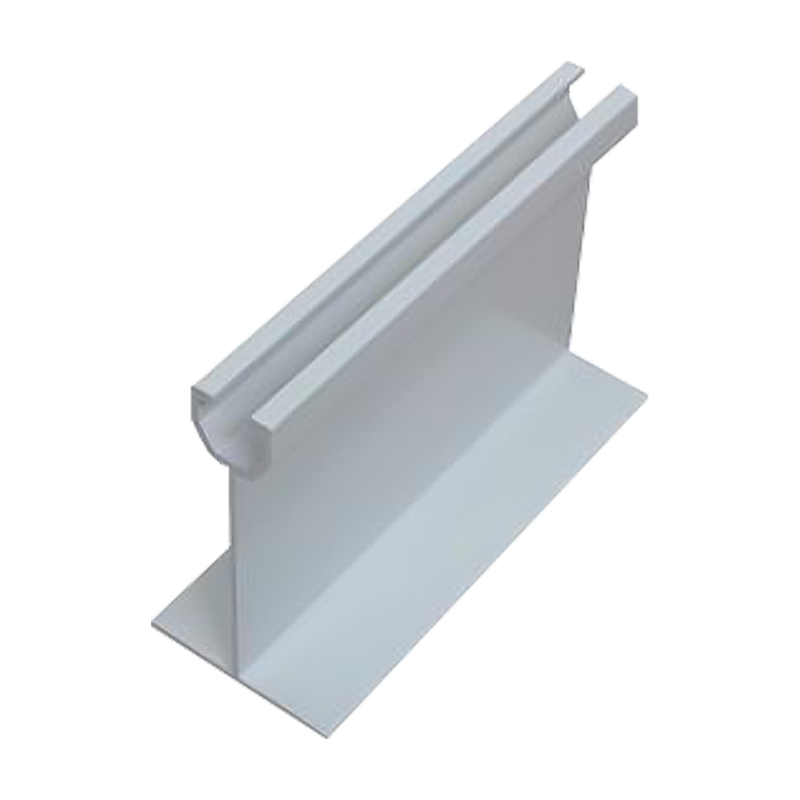
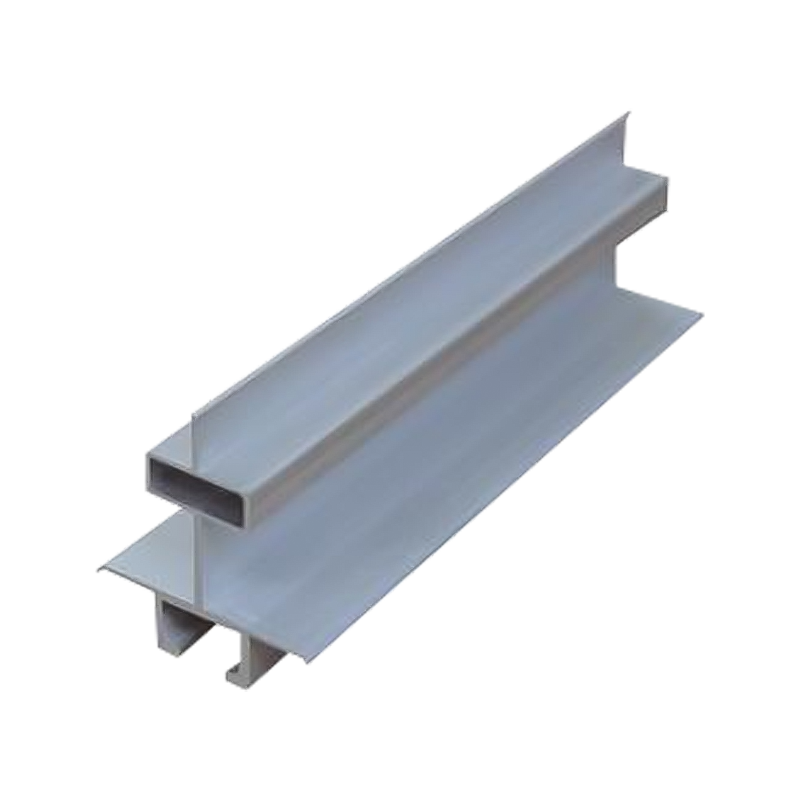
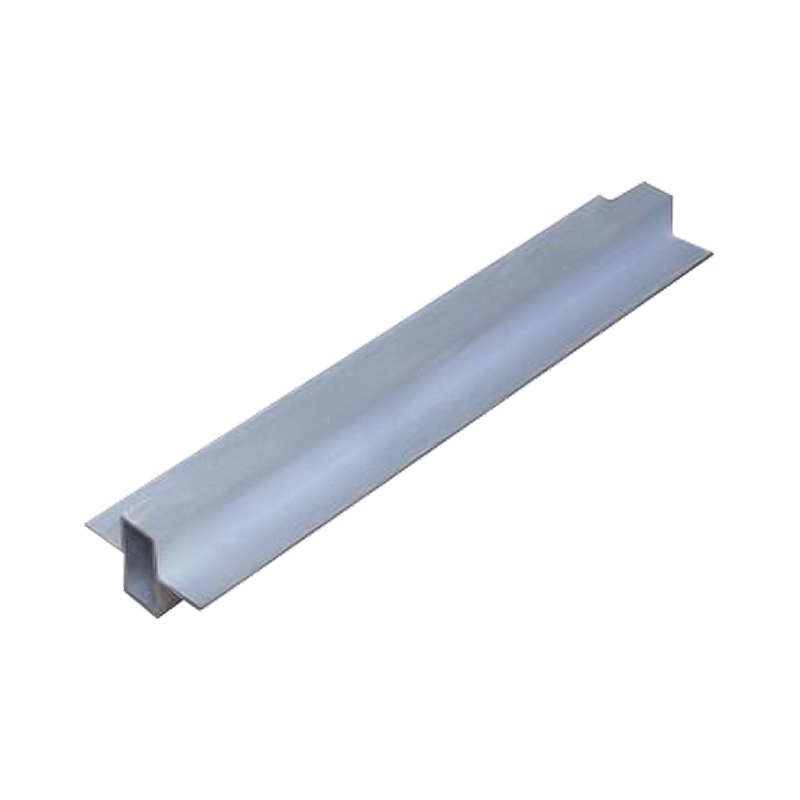
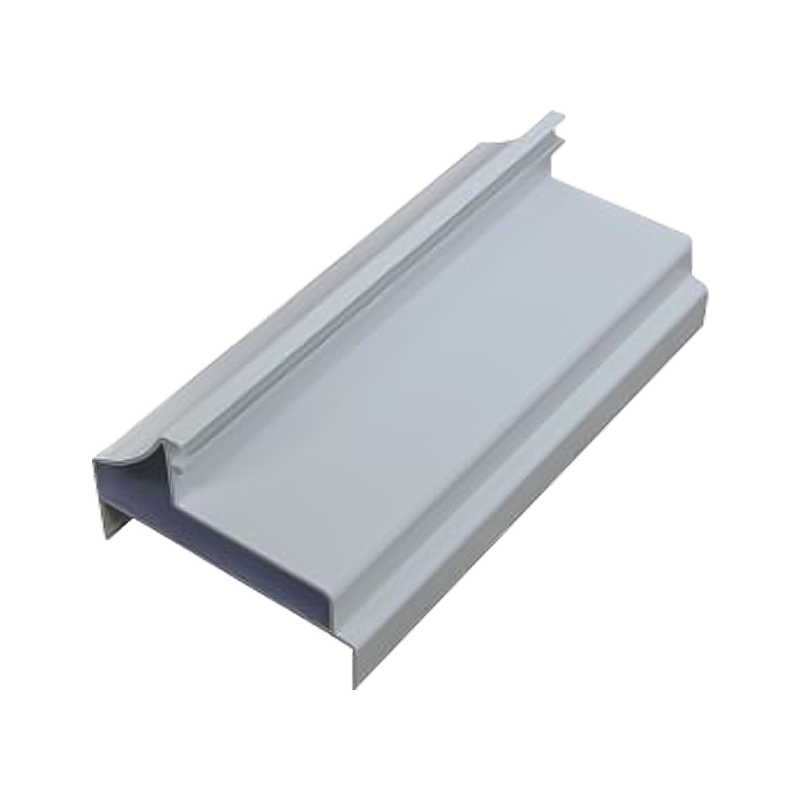
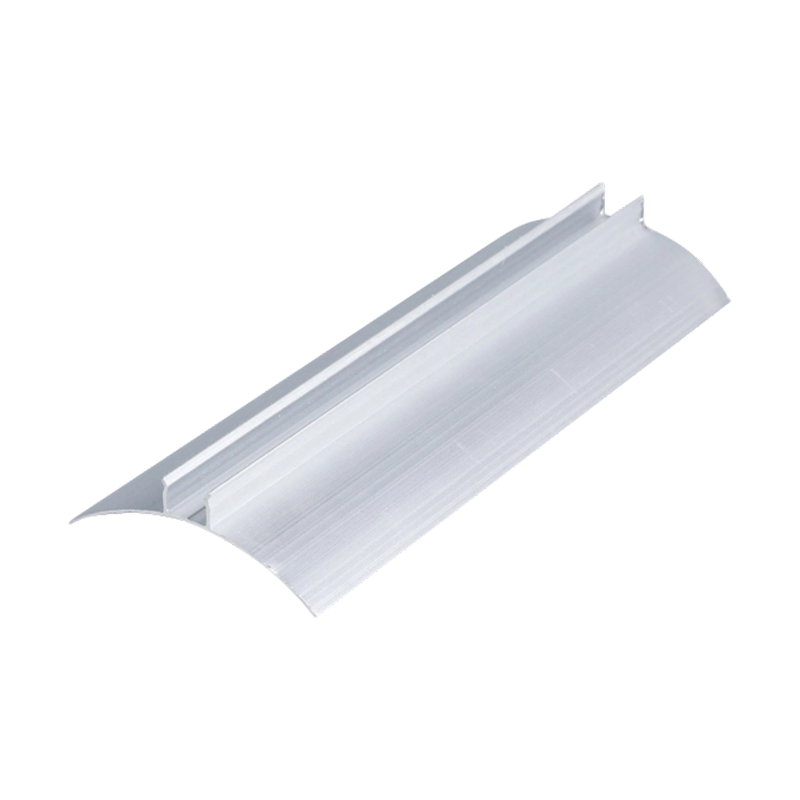
Cleanroom aluminum profiles are essential for constructing modular, durable, and contamination-free structures in controlled environments. Their high corrosion resistance, lightweight design, and precise dimensions make them the industry standard for laboratories, pharmaceutical facilities, and electronics manufacturing.
Material Properties and Surface Treatments
High-quality aluminum alloys are used to produce cleanroom profiles through extrusion molding. The surfaces can undergo various treatments such as:
- Anodizing for enhanced corrosion resistance and aesthetic finish
- Electrophoretic coating to prevent particle contamination
- Fluorocarbon coating for chemical resistance and durability
These treatments ensure that the profiles maintain dimensional stability and surface smoothness, crucial for cleanroom performance.
Common Profile Types and Applications
Different aluminum profiles serve distinct structural and sealing purposes in cleanroom environments:
| Profile Type | Key Feature | Typical Application |
|---|---|---|
| Extruded Aluminum Round Tube | Lightweight, corrosion-resistant, high compressive strength | Column cladding, wall decoration, structural frames |
| Single Seal Door Profile | Compact with pre-designed grooves for sealing strips | Cleanroom door frames, airtight sealing |
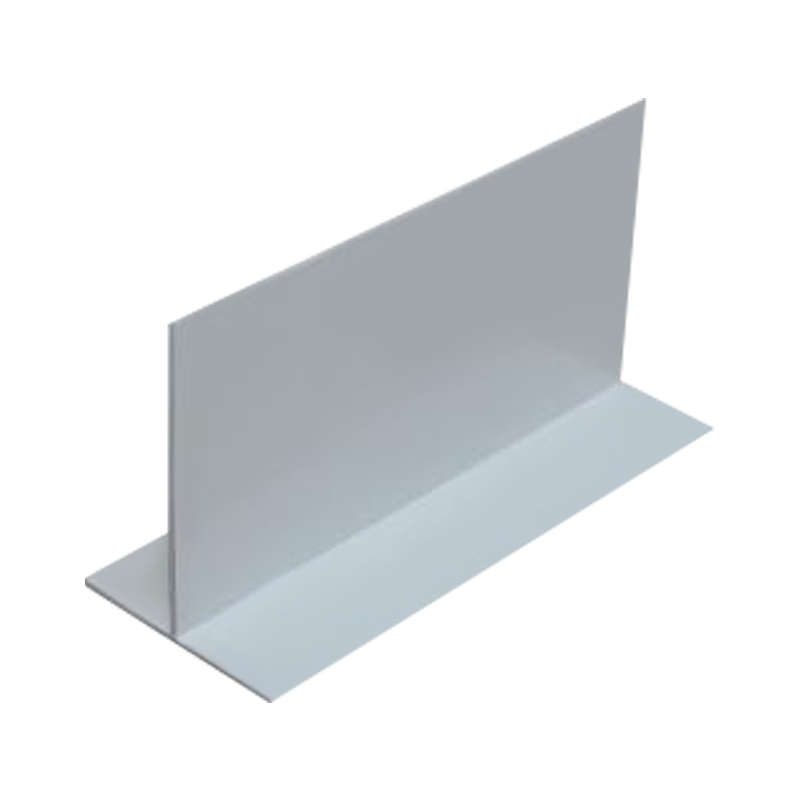
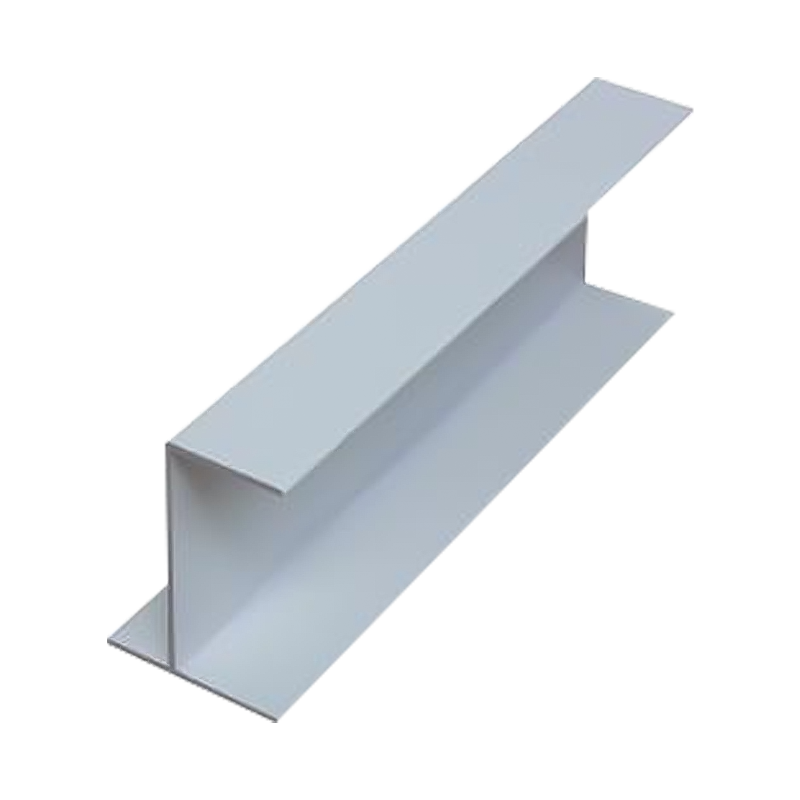
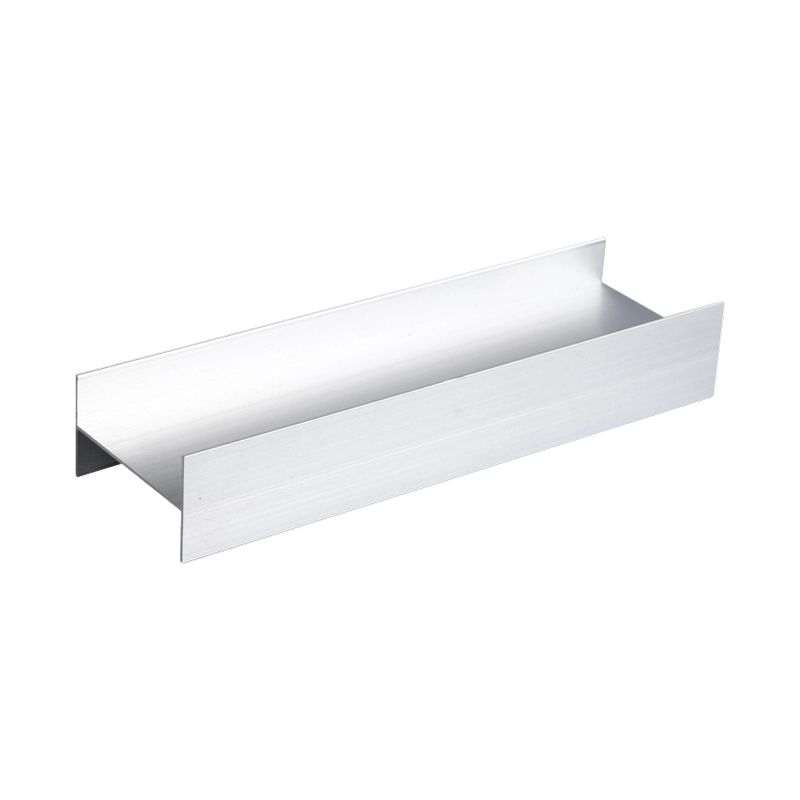
| I-Beam and Heavy Duty Beams | High load-bearing capacity | Frameworks for equipment and partition walls |
Design and Installation Considerations
Proper installation of cleanroom aluminum profiles ensures airtight sealing, structural stability, and ease of maintenance. Key considerations include:
- Aligning extrusion grooves with door panels and sealing strips
- Ensuring no sharp edges or burrs that could generate particles
- Using anodized or coated surfaces to maintain long-term corrosion resistance
Maintenance and Longevity
With regular inspection and gentle cleaning, cleanroom aluminum profiles can maintain their integrity for over 20 years. Recommended practices include:
- Wiping surfaces with non-abrasive, pH-neutral cleaners
- Checking sealing strips for wear and replacing as needed
- Avoiding direct exposure to harsh chemicals or excessive mechanical stress
Frequently Asked Questions about Kaisier Cleanroom Panels
What types of cleanroom panels does Kaisier offer?
Kaisier provides a full range of cleanroom panels including color steel sandwich panels, rock wool clean panels, and magnesium oxide clean panels. Each type meets specific requirements for fire resistance, antibacterial properties, and antistatic performance.
What cleanroom classes can Kaisier panels support?
Our panels are suitable for projects ranging from Class 100 to Class 300,000 air purification standards, making them applicable in healthcare, electronics, and food industries.
Are Kaisier panels resistant to fire and bacteria?
Yes, our panels have excellent fire resistance, antibacterial, and antistatic performance, ensuring both safety and compliance with strict cleanroom standards.
Where are Kaisier's production bases located?
Kaisier operates four modern production bases in China and Thailand, forming a domestic and international network that ensures stable and efficient supply.
Does Kaisier provide customized cleanroom solutions?
Absolutely. We specialize in R&D, production, and customized solutions for cleanrooms, offering panels and systems tailored to meet the specific requirements of each project.

- E-Mail: [email protected]
- Tel: +86 18968239620
- Address: Room No.905, He Yuan Mansion, No. 382, Tianda Lane, Ningbo Southern Business District, Yinzhou Ningbo China
Quick Links
Contact Us
? Copyright Zhejiang Kaisier Clean Technology Co.,Ltd.
All Rights Reserved.
 OEM/ODM Cleanroom Aluminum profiles Company
Cleanroom Aluminum profiles Manufacturer
OEM/ODM Cleanroom Aluminum profiles Company
Cleanroom Aluminum profiles Manufacturer
-
+86 18968239620
-
-
