

 en
en
 English
 русский
 Español
 عربى
عربى ไทย
ไทย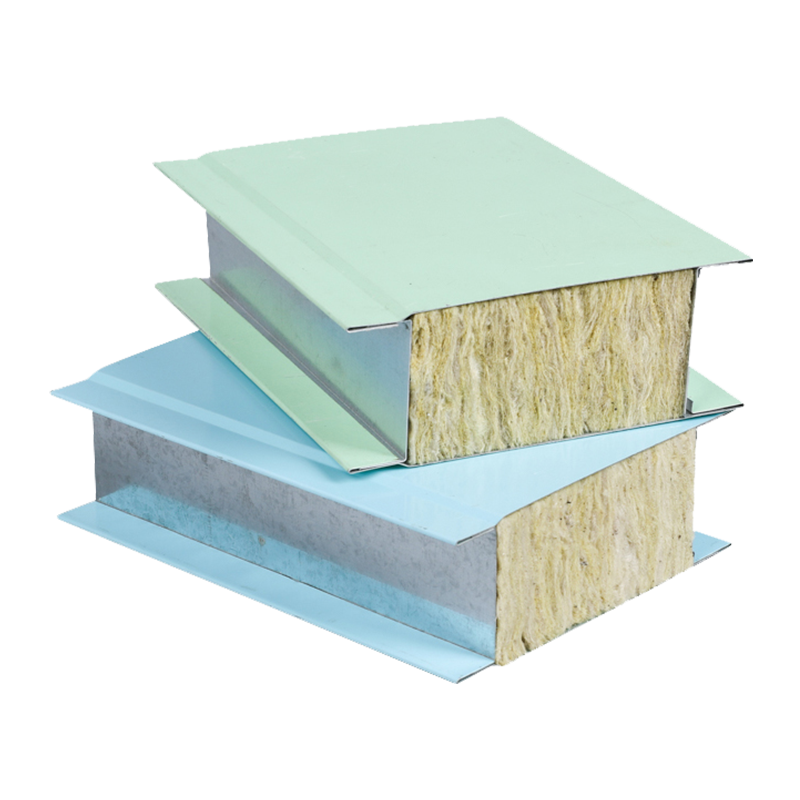
-
Kaisier Clean Technology Announces Official Operation of New Thailand Production Base, Enhancing Global Supply Chain Resilience
Jan, 30, 2026
Industry NewsZhejiang Kaisier Clean Technology Co., Ltd., a leading provider of high-performance cleanroom solutions, is proud to announce the official commencement of operations at its state-of-the-art production base in Thailand, u... -
Kaiser Unveils Next-Gen Antimicrobial Clean Panel Series, Setting New Benchmark for Healthcare & High-Tech Facilities
Jan, 30, 2026
Industry NewsInnovating at the intersection of safety and purity, Zhejiang Kaiser Clean Technology Co., Ltd. has launched its next-generation clean panel series, engineered with proprietary advanced surface treatment technology. This... -
Kaisier Clean Technology Showcases Total Cleanroom Solutions at SEMICON Southeast Asia 2024, Highlighting “One-Stop Service” Model
Jan, 30, 2026
Industry NewsZhejiang Kaisier Clean Technology Co., Ltd., together with its Thai subsidiary, successfully participated as an exhibitor at SEMICON Southeast Asia 2024, one of the region’s premier events for the microelectronics manufa...
Anti-rust Stainless Steel Cleanroom Panels Supplier
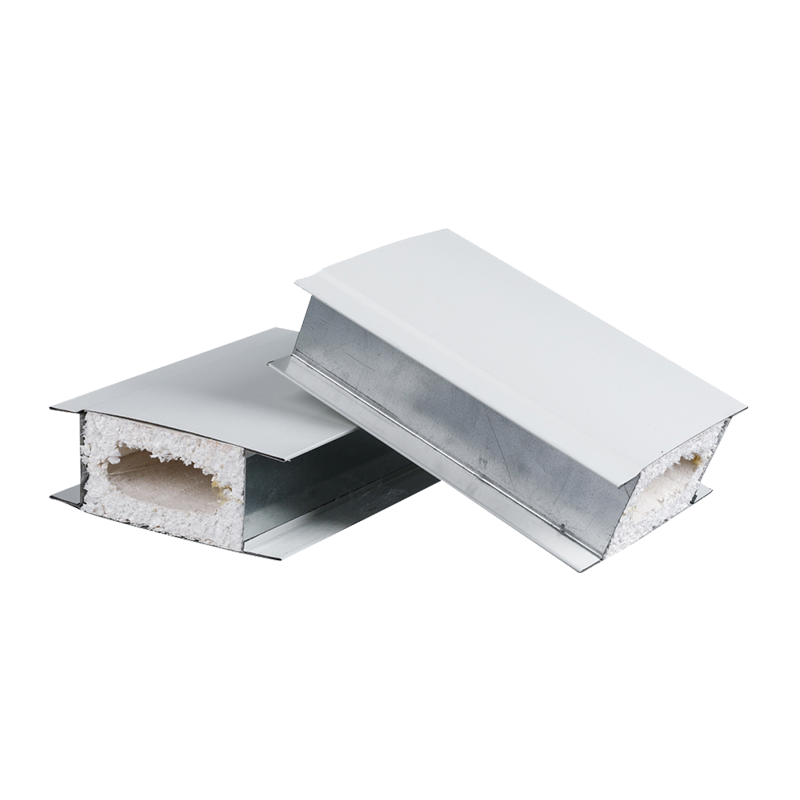
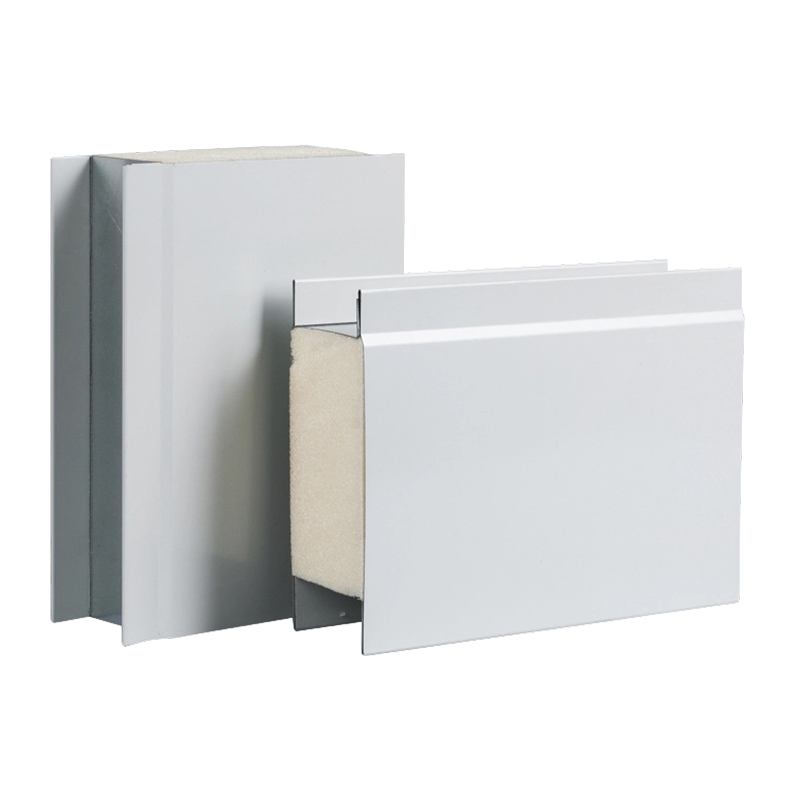
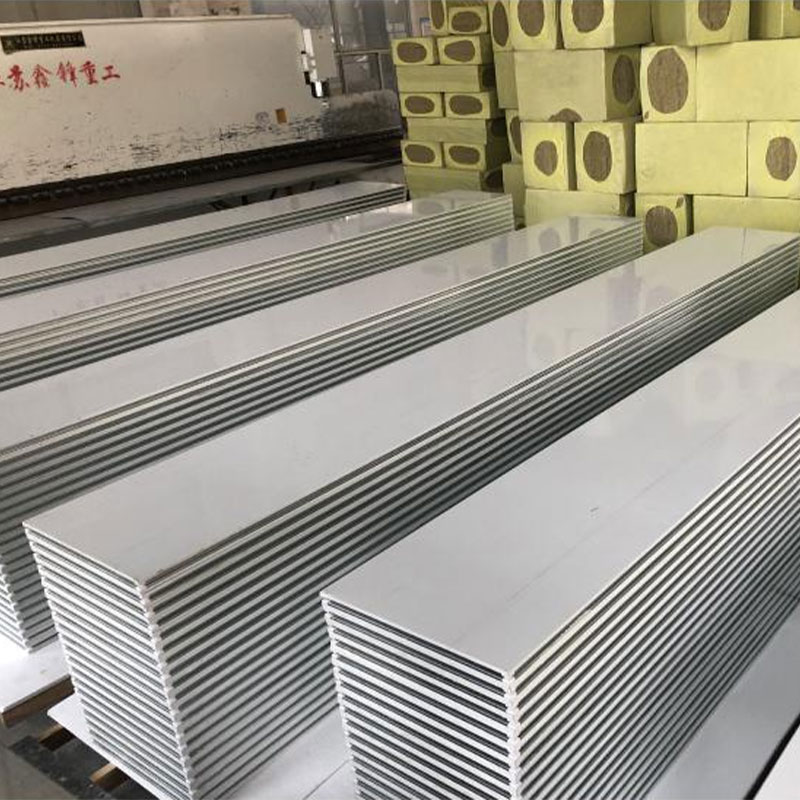
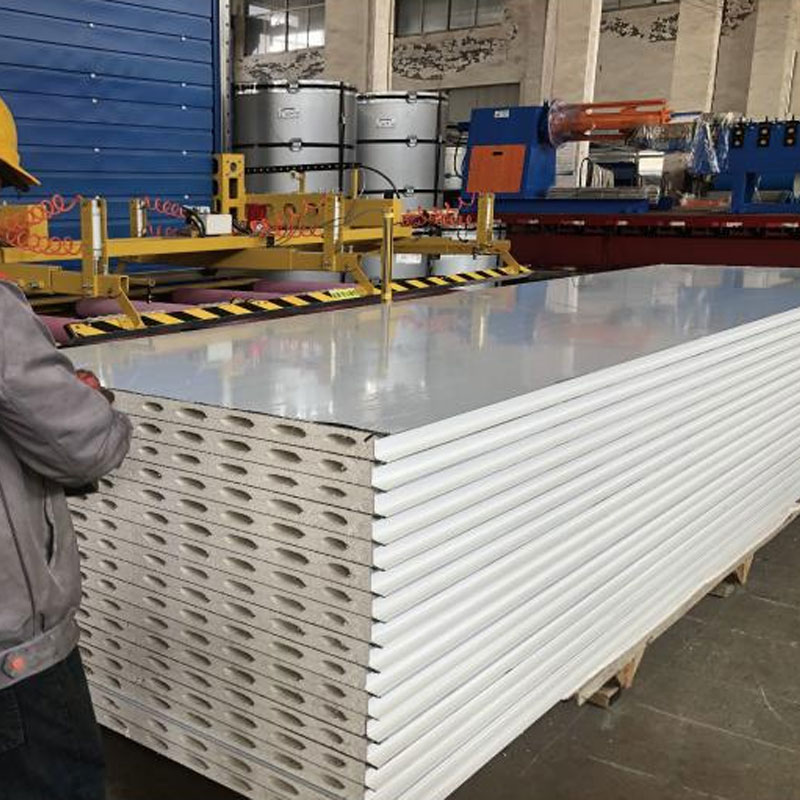
Stainless steel cleanroom panels are manufactured using high-quality stainless steel as the surface layer, with core materials such as rock wool, glass magnesium rock wool, glass magnesium, aluminum silicate, polyurethane, and aluminum (paper) honeycomb, supported by a frame, and then processed through heating, pressurization, and adhesive curing. They feature a smooth and aesthetically pleasing surface, high strength, sound insulation, heat insulation, thermal insulation, seismic resistance, customizable dimensions, easy connection and disassembly, concealed core material, and convenient construction. They are widely used in cleanroom enclosures and ceilings in high-tech electronics, pharmaceuticals, chemicals, and food industries, as well as in industrial plants, warehouses, cold storage facilities, ovens, and air conditioner wall panels.
Product Categories
About Kaisier
Kaisier Cleans the Globe Tech Empowers Tomorrow
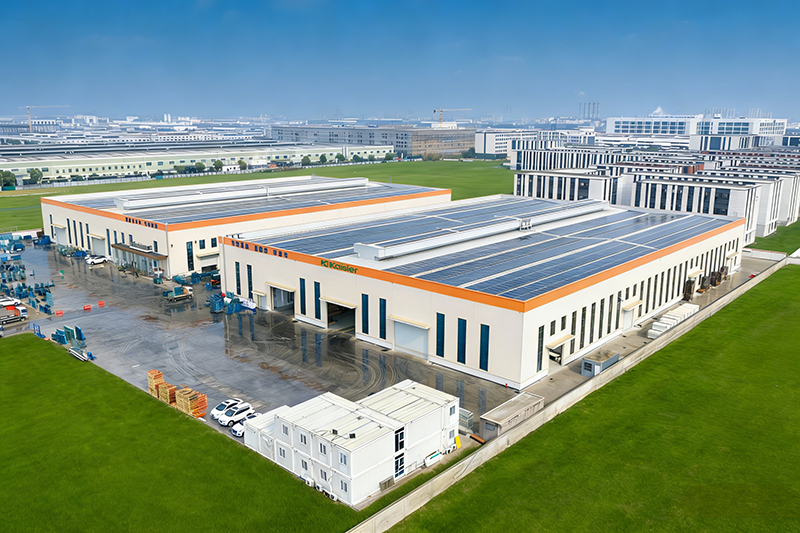
Zhejiang Kaisier Clean Technology Co.,Ltd. upholding the brand mission of "Kaisier Cleans the Globe, Tech Empowers Tomorrow", Zhejiang Kaisier Clean Technology Co., Ltd. and its Thai subsidiary are a technology-driven enterprise in the clean industry with a global layout. The company has built four modern production bases in China and Thailand, forming a "domestic coordination + international radiation" capacity network equipped with intelligent production lines and precision testing equipment to ensure stable and efficient supply.
We are a China Custom Anti-rust Stainless Steel Cleanroom Panels Factory and Anti-rust Stainless Steel Cleanroom Panels Supplier, specialize in R&D, production and sales of a full range of clean panels, including color steel sandwich panels, rock wool clean panels and magnesium oxide clean panels, which can meet the stringent requirements of Class 100 to Class 300,000 air purification projects. Our products lead the world in fire resistance, antibacterial and antistatic performance, and are widely applied in high-end fields such as healthcare, electronics and food industries, providing one-stop services from solution design to after-sales support. With technological innovation as the core and the philosophy of "precision engineering for ultimate cleanliness", we are committed to delivering safe and reliable clean space solutions for global customers.
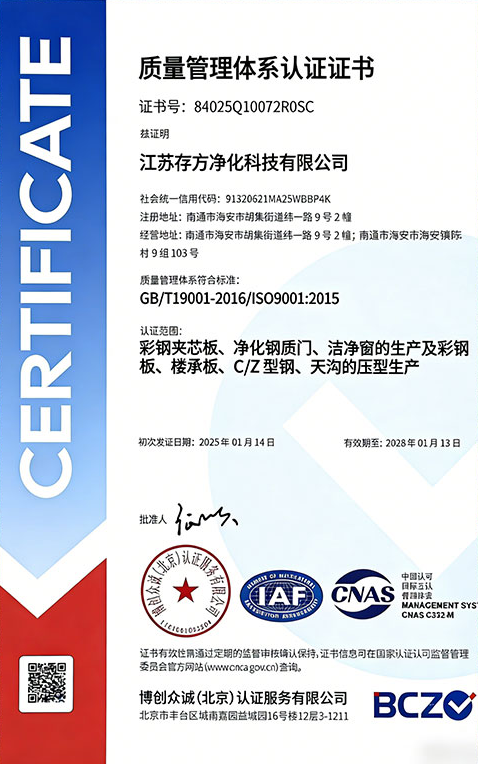
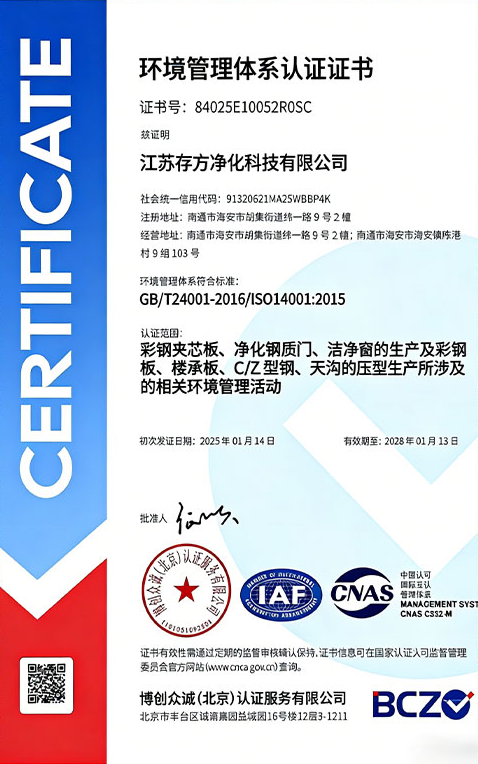
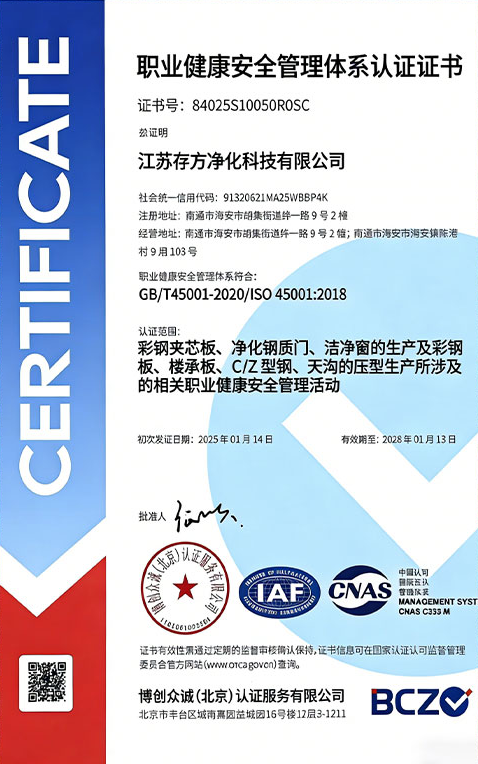
Certificate Of Honor
Our Latest News
Message Feedback
Stainless steel cleanroom panel Industry knowledge
In pharmaceutical, food processing, chemical, and high-humidity cleanrooms, ordinary color-coated steel or galvanized steel panels are highly susceptible to edge corrosion and coating peeling after prolonged exposure to disinfectants, salt spray, or acidic gases, leading to cleanliness failure. The clear conclusion is: Anti-rust stainless steel cleanroom panels, with their excellent corrosion resistance, antibacterial surfaces, and easy-to-clean characteristics, are the only reliable choice for ISO Class 5 to ISO Class 8 corrosive clean environments. Although initial investment is approximately 60%–100% higher than ordinary color-coated steel panels, over a 10-year lifecycle — with no need for replacement or production stoppages — the total cost is actually lower. The following provides in-depth technical reference from four dimensions: stainless steel grades, surface treatment, core material selection, and installation specifications.
Stainless Steel Grade Selection: Key Differences Between 304 and 316L
The rust prevention performance of stainless steel cleanroom panels depends first and foremost on the selected stainless steel grade. A quantitative comparison of the two most commonly used grades is shown below:
| Performance Indicator | 304 Stainless Steel | 316L Stainless Steel | Selection Advice |
|---|---|---|---|
| Chromium (Cr) Content | 18-20% | 16-18% | Both form dense oxide film |
| Nickel (Ni) Content | 8-10.5% | 10-14% | Higher nickel = stronger corrosion resistance |
| Molybdenum (Mo) Content | None | 2-3% | Molybdenum significantly improves resistance to chloride ion corrosion |
| Salt Spray Test (hours) | 200-500 hours | 800-1200 hours | 316L suitable for high salt spray environments |
| Chloride Tolerance (ppm) | ≤200 ppm | ≤1000 ppm | Chlorine-containing disinfectant environments must use 316L |
| Relative Cost | Baseline | +30-40% | Higher ROI in high-corrosion environments |
Surface Treatment Processes: Key to Long-Term Rust Prevention
Even with high-quality stainless steel grades, improper surface treatment can lead to corrosion. A comparison of three mainstream surface treatment processes is shown below:
| Surface Treatment | Surface Roughness Ra (μm) | Corrosion Resistance | Cleanability | Application Scenarios |
|---|---|---|---|---|
| 2B (Cold-rolled bright) | 0.1-0.3 | Good | Easy | General pharmaceutical, electronics cleanrooms |
| BA (Bright Annealed) | 0.05-0.1 | Excellent | Very easy | GMP workshops, aseptic filling rooms |
| No.4 (Brushed) | 0.4-0.8 | Good | Moderate | Food workshops, general clean corridors |
| Mirror (8K) | ≤0.05 | Excellent | Very easy | Biosafety laboratories, high-grade sterile zones |
Core Material Selection: Matching Internal Performance for Stainless Steel Cleanroom Panels
Stainless steel facings determine corrosion resistance and cleanability, while the core material determines fire resistance, thermal insulation, and strength. A comparison of five core materials suitable for stainless steel cleanroom panels is shown below:
| Core Material | Fire Rating | Thermal Conductivity (W/m·K) | Flexural Strength (MPa) | Moisture Resistance | Recommended Scenarios |
|---|---|---|---|---|---|
| Rock Wool | Class A | 0.040 | 0.8-1.0 | Moderate (absorbs moisture) | Pharmaceutical, chemical dry zones |
| Magnesium Oxysulfate | Class A | 0.098 | 1.2-1.5 | Excellent (waterproof) | Food workshops, cold storage, high-humidity environments |
| Polyurethane (PU) | Class B1/B2 | 0.024 | 1.3-1.6 | Excellent | Temperature-controlled cleanrooms, energy-saving projects |
| Aluminum Honeycomb | Class B1 | 0.080 | 2.0-2.5 | Excellent | High-load ceilings, heavy equipment areas |
| Aluminum Silicate | Class A | 0.045 | 0.9-1.1 | Good | High-temperature cleanrooms, oven surroundings |
Installation & Joint Design: Details Determine Rust Prevention Success
During the installation of stainless steel cleanroom panels, the areas most susceptible to corrosion are often not the panel surfaces, but rather cut edges, drilled holes, and panel joints. The following are five key rust prevention measures:
- Cut edge treatment: All field-cut stainless steel panel edges must be ground using stainless steel-specific grinding wheels, then coated with stainless steel passivation paste or anti-rust protective agent. Untreated cut edges will develop rust within 1-2 months;
- Fastener selection: All screws, bolts, and washers must be made of 304 or 316 stainless steel. Galvanized steel or ordinary carbon steel fasteners are strictly prohibited. Dissimilar metal contact causes galvanic corrosion, accelerating rust;
- Sealant compatibility: Neutral silicone sealant (pH 6.5-7.5) must be used. Avoid acidic or alkaline sealants that corrode the stainless steel surface. Food-grade mildew-resistant sealant is recommended, with joint width 3-5mm;
- Avoid iron contamination: Stainless steel-specific tools should be used at the construction site, avoiding mixing with carbon steel tools. Carbon steel particles embedded in the stainless steel surface will form "rust spots" in humid environments, which can spread and cause large-area rust staining;
- Weld treatment: If field welding is required, post-weld acid pickling and passivation must be performed to remove scale from the heat-affected zone. Weld areas should undergo passivation film testing (blue dot method) to ensure no free iron ions remain.
Following the above measures, stainless steel cleanroom panels can achieve a rust-free service life of 15-20 years, far exceeding the 5-8 years of ordinary color-coated steel panels.
Typical Applications and Selection Recommendations for Stainless Steel Cleanroom Panels
Below are four typical application scenarios and their recommended configurations:
| Application Scenario | Recommended SS Grade | Recommended Surface Finish | Recommended Core | Key Considerations |
|---|---|---|---|---|
| Biopharmaceutical GMP Workshop | 304 or 316L | BA Bright or Mirror | Rock Wool or Magnesium Oxysulfate | Resistance to VHP disinfectant corrosion |
| Food Processing / Seafood Workshop | 316L | 2B or No.4 | Magnesium Oxysulfate | High salt/high humidity, frequent washing |
| Chemical / Laboratory Clean Zone | 316L | BA Bright | Rock Wool or Aluminum Silicate | Resistance to acidic/alkaline gases |
| Coastal Electronics Cleanroom | 316L | 2B or BA | Polyurethane or Aluminum Honeycomb | Resistance to salt spray corrosion |
Frequently Asked Questions (FAQ) About Anti-Rust Stainless Steel Cleanroom Panels
1. Are stainless steel cleanroom panels truly "rust-proof"? Under what conditions can they rust?
Stainless steel is not "never rusts" but rather "resists rusting." Its rust prevention principle relies on forming a dense chromium oxide passivation film on the surface. Stainless steel can still rust under the following conditions: ① Prolonged exposure to high chloride ion environments (e.g., sodium hypochlorite disinfectants, seawater) without using 316L; ② Surface embedded with carbon steel particles (cross-contamination at construction site); ③ Failure to perform acid pickling and passivation after cutting or welding; ④ In oxygen-deprived environments where the passivation film cannot self-repair. With correct grade selection and proper installation, 304 stainless steel can remain rust-free for over 10 years in standard cleanroom environments, while 316L can achieve 15-20 years in high-corrosion environments.
2. How should stainless steel cleanroom panels be cleaned and maintained daily?
Daily cleaning should follow these principles:
- Cleaner selection: Use neutral cleaners (pH 6-8) or dedicated stainless steel cleaners. Chlorine-based bleaches, strong acids (e.g., hydrochloric acid), and strong alkalis (e.g., sodium hydroxide) are strictly prohibited for direct wiping;
- Cleaning tools: Use soft cloths, sponges, or microfiber wipes. Steel wool, stiff brushes, or abrasive pads containing sand particles are strictly prohibited as they can scratch the passivation film;
- Cleaning direction: Wipe unidirectionally along the grain direction (for No.4 brushed finish), avoiding circular motions that can cause scratches;
- Periodic passivation: Professional passivation treatment (using citric acid passivation paste or nitric acid solution) is recommended annually for stainless steel cleanroom panels to restore aged passivation films, especially in areas frequently exposed to disinfectants.
3. What is the difference in service life and total lifecycle cost between stainless steel and ordinary color-coated steel cleanroom panels?
Using a 5,000 m² cleanroom project as an example, a comparative analysis is shown below:
<tr style="display:| Comparison Item | Standard Color-Coated Steel (PE coating) | 304 Stainless Steel | 316L Stainless Steel |
|---|---|---|---|
| Initial Investment (USD/m²) | 30-40 | 60-75 | 80-100 |
| Typical Service Life (years) | 5-8 | 12-15 | 18-22 |
| Number of Replacements in 10 Years | 1-2 times | 0 times | 0 times |

- E-Mail: [email protected]
- Tel: +86 18968239620
- Address: Room No.905, He Yuan Mansion, No. 382, Tianda Lane, Ningbo Southern Business District, Yinzhou Ningbo China
Quick Links
Contact Us

-
+86 18968239620
-
-
