

 en
en
 English
 русский
 Español
 عربى
عربى ไทย
ไทย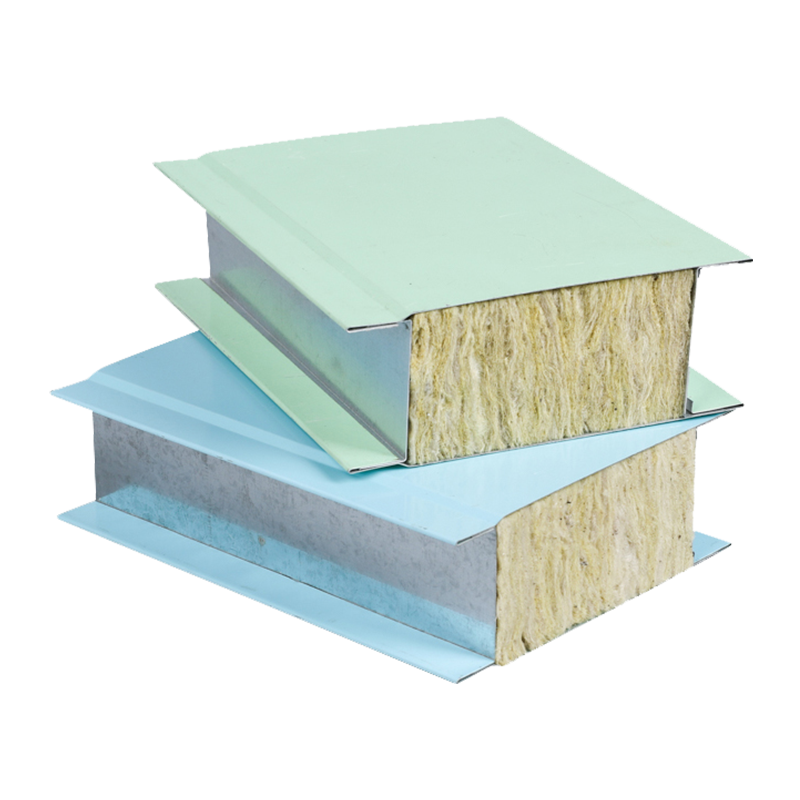
-
Kaisier Clean Technology Announces Official Operation of New Thailand Production Base, Enhancing Global Supply Chain Resilience
Jan, 30, 2026
Industry NewsZhejiang Kaisier Clean Technology Co., Ltd., a leading provider of high-performance cleanroom solutions, is proud to announce the official commencement of operations at its state-of-the-art production base in Thailand, u... -
Kaiser Unveils Next-Gen Antimicrobial Clean Panel Series, Setting New Benchmark for Healthcare & High-Tech Facilities
Jan, 30, 2026
Industry NewsInnovating at the intersection of safety and purity, Zhejiang Kaiser Clean Technology Co., Ltd. has launched its next-generation clean panel series, engineered with proprietary advanced surface treatment technology. This... -
Kaisier Clean Technology Showcases Total Cleanroom Solutions at SEMICON Southeast Asia 2024, Highlighting “One-Stop Service” Model
Jan, 30, 2026
Industry NewsZhejiang Kaisier Clean Technology Co., Ltd., together with its Thai subsidiary, successfully participated as an exhibitor at SEMICON Southeast Asia 2024, one of the region’s premier events for the microelectronics manufa...
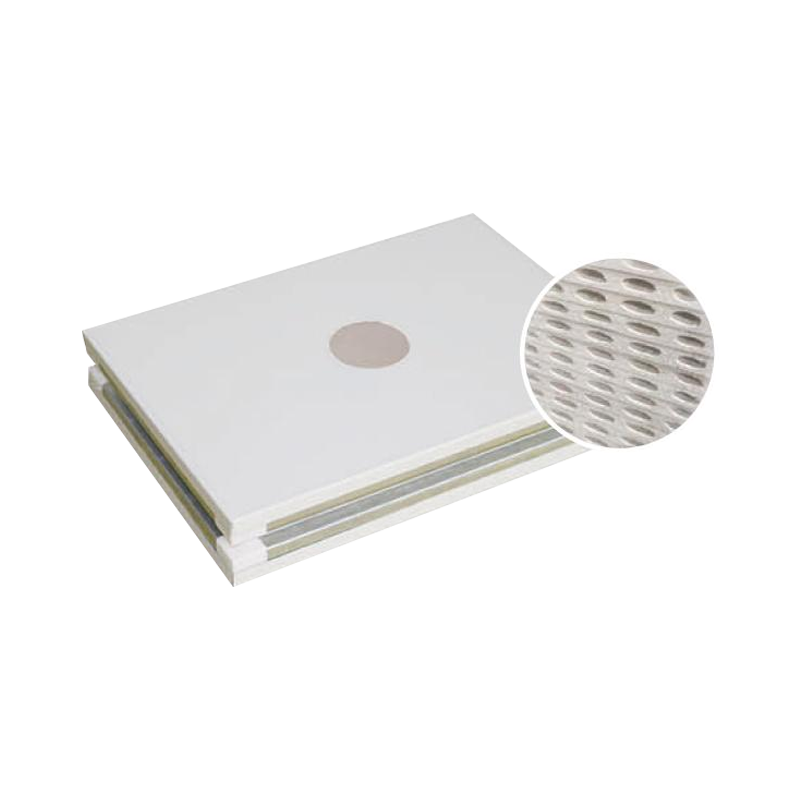
Handmade Cleanroom Panels Supplier
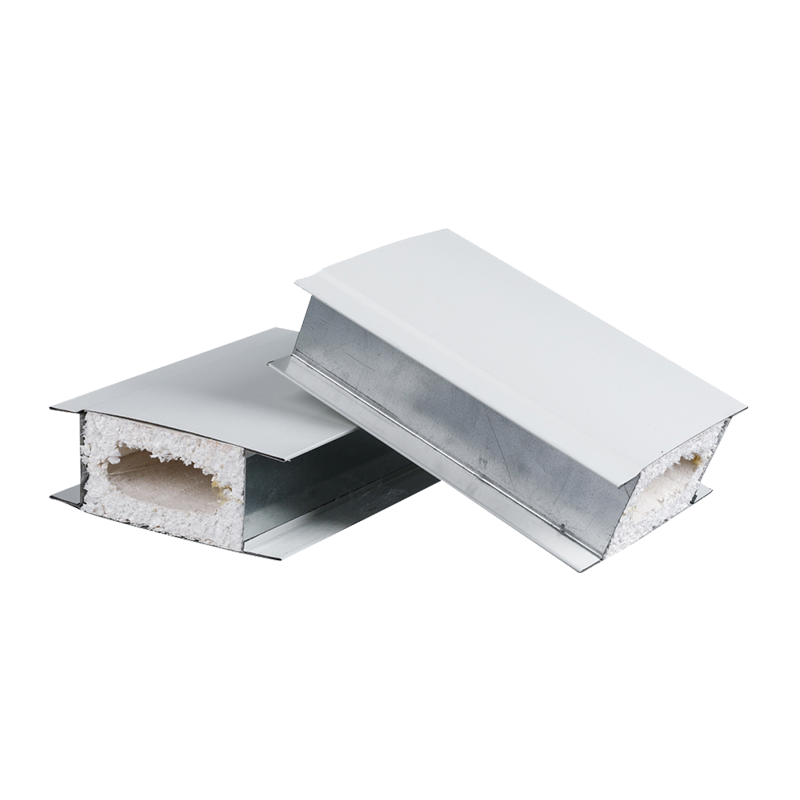
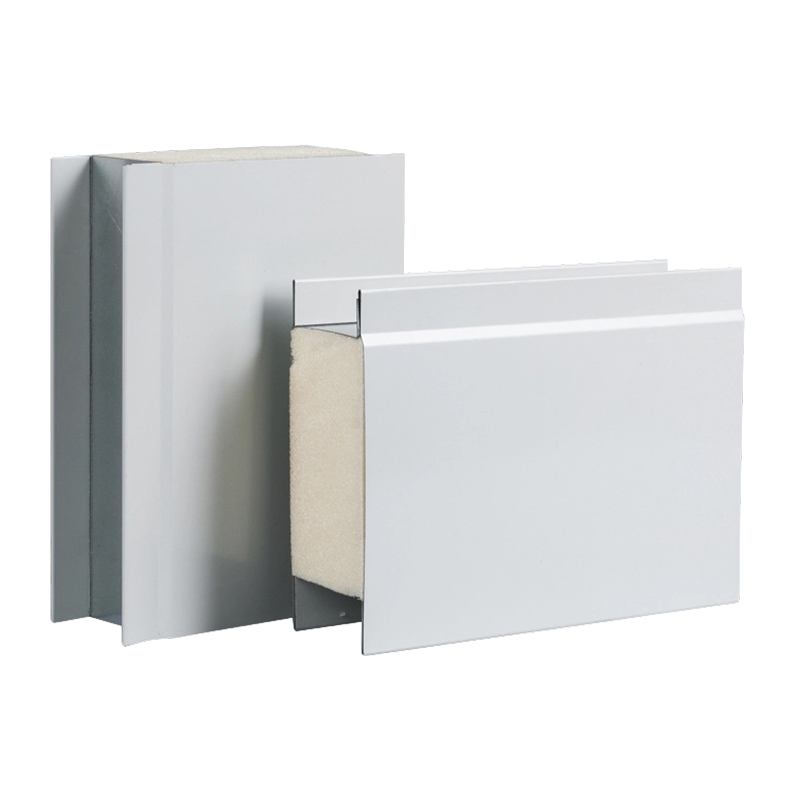
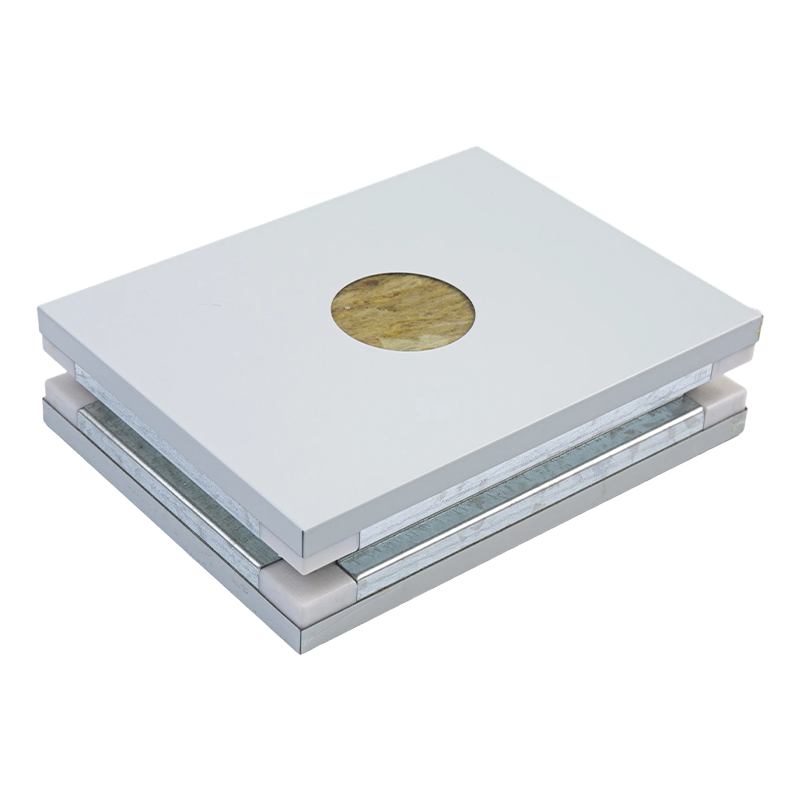
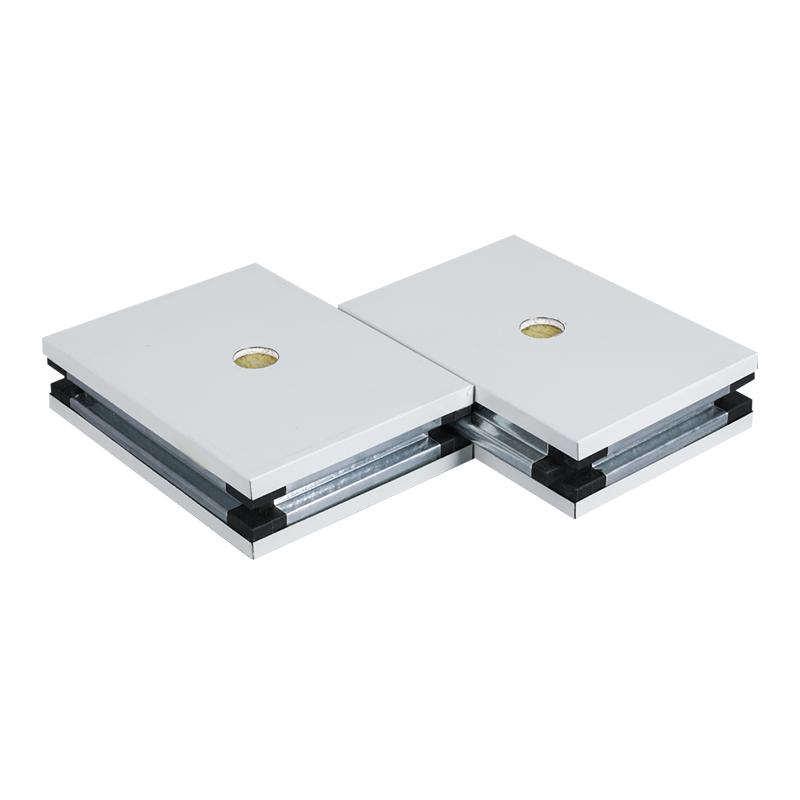
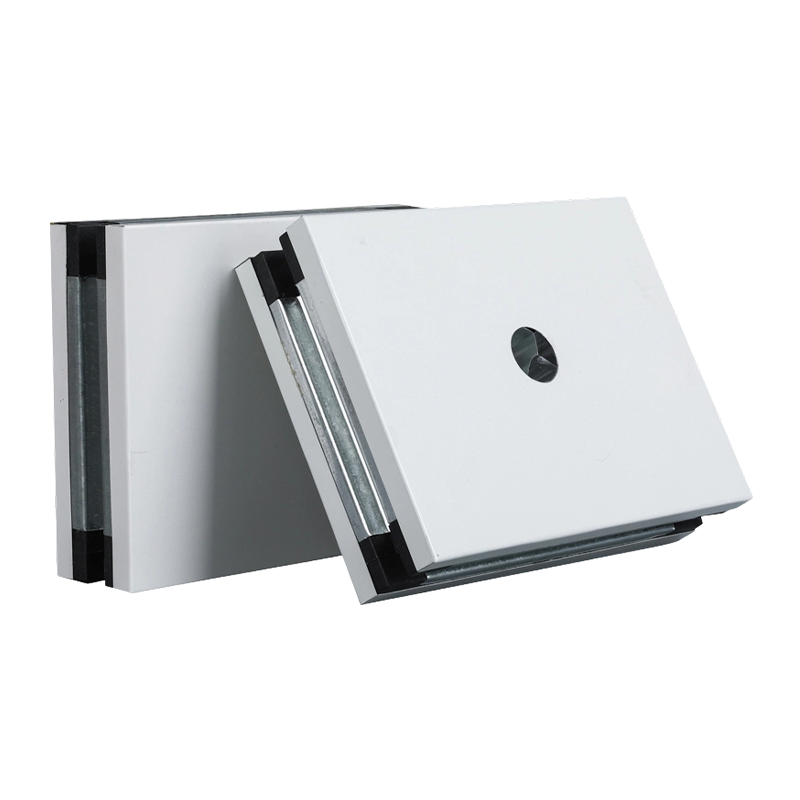
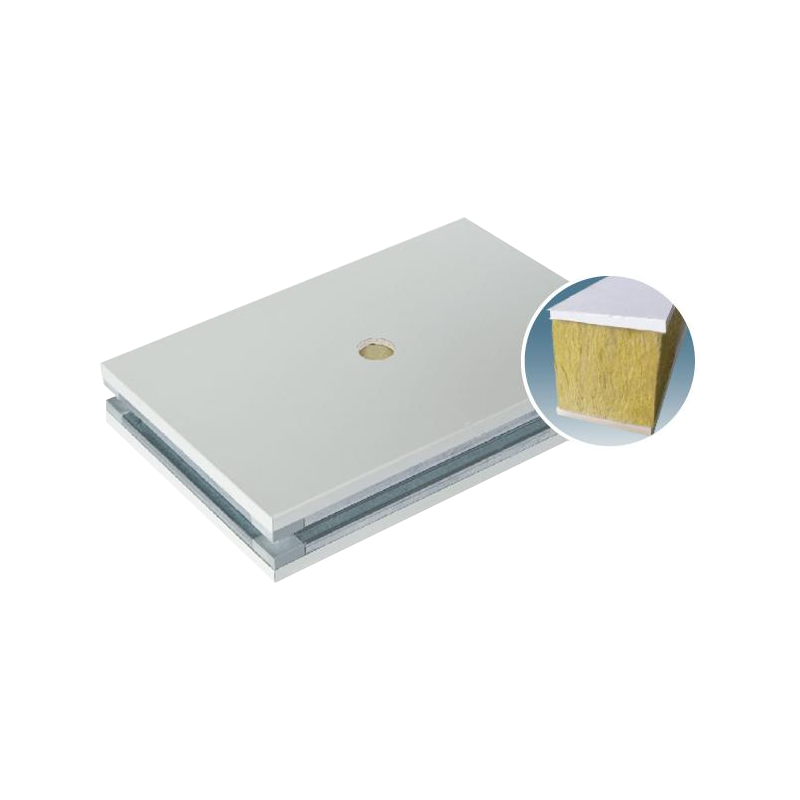
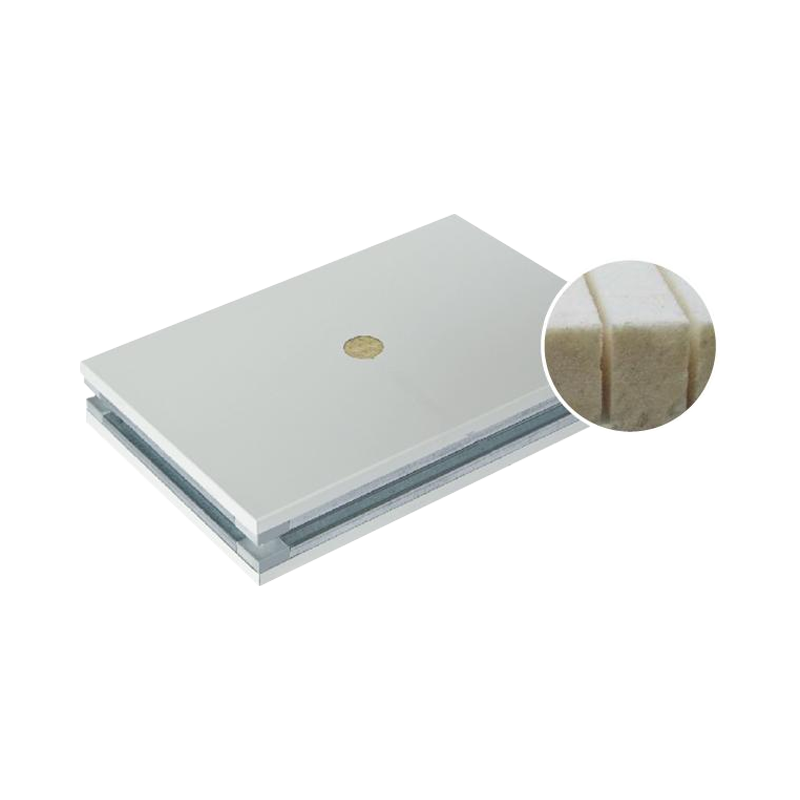
Handmade cleanroom panels are a type of reinforced composite cleanroom panel. The product is manufactured using a combination of semi-mechanical and manual processes, allowing for custom lengths and widths according to project requirements. They can be assembled and disassembled multiple times, making installation convenient and providing significant overall benefits.
Surface Material: Color-coated steel plate, galvanized steel plate, stainless steel plate, anti-static plate, corrosion-resistant plate, and other specific cleanroom materials.
Internal Core Material: The core material can be rock wool, paper (aluminum) honeycomb, polyurethane (PU), polystyrene (EPS), extruded polystyrene (PE), hollow magnesium oxide board, silicon rock board, magnesium oxysulfate board, magnesium oxide board, gypsum board, etc.
Structural Frame: The perimeter uses galvanized steel strip keel, aluminum profile keel, or plastic steel keel.
Product Features:
Handmade panels offer high strength, sound insulation, heat insulation, thermal insulation, seismic resistance, customizable dimensions, convenient connection, easy disassembly, concealed core material, and convenient construction.
Specifications:
Color steel plate thickness: generally 0.426mmt~0.7mmt;
Thickness: 50mmt, 75mmt, 100mmt, 150mmt, 200mmt;
Width: Commonly 1180mm, 1150mm, 980mm, non-standard panels available in any width;
Length: Can be manufactured according to requirements;
Connection: Commonly uses H-shaped aluminum, H-shaped steel, and tongue-and-groove connections.
Application Scope:
Widely used in cleanroom enclosures and ceilings for high-tech electronics, pharmaceuticals, chemicals, food, and other industries; industrial plants, warehouses, cold storage facilities, ovens, air conditioner wall panels, and other cleanroom applications.
Product Variety: Available in rock wool color steel panels, magnesium oxide rock wool color steel panels, hollow magnesium oxide color steel panels, polyurethane color steel panels, aluminum (paper) honeycomb color steel panels, gypsum rock wool color steel panels, silicon rock color steel panels, and magnesium oxysulfate color steel panels. Special core materials and specifications can also be manufactured according to customer needs. Physicochemical Properties: The product's steel surface has a high-grade polyester baked coating, aluminum-zinc coating, or stainless steel plate, thus providing good corrosion resistance; the core material can be customized according to customer requirements.
Product Categories
About Kaisier
Kaisier Cleans the Globe Tech Empowers Tomorrow
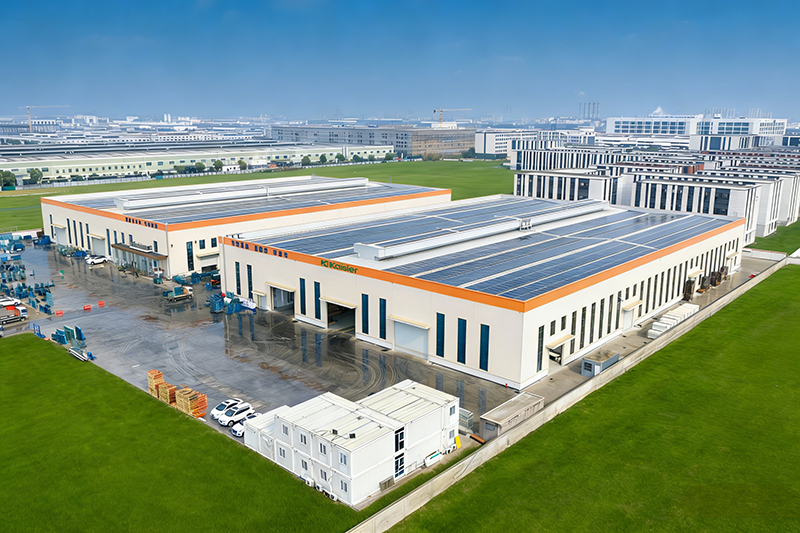
Zhejiang Kaisier Clean Technology Co.,Ltd. upholding the brand mission of "Kaisier Cleans the Globe, Tech Empowers Tomorrow", Zhejiang Kaisier Clean Technology Co., Ltd. and its Thai subsidiary are a technology-driven enterprise in the clean industry with a global layout. The company has built four modern production bases in China and Thailand, forming a "domestic coordination + international radiation" capacity network equipped with intelligent production lines and precision testing equipment to ensure stable and efficient supply.
We are a China Custom Handmade Cleanroom Panels Factory and Handmade Cleanroom Panels Supplier, specialize in R&D, production and sales of a full range of clean panels, including color steel sandwich panels, rock wool clean panels and magnesium oxide clean panels, which can meet the stringent requirements of Class 100 to Class 300,000 air purification projects. Our products lead the world in fire resistance, antibacterial and antistatic performance, and are widely applied in high-end fields such as healthcare, electronics and food industries, providing one-stop services from solution design to after-sales support. With technological innovation as the core and the philosophy of "precision engineering for ultimate cleanliness", we are committed to delivering safe and reliable clean space solutions for global customers.
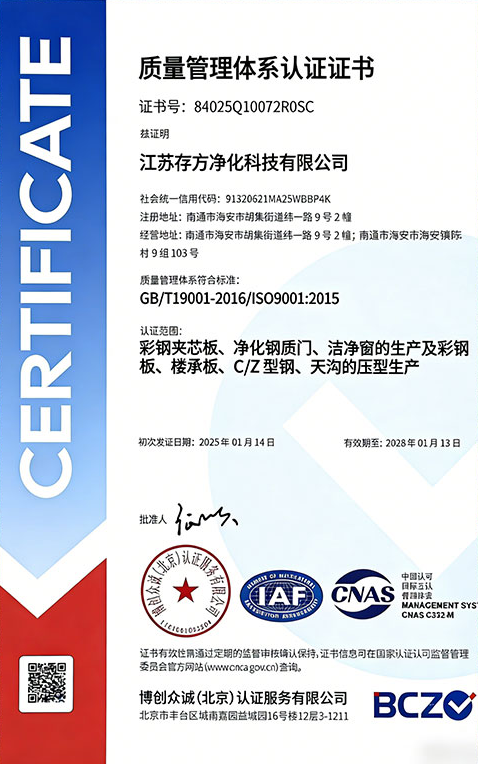
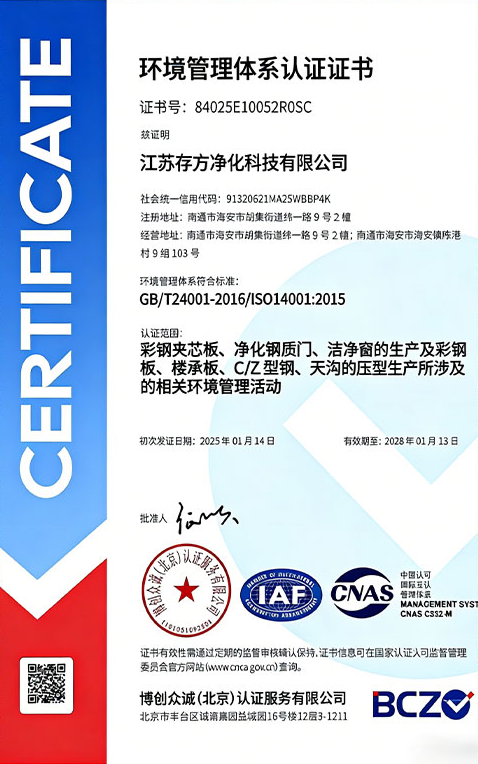
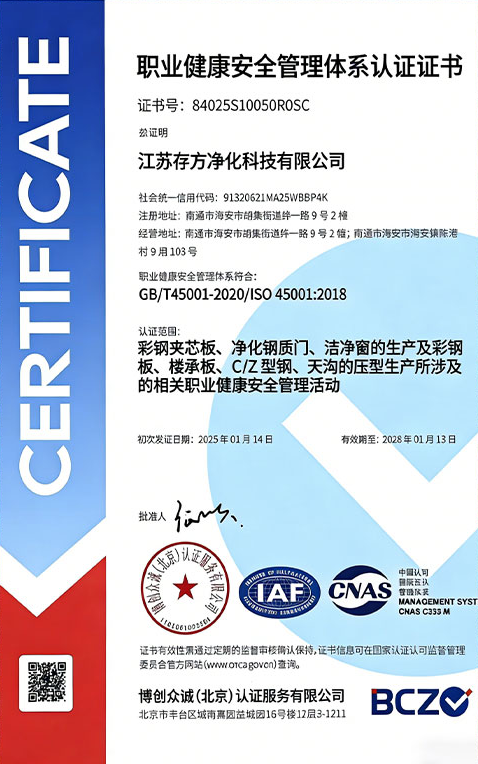
Certificate Of Honor
Our Latest News
Message Feedback
Handmade cleanroom panels Industry knowledge
In cleanroom projects requiring high load-bearing capacity, high flatness, and repeated disassembly/reassembly, handmade cleanroom panels — with their unique perimeter reinforced frames and custom production capabilities — significantly outperform standard machine-made panels. The clear conclusion is: For ISO Class 6 (Class 1,000) and above clean zones, where suspended loads exceed 50 kg/m², or where frequent process layout changes are anticipated, handmade cleanroom panels must be selected. Although initial investment is about 30%-40% higher than machine-made panels, their total lifecycle value (especially considering cleanroom retrofits and production loss) is superior. The following provides in-depth technical reference from four dimensions: structural parameters, core material selection, installation connections, and real-world cases.
Structure Determines Performance: Frame and Specification System of Handmade Panels
The core feature of handmade cleanroom panels is the perimeter sealing using galvanized steel strip, aluminum alloy, or plastic-steel keel, forming a closed frame structure. This design allows arbitrary customization of panel length (typically 2m–6m) and widths beyond machine-made limitations (common widths 1180mm, 1150mm, 980mm; non-standard widths can be arbitrarily customized). Typical performance for different thicknesses is shown below:
| Panel Thickness (mm) | Recommended Steel Gauge (mm) | Flexural Strength (MPa) | Single-Point Hanging Capacity (kg) | Application Scenario |
|---|---|---|---|---|
| 50 | 0.5-0.6 | ≥2.2 | 100 | Electronics workshop partitions, general ceilings |
| 75 | 0.6-0.7 | ≥3.0 | 150 | Pharmaceutical filling rooms, main load-bearing FFU ceilings |
| 100 | 0.7-0.8 | ≥3.8 | 200 | Heavy equipment suspension, high-airtightness cleanrooms |
Core Material Selection Guide: Application Scenarios for Seven Mainstream Core Types
The core material of handmade cleanroom panels determines fire resistance, thermal insulation, strength, and cost. A quantitative comparison of seven common core materials is shown below:
| Core Material | Fire Rating | Thermal Conductivity (W/m·K) | Relative Cost | Recommended Application |
|---|---|---|---|---|
| Rock Wool | Class A | 0.040 | Baseline | Pharmaceutical, electronics, strict fire-control areas |
| Aluminum Honeycomb | Class B1 | 0.080 | +50% | High-load ceilings, semiconductor cleanrooms |
| Magnesium Oxysulfate | Class A | 0.098 | +25% | Humid environments, food workshops, cold storage |
| Polyurethane (PU) | Class B1/B2 | 0.024 | +15% | Temperature-controlled cleanrooms, high energy-efficiency projects |
| Gypsum Rock Wool Composite | Class A | 0.045 | +10% | Hospital operating rooms, clean corridors |
| Paper Honeycomb | Class B2 | 0.075 | -20% | Temporary clean zones, low-budget non-load-bearing partitions |
Connections & Installation: Three Mainstream Joint Techniques
The connection method of handmade cleanroom panels directly affects cleanroom airtightness and construction efficiency. The three common methods are as follows:
- H-shaped aluminum/steel connection: Special H-profiles are inserted between panels. Fast installation speed, suitable for large-area partitions. However, the gap between H-profile and panel must be ≤0.5 mm, and a sealing gasket must be placed inside the profile. Typical application: Class 10,000 zone partitions in electronics factories.
- Tongue-and-groove connection: Panel edges are formed into male-female mating profiles with an integrated sealing gasket. Best airtightness, but requires high manufacturing precision. Tongue depth is typically 8–12 mm. This connection method is most suitable for ISO Class 6 and above cleanrooms, achieving air leakage ≤0.3 m³/(h·m²) @100Pa.
- Center aluminum frame connection: An aluminum alloy frame is pre-installed between panel joints, then covered with a snap-on cap. This connection allows bidirectional disassembly, facilitating later equipment replacement, and is commonly used in biopharmaceutical workshops.
Regardless of the connection method, a neutral mildew-resistant silicone sealant must be applied at panel joints, with joint width controlled at 3–5 mm, and the cured surface should form a concave arc shape to avoid dust accumulation. For ceiling-mounted handmade panels, each suspension point must be located at the reinforced frame position — drilling holes in the middle of the panel for hanging is strictly prohibited.
Real-World Case: Cost Advantages of Handmade Panels in Retrofit Projects
Take the retrofit of a pilot plant for a biopharmaceutical company as an example. The original partition used machine-made rock wool panels. When process changes required a new layout, almost all panels were scrapped during disassembly, and the replacement cost was approximately USD 62,000. In contrast, another workshop in the same facility initially installed aluminum honeycomb handmade panels with H-shaped aluminum connections. During an identical retrofit, 95% of the panels were completely disassembled and reused, with only 10% waste and new sealant required, reducing the retrofit cost to approximately USD 16,500. This clearly demonstrates: for cleanroom projects where future retrofits are anticipated, the additional initial investment in handmade panels (approximately +35%) can be recovered after just one retrofit.
Additionally, the damage rate during transport for oversized handmade panels (single panel >4 meters) is only one-third that of machine-made panels (approximately 2% vs. 6%). Thanks to the perimeter steel band protection, edge damage during on-site handling is also significantly reduced. Considering total installation waste, reconfiguration flexibility, and long-term durability, handmade cleanroom panels have become the de facto standard for high-specification cleanroom systems.
Frequently Asked Questions (FAQ) About Handmade Cleanroom Panels
1. How many times can handmade cleanroom panels be disassembled and reassembled without compromising performance?
According to industry testing and real project feedback, handmade panels using H-shaped aluminum or center aluminum frame connections can be disassembled and reassembled 3–5 times under normal operation while maintaining original airtightness and mechanical properties. The key is to replace sealing gaskets and reapply sealant each time. Tongue-and-groove connection panels allow slightly fewer cycles (approximately 2–3 times) because the tongue-and-groove edges may experience micro-deformation after repeated insertion and removal. For R&D laboratories or pilot plants requiring frequent layout changes, aluminum honeycomb core + center aluminum frame connection handmade panels are recommended.
2. What is the actual price difference between handmade and machine-made cleanroom panels?
Using 50mm thick rock wool core with 0.5mm double-sided color-coated steel as an example: machine-made panels cost approximately USD 28–36/m², while handmade panels (with perimeter galvanized steel band sealing) cost approximately USD 42–52/m² — handmade panels are about 30%–50% higher. However, when factoring in transportation waste (handmade 2%–3% vs. machine-made 5%–8%), installation efficiency, and future retrofit costs, for projects expected to last more than 5 years or with potential reconfiguration, handmade panels actually offer better total lifecycle value. For high-end cleanrooms (ISO Class 6 and above), handmade panels are already the industry default, and price difference is no longer the primary decision factor.
3. Can the length and width of handmade cleanroom panels be arbitrarily customized? Are there any limitations?
One of the greatest advantages of handmade panels is dimensional flexibility:
- Width: Common widths 1180mm, 1150mm, 980mm; non-standard widths can be arbitrarily customized within 300mm–1500mm;
- Length: Typically 2m–6m; some manufacturers can produce up to 8m or even 12m (requiring additional stiffeners);
- Limitations: When the length-to-width ratio exceeds 5:1, it is recommended to increase frame thickness or add internal ribs; otherwise, lateral bending may occur during transport and installation. Thickness (50–200mm) and steel gauge (0.426–0.8mm) can also be customized per project requirements.
4. How can handmade cleanroom panels avoid corrosion in humid environments (e.g., food workshops, cold storage)?
For high-humidity or frequent wash-down environments, the following combination of measures is recommended: ① Use 304 or 316 stainless steel facing (thickness ≥0.5mm) or high-durability PVDF-coated color steel; ② Choose magnesium oxysulfate or polyurethane core to avoid rock wool moisture absorption and sagging; ③ Upgrade perimeter sealing from galvanized steel to aluminum alloy or stainless steel; ④ Use mold-resistant sealant for all joints, with a smooth, non-absorbent cured surface. With this configuration, handmade panels can achieve a service life of more than 10 years in cold storage environments with 85% relative humidity and temperatures of 5–15°C, whereas standard galvanized steel-banded handmade panels may show edge corrosion within 2–3 years under the same conditions.
5. How can I judge whether the production quality of handmade cleanroom panels is acceptable? What are the key on-site acceptance points?
On-site acceptance should focus on the following five items:
- Visual inspection: No obvious scratches, color variation, or bubbles on the surface. Scratches deeper than 0.1 mm should be rejected;
- Dimensional tolerance: Length/width deviation ≤±2 mm, diagonal deviation ≤2 mm/m, thickness deviation ≤±0.5 mm;
- Frame strength: Perimeter steel bands should be tightly bonded to the core; pressing the frame by hand should not show significant elastic movement;
- Core density: Rock wool or magnesium oxysulfate cores should have no voids or delamination. Check by tapping and listening — voids produce a noticeably hollow sound;
- Peel strength test: The adhesive strength between steel sheet and core should be ≥0.06 MPa. Simple field test: pry a small corner with a blade; if core material adheres to the steel sheet rather than separating cleanly, it is acceptable.

- E-Mail: [email protected]
- Tel: +86 18968239620
- Address: Room No.905, He Yuan Mansion, No. 382, Tianda Lane, Ningbo Southern Business District, Yinzhou Ningbo China
Quick Links
Contact Us
? Copyright Zhejiang Kaisier Clean Technology Co.,Ltd.
All Rights Reserved.
 Custom Handmade Cleanroom Panels Factory
Handmade Cleanroom Panels Supplier
Custom Handmade Cleanroom Panels Factory
Handmade Cleanroom Panels Supplier
-
+86 18968239620
-
-
