

 en
en
 English
 русский
 Español
 عربى
عربى ไทย
ไทย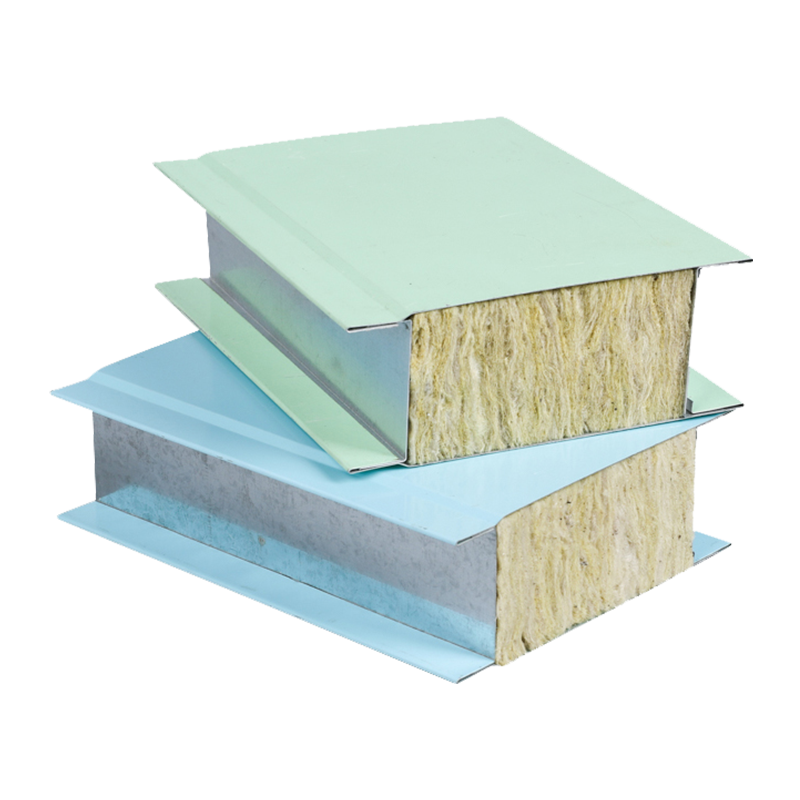

-
Kaisier Clean Technology Announces Official Operation of New Thailand Production Base, Enhancing Global Supply Chain Resilience
Jan, 30, 2026
Industry NewsZhejiang Kaisier Clean Technology Co., Ltd., a leading provider of high-performance cleanroom solutions, is proud to announce the official commencement of operations at its state-of-the-art production base in Thailand, u... -
Kaiser Unveils Next-Gen Antimicrobial Clean Panel Series, Setting New Benchmark for Healthcare & High-Tech Facilities
Jan, 30, 2026
Industry NewsInnovating at the intersection of safety and purity, Zhejiang Kaiser Clean Technology Co., Ltd. has launched its next-generation clean panel series, engineered with proprietary advanced surface treatment technology. This... -
Kaisier Clean Technology Showcases Total Cleanroom Solutions at SEMICON Southeast Asia 2024, Highlighting “One-Stop Service” Model
Jan, 30, 2026
Industry NewsZhejiang Kaisier Clean Technology Co., Ltd., together with its Thai subsidiary, successfully participated as an exhibitor at SEMICON Southeast Asia 2024, one of the region’s premier events for the microelectronics manufa...
Cleanroom door Manufacturer
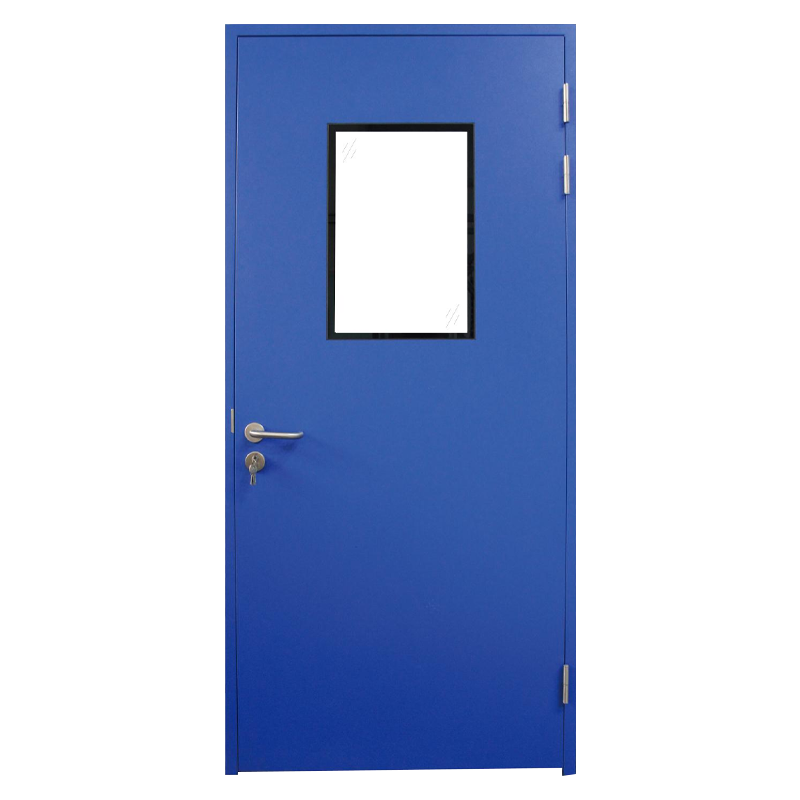
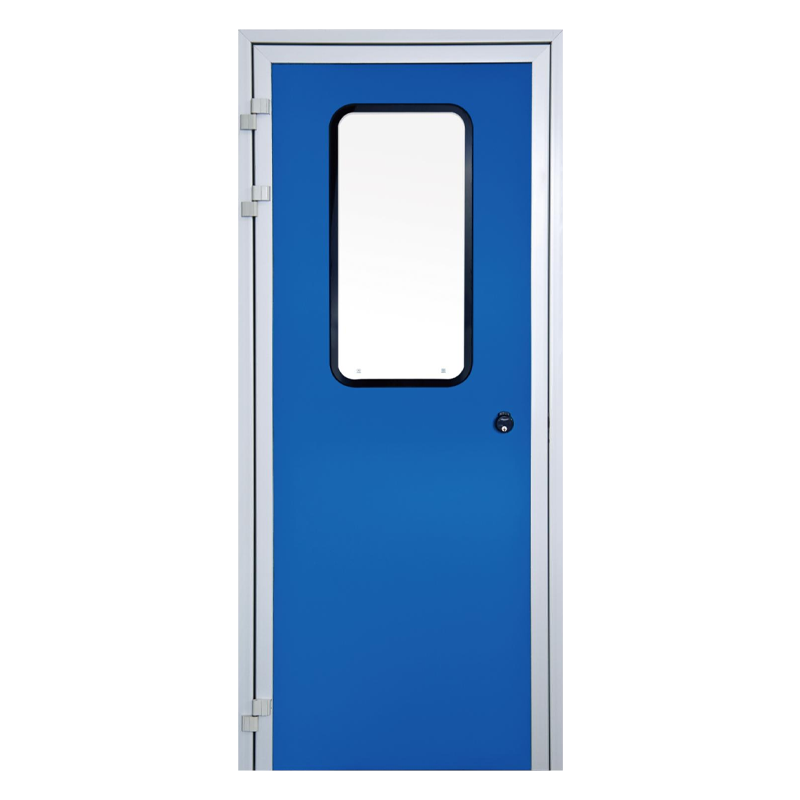
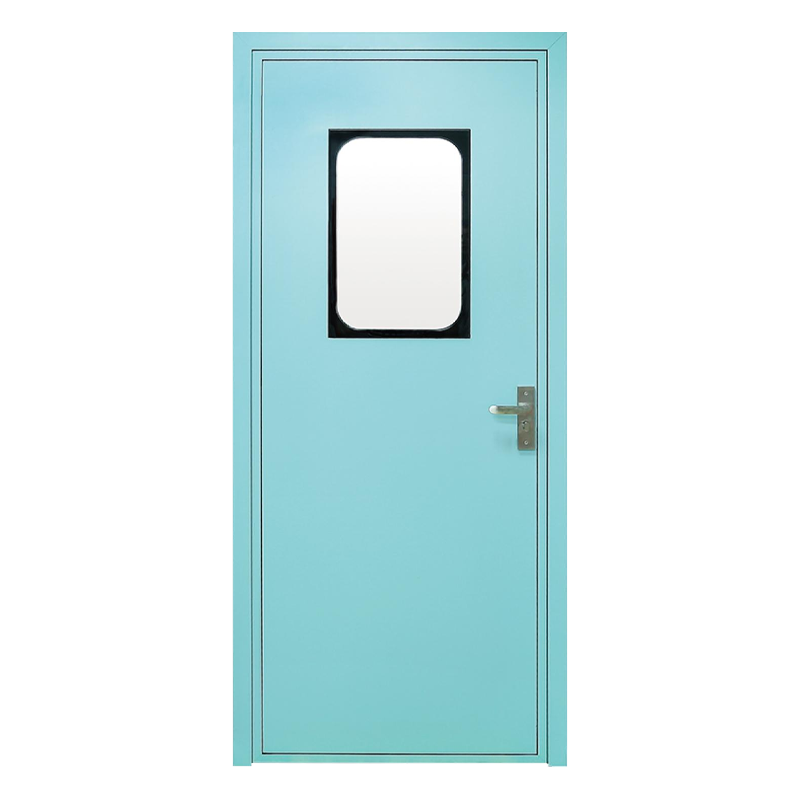
The cleanroom door opens and closes smoothly, conveniently, and reliably, meeting special requirements such as airtightness, sound insulation, and intelligent control. Rubber seals are installed on all sides of the door panel, sealing the gaps between the door panel and the door frame, providing excellent airtightness, preventing dust and bacteria ingress, and reducing air leakage to ensure the desired air pressure gradient distribution between adjacent rooms.
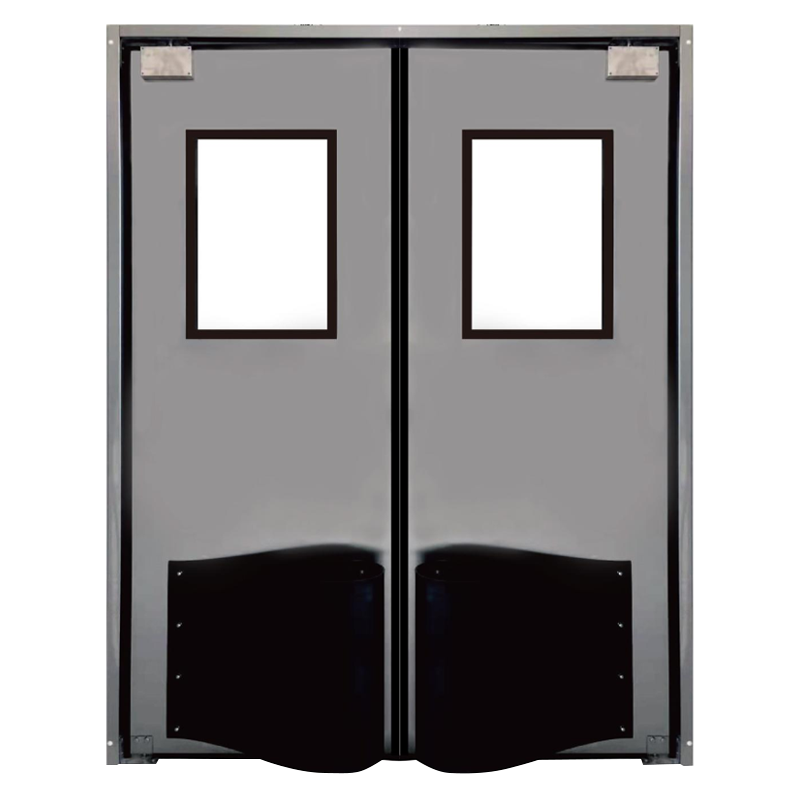
The door's observation window uses a double-layered tempered glass design with silicone sealant applied to all four sides, ensuring a very tight and reliable seal. The inner corners are treated with rounded or right-angle edges, resulting in a beautiful and elegant appearance. Desiccant can be placed inside the observation window to prevent condensation and water droplets from forming on the glass surfaces over time in humid environments. A stainless steel anti-collision strip can be installed at the waist of the door panel to prevent damage from accidental collisions with trolleys. The door is equipped with sealing strips on three sides and a lifting sweep strip at the bottom, meeting the requirements of the cleanroom industry.
Product Categories
About Kaisier
Kaisier Cleans the Globe Tech Empowers Tomorrow
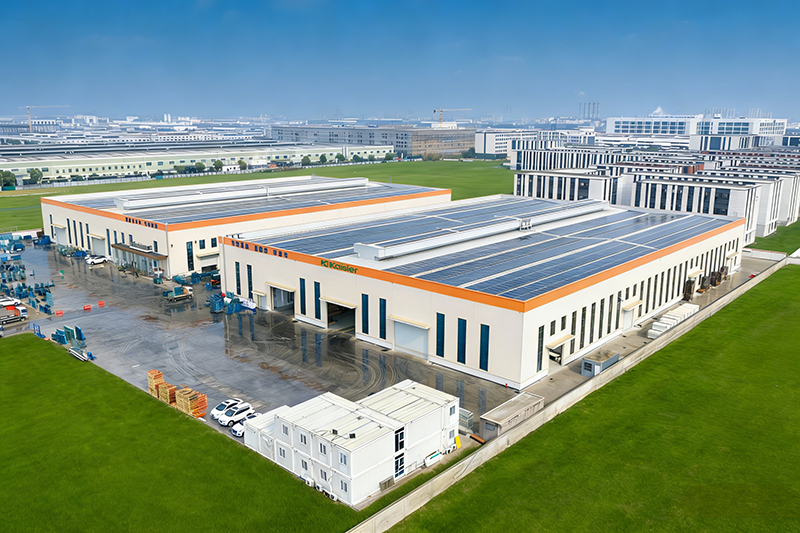
Zhejiang Kaisier Clean Technology Co.,Ltd. upholding the brand mission of "Kaisier Cleans the Globe, Tech Empowers Tomorrow", Zhejiang Kaisier Clean Technology Co., Ltd. and its Thai subsidiary are a technology-driven enterprise in the clean industry with a global layout. The company has built four modern production bases in China and Thailand, forming a "domestic coordination + international radiation" capacity network equipped with intelligent production lines and precision testing equipment to ensure stable and efficient supply.
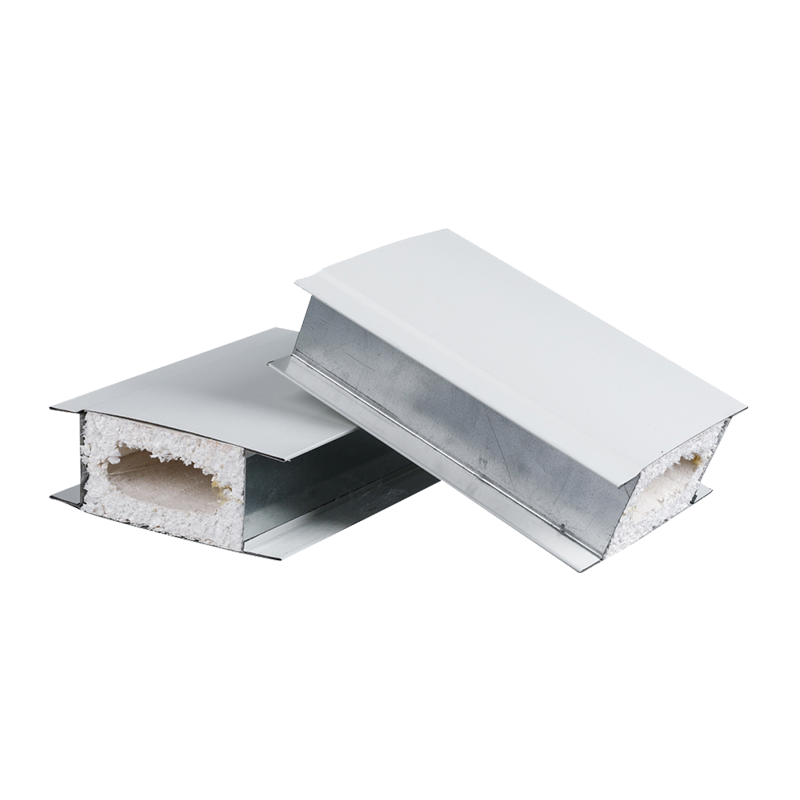
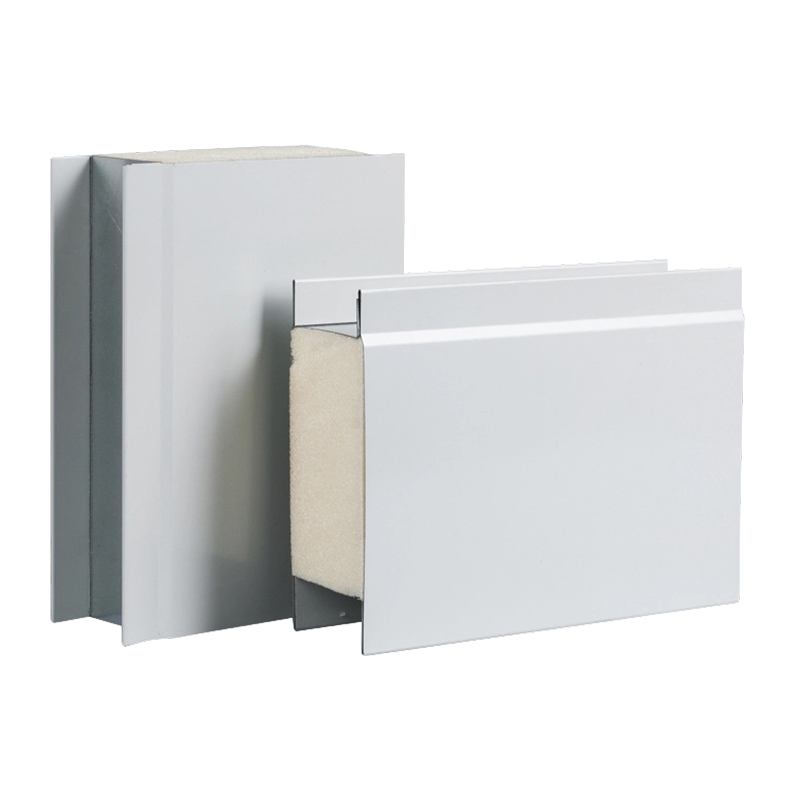
We are a China OEM/ODM Cleanroom door Company and Cleanroom door Manufacturer, specialize in R&D, production and sales of a full range of clean panels, including color steel sandwich panels, rock wool clean panels and magnesium oxide clean panels, which can meet the stringent requirements of Class 100 to Class 300,000 air purification projects. Our products lead the world in fire resistance, antibacterial and antistatic performance, and are widely applied in high-end fields such as healthcare, electronics and food industries, providing one-stop services from solution design to after-sales support. With technological innovation as the core and the philosophy of "precision engineering for ultimate cleanliness", we are committed to delivering safe and reliable clean space solutions for global customers.
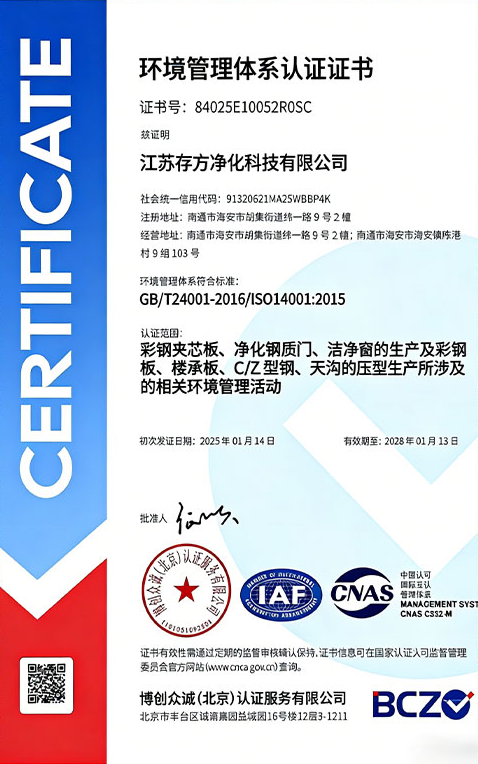
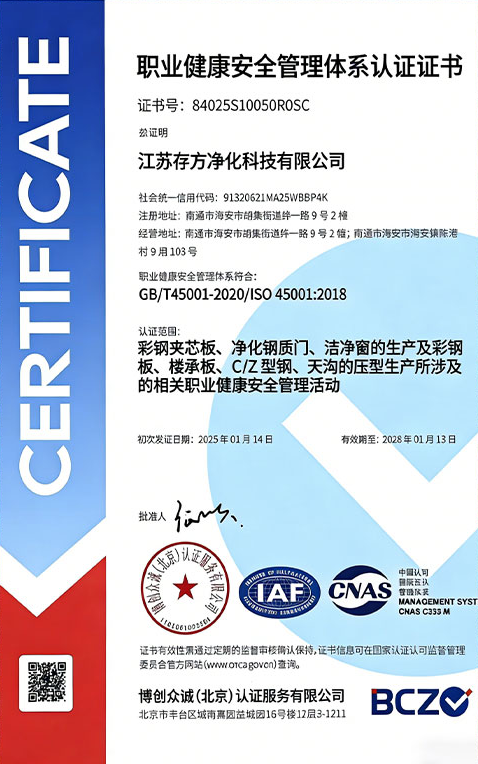
Certificate Of Honor
Our Latest News
Message Feedback
Cleanroom door Industry knowledge
In cleanroom systems, doors are not merely passageways for personnel and materials — they are critical nodes for maintaining pressure differential gradients, preventing particle ingress, and stopping cross-contamination. The clear conclusion is: A qualified cleanroom door must simultaneously meet four requirements — airtightness (air leakage ≤0.3 m³/(h·m²) @100Pa), cycle life (≥500,000 operations), antibacterial/corrosion resistance, and intelligent interlock control — and failure in any of these areas can lead to loss of cleanliness, often with consequences more severe than wall panel leakage. The following provides in-depth technical reference from six dimensions: core performance indicators, door construction and materials, sealing systems, viewing window design, hardware selection, and installation acceptance.
Core Performance Indicators: Four Key Technical Parameters for Cleanroom Doors
The performance of cleanroom doors can be directly quantified and evaluated. The following are four industry-recognized core indicators:
| Performance Indicator | Industry Benchmark | High-Quality Product Typical Value | Practical Significance for Cleanrooms |
|---|---|---|---|
| Airtightness (Air Leakage @100Pa) | ≤0.5 m³/(h·m²) | ≤0.3 m³/(h·m²) | Maintains pressure gradients between adjacent rooms, prevents unfiltered air infiltration |
| Mechanical Life (Cycles) | ≥200,000 cycles | ≥500,000 cycles (some high-end products ≥1,000,000 cycles) | Ensures 10+ years of stable use, reduces maintenance frequency |
| Opening/Closing Force (N) | ≤80N | ≤50N (opening) / ≤30N (closing) | Smooth personnel passage, prevents doors from being left ajar |
| Surface Roughness Ra (μm) | ≤0.8 | ≤0.4 (stainless steel) / ≤0.6 (color steel) | Easy to clean and disinfect, no dust accumulation, meets GMP requirements |
Door Construction and Materials: Performance Comparison of Three Mainstream Types
Cleanroom doors are primarily divided into three types based on application scenarios and cleanliness levels:
| Door Type | Facing Material | Core Material | Applicable Cleanliness Class | Typical Applications | Relative Cost |
|---|---|---|---|---|---|
| Stainless Steel Cleanroom Door | 304/316L Stainless Steel | Rock Wool/Aluminum Honeycomb | ISO 5-8 | Pharmaceutical, food, corrosive environments | Baseline +40-60% |
| Color-Steel Cleanroom Door | Color-Coated Steel (PE/PVDF) | Rock Wool/Polyurethane | ISO 6-8 | Electronics, general pharmaceutical support areas | Baseline |
| High-Speed Roll-up Door | PVC/Polyester Fabric + Window | — | ISO 7-8 | Logistics passages, high-traffic areas | Baseline +15-25% |
Sealing System: Five Lines of Defense to Ensure Airtightness
The sealing performance of a cleanroom door is its core value. A complete sealing system consists of the following five layers:
- Three-sided magnetic sealing strip: Installed on the top and both sides of the door frame, made of medical-grade silicone or EPDM, with magnetic attraction ≥3 kg/m. Seal compression of 2-3mm when the door is closed ensures sealing without making closing difficult;
- Bottom automatic drop seal (sweep strip): Automatically lowers to contact the floor tightly when closed (drop height ≥15mm, gap to floor ≤1mm), and automatically lifts when opening. A dual-row brush + rubber scraper combination is recommended for both sealing and wear resistance;
- Concealed bottom sealing mechanism: For aseptic areas, pneumatically or electromagnetically driven concealed sealing strips are recommended to avoid exposed components that accumulate dust, while meeting GMP no-dead-corner requirements;
- Threshold design: Cleanroom doors should prioritize threshold-free or ramp-type threshold designs (height ≤15mm) for easy cart passage. For threshold-free designs, the floor must be continuously flat with the bottom seal directly contacting the floor;
- Viewing window sealing: The window perimeter must have dual seals — inner silicone sealant (continuous fill) and outer EPDM gasket — to ensure no gaps between glass and door panel.
Airtightness acceptance standard: At 50Pa differential pressure, the entire door's air leakage shall be ≤0.3 m³/(h·m²). Semi-annual smoke tracer testing using a smoke tube is recommended to check seal aging and installation defects.
Viewing Window Design: Condensation Prevention and Structural Reliability
The viewing window of a cleanroom door is not just a window — it is also a vulnerable point for airtightness. Design standards for high-quality viewing windows are as follows:
- Glass configuration: Double-layer tempered glass with single-layer thickness ≥4mm and total thickness ≥20mm. Tempered glass has 3-5 times the impact strength of ordinary glass and breaks into blunt particles for safety;
- Condensation prevention design: A 6-12mm air gap between glass layers, with the cavity filled with argon gas (concentration ≥90%) and molecular sieve desiccant, ensuring no internal condensation under temperature differences ≥15°C. For cold storage cleanrooms, electrically heated glass (50-100W/m²) is recommended;
- Sealing process: Continuous silicone sealant filling between the glass perimeter and door panel, with joint width 8-12mm and depth ≥5mm. The use of trim strips + gaskets is prohibited due to micro-gaps that accumulate dust;
- Corner treatment: Window frame inside corners should have R≥5mm rounded transitions or 45° mitered corners to avoid 90° corners that accumulate dust and are difficult to clean;
- Safety accessories: For high-impact areas such as logistics passages, stainless steel mesh or transparent polycarbonate guard plates should be installed on the outside of the glass, capable of withstanding 50 joules of impact energy without breaking.
In cleanrooms with relative humidity >75% or temperature differences ≥15°C, standard double glazing may develop internal condensation — argon-filled + Low-E coated glass must be selected. Desiccant typically lasts 3-5 years, after which replacement or maintenance is required.
Hardware and Accessories: Details Determine Reliability
The hardware of cleanroom doors must simultaneously meet requirements for durability, cleanability, and corrosion resistance. Key component selection recommendations are as follows:
| Hardware | Recommended Material | Key Performance Requirements | Acceptance Criteria |
|---|---|---|---|
| Hinges | 304 Stainless Steel | Load capacity ≥80kg, cycle life ≥500k operations | No sticking, no abnormal noise |
| Door Lock | 304 Stainless Steel | Electronic interlock / mechanical interlock function | Auto-unlock on power failure (egress requirement) |
| Handle | 304 Stainless Steel / Nylon | Smooth surface, no dead corners, optional antibacterial coating | Easy to clean, no dust accumulation |
| Door Closer | Aluminum Alloy + Stainless Steel | Adjustable speed, latching speed adjustable in stages | Closing time ≤3 seconds / 90° |
| Anti-Collision Strip | 304 Stainless Steel | Installed at waist level (approx. 1m above floor) | Width 80-120mm, rounded ends |
Intelligent Control and Interlock Systems
In high-level cleanrooms (ISO 5-7), intelligent door control is a key technology for preventing cross-contamination. Main features include:
- Electronic interlock: Both doors of an airlock cannot be opened simultaneously, with interlock response time ≤0.5 seconds. When one door opens to ≥90°, the other automatically locks to prevent pressure gradient disruption;
- Access control integration: Integrated with BMS, supporting card swipe, fingerprint, or facial recognition. Recognition time ≤1 second, with antibacterial coating on recognition device surfaces;
- Differential pressure monitoring: Miniature differential pressure sensors can be integrated into the door frame, displaying real-time pressure differences between adjacent rooms (range 0-125Pa, accuracy ≤±1Pa). Audible/visual alarm when differential pressure falls below setpoint (e.g., 5Pa);
- Timer control: Logistics doors can be set with an opening delay (10-30 seconds); if the door remains open beyond the set time, the system automatically closes it or triggers an alarm to prevent pressure differential loss;
- Seal status monitoring: High-end intelligent doors can be equipped with magnetic switches or proximity sensors to send alarm signals to the central control room when the door is not fully closed, logging events via BMS.
Interlock logic requirement: For material airlocks, the outer door must be opened first, materials placed, outer door closed, and only then can the inner door be opened — both doors must never be open simultaneously. Electronic interlock system reliability should achieve MTBF ≥50,000 hours. Monthly interlock function testing is recommended to ensure safety and reliability.
Installation and Acceptance: Nine Key On-Site Control Points
The installation quality of cleanroom doors directly affects their long-term performance and cleanliness effectiveness. The following are nine key inspection points for on-site acceptance:
- Door frame plumbness: Vertical deviation ≤2mm/m, horizontal deviation ≤1.5mm/m;
- Gap between door leaf and frame: Uniform and ≤3mm, gap variation ≤1mm;
- Seal compression: When door is closed, seal compression is 20%-30% of original thickness (typically 2-3mm measured);
- Bottom seal test: With door closed, use a 0.1mm feeler gauge to check gap between door bottom and floor — should be unable to insert or insert depth ≤50mm;
- Airtightness test: Use a smoke tube to release smoke around the door gap perimeter — no smoke penetration should be visible on the inside (tracer method); or use differential pressure leak detection, with air leakage ≤0.3 m³/(h·m²) at 50Pa;
- Opening/closing force test: Use a force gauge — opening force ≤50N, closing force ≤30N;
- Interlock function test: Simulate two-door interlock scenario to verify that when one door is fully opened, the other indeed cannot be opened;
- Emergency egress test: With power off, open the door from inside — opening force ≤67N, egress path unobstructed;
- Surface quality: No scratches, dents, or rust spots on door panel surface; coating adhesion ≥Grade 1 (cross-cut test); stainless steel panel Ra≤0.4μm.
A quarterly inspection system is recommended, focusing on seal aging/cracking, hinge looseness, door closer speed adjustment, and interlock system sensitivity. Address issues promptly through repair or replacement to ensure cleanroom doors remain in optimal sealing condition.

- E-Mail: [email protected]
- Tel: +86 18968239620
- Address: Room No.905, He Yuan Mansion, No. 382, Tianda Lane, Ningbo Southern Business District, Yinzhou Ningbo China
Quick Links
Contact Us
? Copyright Zhejiang Kaisier Clean Technology Co.,Ltd.
All Rights Reserved.
 OEM/ODM Cleanroom door Company
Cleanroom door Manufacturer
OEM/ODM Cleanroom door Company
Cleanroom door Manufacturer
-
+86 18968239620
-
-
