

 en
en
 English
 русский
 Español
 عربى
عربى ไทย
ไทย
-
Kaisier Clean Technology Announces Official Operation of New Thailand Production Base, Enhancing Global Supply Chain Resilience
Jan, 30, 2026
Industry NewsZhejiang Kaisier Clean Technology Co., Ltd., a leading provider of high-performance cleanroom solutions, is proud to announce the official commencement of operations at its state-of-the-art production base in Thailand, u... -
Kaiser Unveils Next-Gen Antimicrobial Clean Panel Series, Setting New Benchmark for Healthcare & High-Tech Facilities
Jan, 30, 2026
Industry NewsInnovating at the intersection of safety and purity, Zhejiang Kaiser Clean Technology Co., Ltd. has launched its next-generation clean panel series, engineered with proprietary advanced surface treatment technology. This... -
Kaisier Clean Technology Showcases Total Cleanroom Solutions at SEMICON Southeast Asia 2024, Highlighting “One-Stop Service” Model
Jan, 30, 2026
Industry NewsZhejiang Kaisier Clean Technology Co., Ltd., together with its Thai subsidiary, successfully participated as an exhibitor at SEMICON Southeast Asia 2024, one of the region’s premier events for the microelectronics manufa...
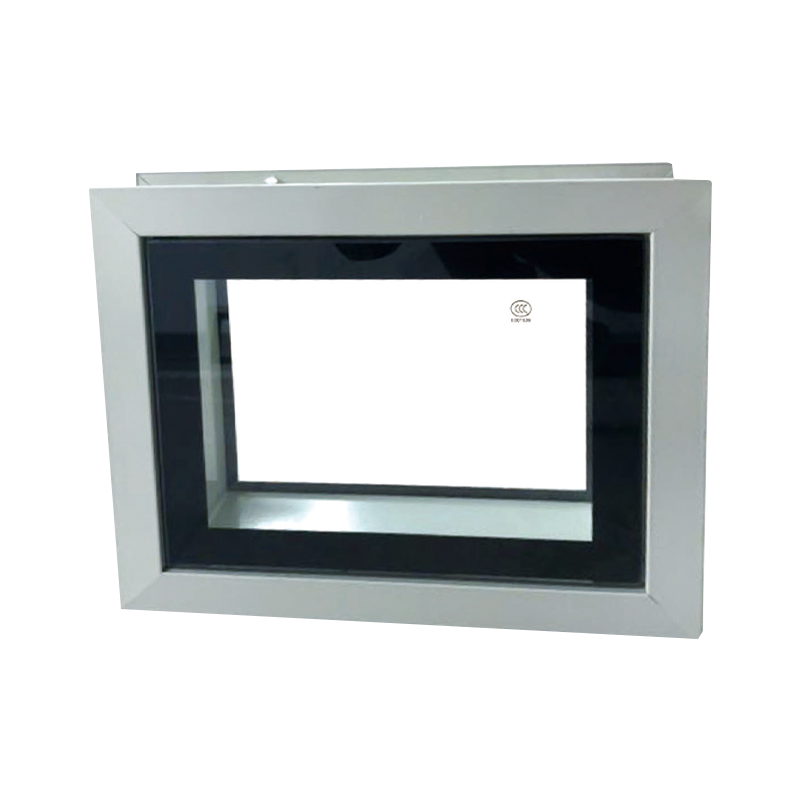
Cleanroom windows Manufacturer
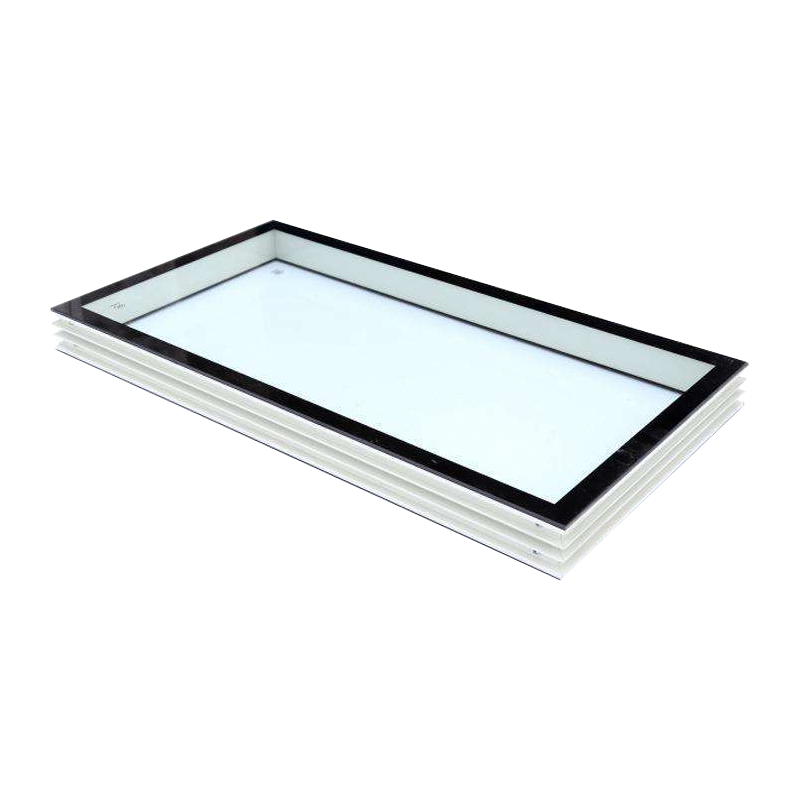
Cleanroom windows are high-performance window systems specifically designed for cleanroom environments. They are widely used in industries with stringent environmental requirements, such as pharmaceuticals, electronics, aerospace, and food processing. They not only provide basic lighting and ventilation but also play a crucial role in maintaining indoor cleanliness.
Function and Features:
The main function of cleanroom windows is to provide necessary lighting and external visibility to the cleanroom while minimizing the spread of particulate contamination. Cleanroom window designs prioritize airtightness, smoothness, and anti-contamination properties to prevent dust from entering the room.
Advantages and Characteristics:
High Sealing Performance: Cleanroom windows utilize special sealing materials and processes to ensure a tight seal between the window frame and the wall, preventing the entry of contaminants.
Easy to Clean: The surface of cleanroom windows is typically made of smooth materials that do not easily attract dust and particles, such as stainless steel or tempered glass. This makes cleaning easier and reduces the risk of contamination during the cleaning process.
Transparency and Thermal Insulation: Cleanroom windows offer good transparency, providing ample natural light and creating a more comfortable working environment. At the same time, the windows have good thermal insulation properties, maintaining a stable indoor temperature.
Product Categories
About Kaisier
Kaisier Cleans the Globe Tech Empowers Tomorrow
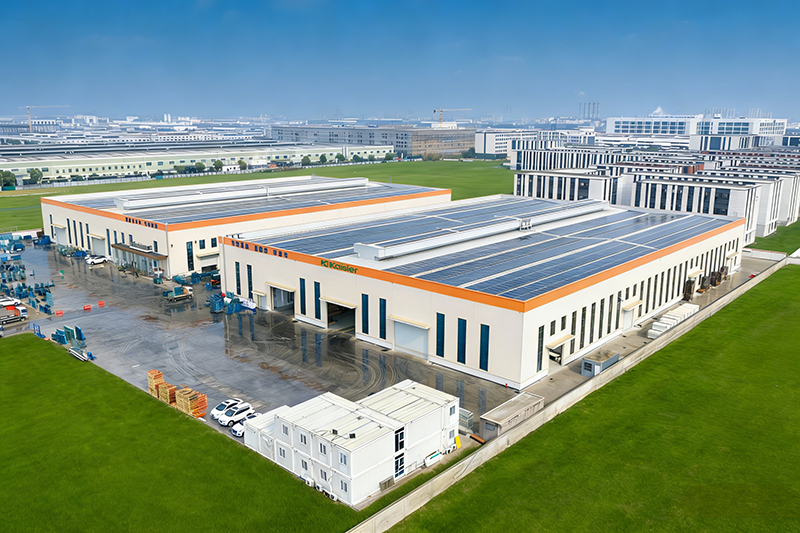
Zhejiang Kaisier Clean Technology Co.,Ltd. upholding the brand mission of "Kaisier Cleans the Globe, Tech Empowers Tomorrow", Zhejiang Kaisier Clean Technology Co., Ltd. and its Thai subsidiary are a technology-driven enterprise in the clean industry with a global layout. The company has built four modern production bases in China and Thailand, forming a "domestic coordination + international radiation" capacity network equipped with intelligent production lines and precision testing equipment to ensure stable and efficient supply.
We are a China OEM/ODM Cleanroom windows Company and Cleanroom windows Manufacturer, specialize in R&D, production and sales of a full range of clean panels, including color steel sandwich panels, rock wool clean panels and magnesium oxide clean panels, which can meet the stringent requirements of Class 100 to Class 300,000 air purification projects. Our products lead the world in fire resistance, antibacterial and antistatic performance, and are widely applied in high-end fields such as healthcare, electronics and food industries, providing one-stop services from solution design to after-sales support. With technological innovation as the core and the philosophy of "precision engineering for ultimate cleanliness", we are committed to delivering safe and reliable clean space solutions for global customers.
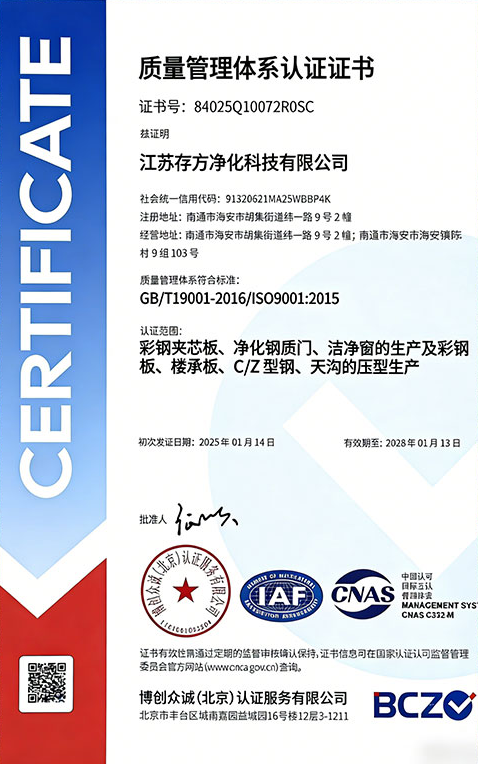
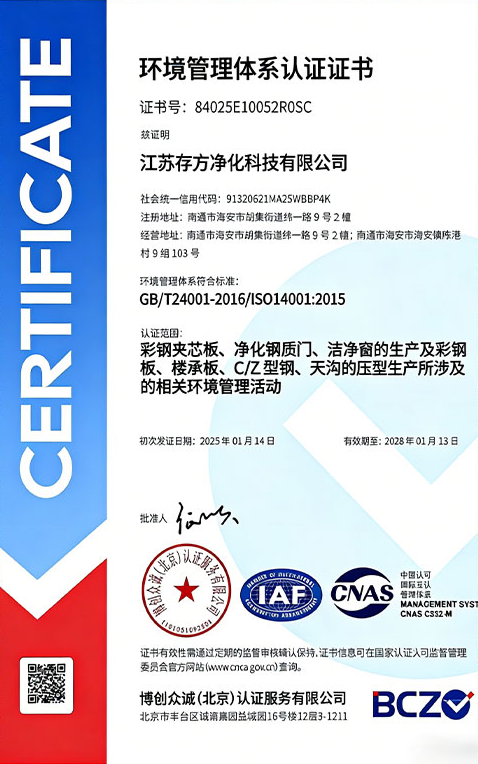
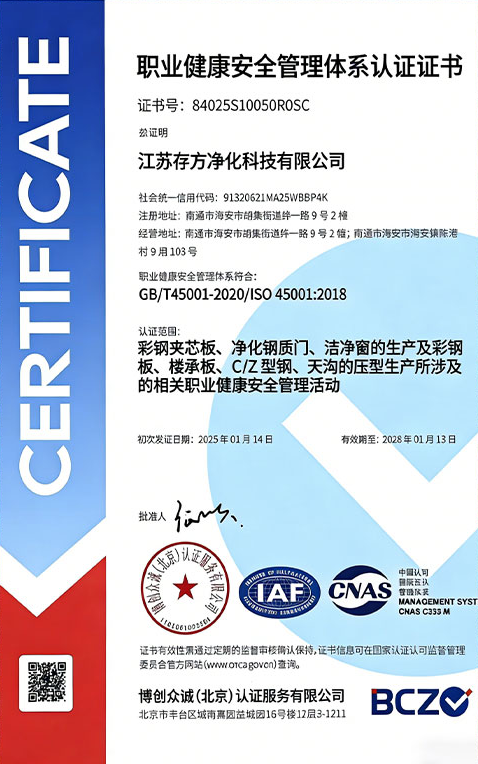
Certificate Of Honor
Our Latest News
Message Feedback
Cleanroom windows Industry knowledge
In cleanroom systems, windows not only provide natural lighting and external viewing capabilities but are also critical weak points for maintaining pressure differentials and preventing particle ingress. The clear conclusion is: A qualified cleanroom window must simultaneously meet four requirements — airtightness (air leakage ≤0.3 m³/(h·m²) @100Pa), surface smoothness (Ra≤0.8μm), condensation resistance, and disinfectant corrosion resistance — and its failure can compromise cleanliness more severely than an equivalent area of wall panel. The following provides in-depth technical reference from four dimensions: glass selection, sealing structure design, frame materials, and installation acceptance.
Glass Selection: Technical Parameter Comparison of Two Mainstream Types
The glass selection for cleanroom windows directly affects light transmittance, safety, and thermal insulation/condensation prevention performance. A detailed comparison of the two most commonly used glass types is shown below:
| Performance Indicator | Double Glazed Tempered Glass | Single Tempered Glass | Selection Advice |
|---|---|---|---|
| Light Transmittance (%) | 80-85% | 88-91% | Single layer has higher transmittance |
| Heat Transfer Coefficient K (W/m²·K) | ≤2.5 | 5.5-6.0 | Double layer offers significant energy savings |
| Impact Strength (multiple) | 3-5x ordinary glass | 3-5x ordinary glass | Both have comparable safety |
| Condensation Risk when ΔT ≥15°C | Low (with argon + desiccant) | High | Cold storage/temp-controlled rooms must use double layer |
| Relative Cost | Baseline +60-80% | Baseline | Short payback period for high energy-saving requirements |
Sealing Structure Design: Five Lines of Defense for Airtightness
The sealing performance of cleanroom windows is their core value. A complete sealing system consists of the following five layers:
- Silicone sealant between glass and frame: Neutral mildew-resistant silicone sealant must be used, with joint width 8-12mm and depth ≥5mm, continuous without interruption. The method of using trim strips + gaskets is prohibited because micro-gaps exist between the strip and glass;
- Flush sealing between frame and wall panel: The window frame and cleanroom panel should be joined using tongue-and-groove fit or sealant caulking, with gap ≤2mm, filled with neutral sealant;
- Double glazing cavity seal: The edge seal of insulating glass uses a dual-seal structure — the first seal is butyl rubber (hot-melt seal), the second is polysulfide or structural sealant, ensuring argon leakage rate ≤1%/year;
- Condensation prevention drying system inside glass: The cavity is filled with 3A or 4A molecular sieve desiccant, with moisture absorption capacity ≥25% of its own weight, ensuring no condensation at -40°C dew point;
- Pressure equalization holes between frame and wall (optional): For cleanrooms with strong pressure differential fluctuations, micro pressure equalization holes can be installed on the frame to prevent glass deformation or sealant damage caused by pressure differentials.
Airtightness acceptance standard: At 50Pa differential pressure, the entire window's air leakage shall be ≤0.3 m³/(h·m²). A smoke tracer test is recommended annually to check sealant aging.
Frame Material Comparison: Applicable Scenarios for Stainless Steel, Aluminum Alloy, and Color-Steel
The frame material selection for windows directly affects corrosion resistance, cleanability, and overall service life. A detailed comparison of three mainstream materials is shown below:
| Material | Corrosion Resistance | Surface Roughness Ra (μm) | Relative Cost | Applicable Scenarios |
|---|---|---|---|---|
| 304 Stainless Steel | Excellent | ≤0.4 | Baseline +50% | Pharmaceutical, food, corrosive environments |
| Aluminum Alloy (Anodized) | Good | ≤0.8 | Baseline | Electronics, general cleanrooms |
| Color-Steel (Roll-formed) | Fair | ≤0.8 | Baseline -15% | Low-budget areas, temporary cleanrooms |
Condensation Prevention Technology: Specialized Design for Cold Storage and Temperature-Controlled Cleanrooms
On viewing windows between cold storage (2-8°C) and temperature-controlled cleanrooms (20-24°C), temperature differences exceeding 15°C can easily cause condensation, which in severe cases can drip onto products below. Three effective condensation prevention measures are as follows:
- Argon filling + Low-E coating: Filling the cavity with argon (concentration ≥90%) reduces convective heat transfer; Low-E coating reduces radiant heat transfer by 50%-70%. The combination raises the inner glass surface temperature by 2-3°C, effectively preventing condensation;
- Electrically heated glass: A transparent conductive film is coated on the glass surface, powered by low-voltage safe power supply (24V or 36V) with power density 50-100W/m², keeping the glass surface temperature above the dew point. Suitable for extreme temperature difference scenarios (e.g., -25°C cold storage viewing windows);
- Thermal break frame: Add thermal insulation strips (PA66 or PU) to the inside of the metal frame to interrupt heat/cold conduction, reducing condensation risk on the frame inner surface.
Acceptance method: After 24 hours of operation under extreme conditions, inspect the inner glass surface and frame edges — there should be no visible condensation or fogging. For electrically heated glass, heating uniformity must be tested — temperature difference between any two points ≤3°C.
Installation & Acceptance: Nine Key On-Site Inspection Points
The installation quality of cleanroom windows directly affects their long-term performance and cleanliness retention capability. The following are nine key inspection points for on-site acceptance:
- Frame plumbness/levelness: Vertical deviation ≤2mm/m, horizontal deviation ≤1.5mm/m;
- Glass surface quality: No scratches, bubbles, stones, or cracks. Scratches deeper than 0.1mm should be rejected;
- Sealant continuity: Sealant bead should be continuous and full, without bubbles, breaks, or cracks. Joint width uniform, deviation ≤±1mm;
- Frame-to-wall panel joint: Joint flatness ≤1mm/2m, gap ≤2mm, sealant filled densely;
- Insulating glass internal cleanliness: Cavity free of dust, moisture, fingerprints. Dew point test ≤-40°C;
- Airtightness test: Use a smoke tube or aerosol to release smoke around the window perimeter — no smoke penetration should be visible on the inside. Differential pressure leak detection is recommended, with air leakage ≤0.3 m³/(h·m²) at 50Pa;
- Condensation test (if required): Simulate extreme temperature difference conditions for 24 hours — no condensation on inner glass surface;
- Impact test (sampling): Use a 1040g steel ball dropped from 1.2m height onto the glass center — cracking is allowed but glass must not shatter or form penetrating holes;
- Surface roughness measurement: Use a surface roughness tester on the frame surface — Ra≤0.8μm; for stainless steel frames, Ra≤0.4μm.
An annual inspection system is recommended, focusing on sealant aging (hardening, cracking, or debonding), insulating glass seal failure (observe internal fogging or rainbow patterns), and frame corrosion. Address issues promptly through repair or replacement.
Typical Application Scenarios and Selection Recommendations for Cleanroom Windows
Below are four typical application scenarios and their recommended configurations:
| Application Scenario | Recommended Glass Type | Recommended Frame Material | Special Requirements |
|---|---|---|---|
| Biopharmaceutical GMP Workshop | Double Glazed Tempered | 304 Stainless Steel | VHP disinfectant corrosion resistance |
| Cold Storage/Refrigeration Viewing Window | Argon-filled + Low-E Double Glazed | Thermal Break Aluminum or Stainless Steel | Electrically heated condensation prevention |
| Electronics Cleanroom | Single Tempered | Aluminum Alloy | Antistatic optional |
| Biosafety Laboratory (BSL-3/4) | Double Laminated Tempered | 316L Stainless Steel | Blast resistant, airtightness ≤0.15 m³/(h·m²) |

- E-Mail: [email protected]
- Tel: +86 18968239620
- Address: Room No.905, He Yuan Mansion, No. 382, Tianda Lane, Ningbo Southern Business District, Yinzhou Ningbo China
Quick Links
Contact Us
? Copyright Zhejiang Kaisier Clean Technology Co.,Ltd.
All Rights Reserved.
 OEM/ODM Cleanroom windows Company
Cleanroom windows Manufacturer
OEM/ODM Cleanroom windows Company
Cleanroom windows Manufacturer
-
+86 18968239620
-
-
