

 en
en
 English
 русский
 Español
 عربى
عربى ไทย
ไทย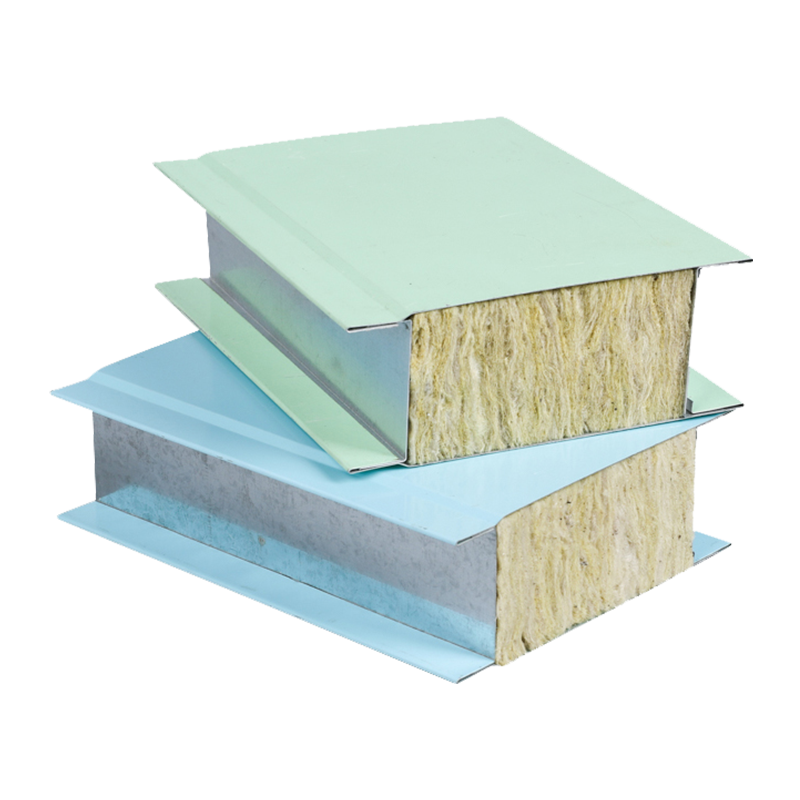
-
Kaisier Clean Technology Announces Official Operation of New Thailand Production Base, Enhancing Global Supply Chain Resilience
Jan, 30, 2026
Industry NewsZhejiang Kaisier Clean Technology Co., Ltd., a leading provider of high-performance cleanroom solutions, is proud to announce the official commencement of operations at its state-of-the-art production base in Thailand, u... -
Kaiser Unveils Next-Gen Antimicrobial Clean Panel Series, Setting New Benchmark for Healthcare & High-Tech Facilities
Jan, 30, 2026
Industry NewsInnovating at the intersection of safety and purity, Zhejiang Kaiser Clean Technology Co., Ltd. has launched its next-generation clean panel series, engineered with proprietary advanced surface treatment technology. This... -
Kaisier Clean Technology Showcases Total Cleanroom Solutions at SEMICON Southeast Asia 2024, Highlighting “One-Stop Service” Model
Jan, 30, 2026
Industry NewsZhejiang Kaisier Clean Technology Co., Ltd., together with its Thai subsidiary, successfully participated as an exhibitor at SEMICON Southeast Asia 2024, one of the region’s premier events for the microelectronics manufa...
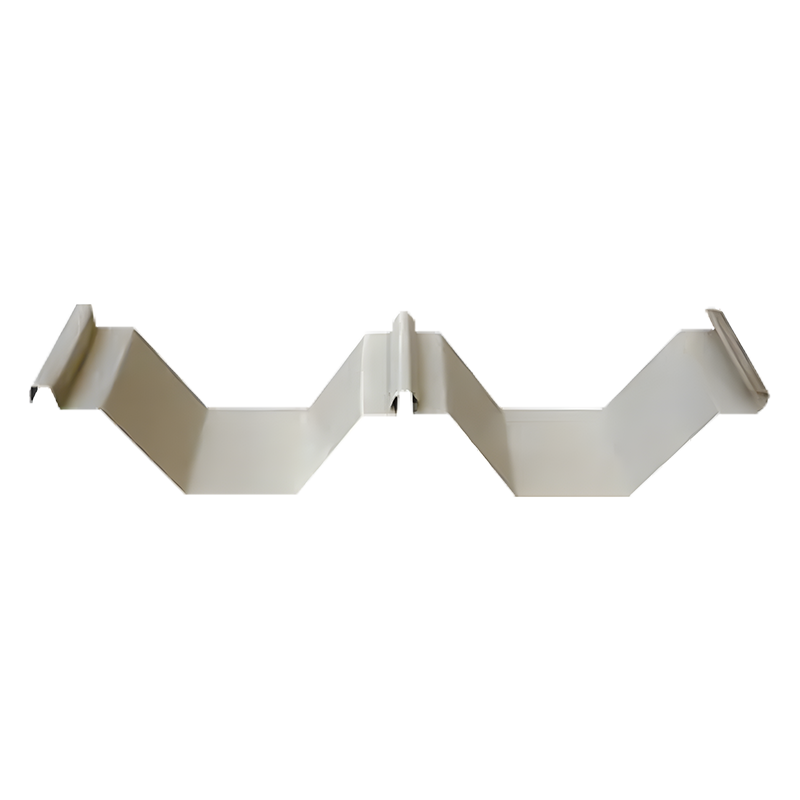
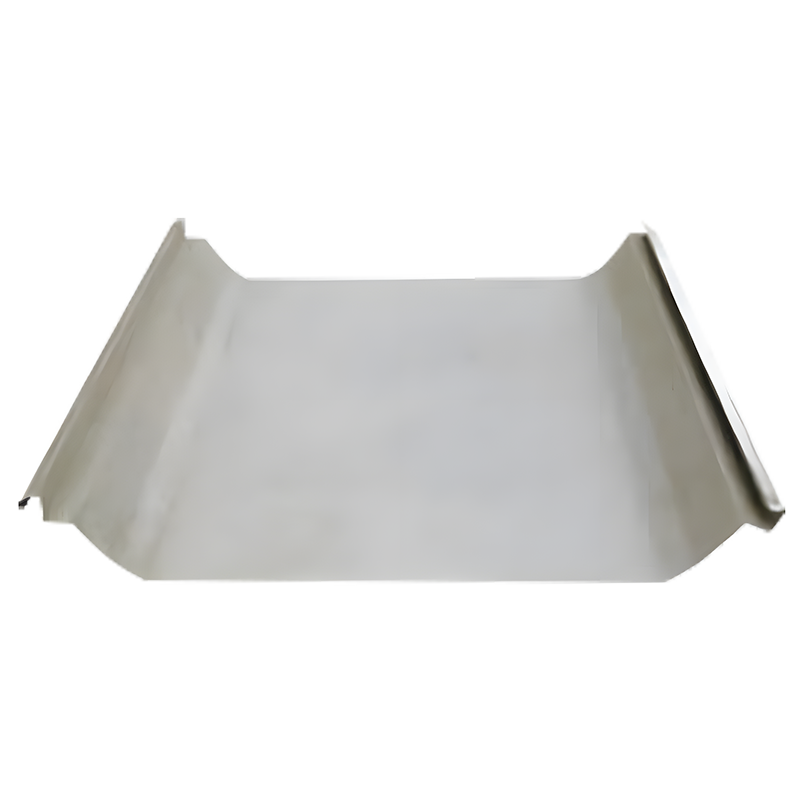
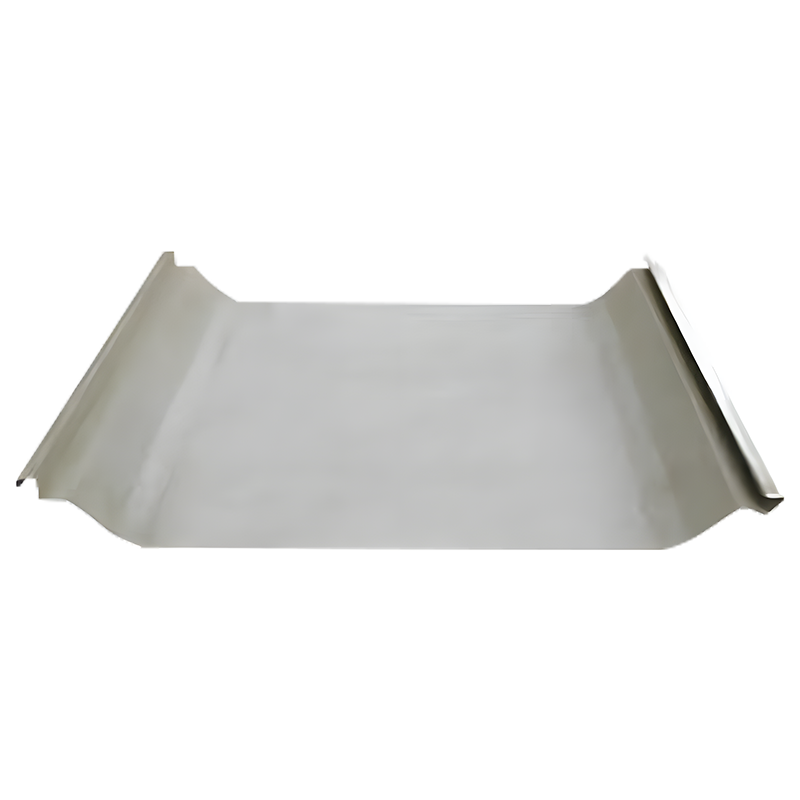
Color-coated steel profiled sheets Manufacturer
Product Categories
About Kaisier
Kaisier Cleans the Globe Tech Empowers Tomorrow
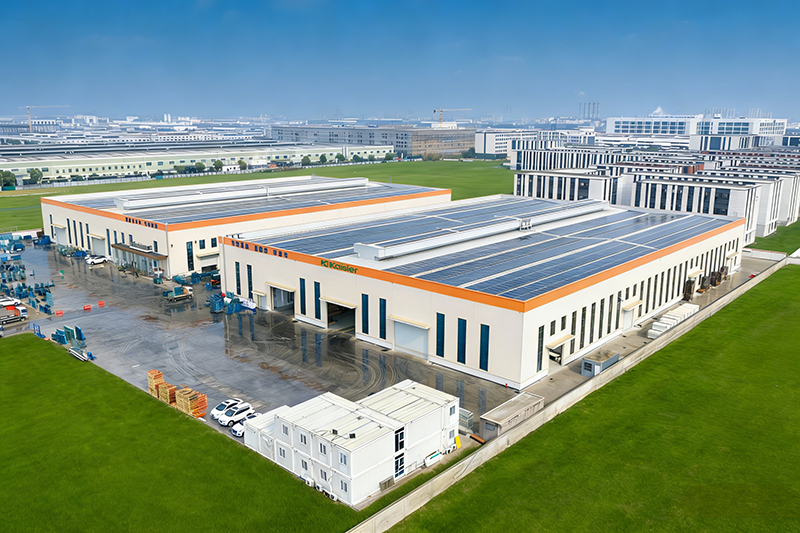
Zhejiang Kaisier Clean Technology Co.,Ltd. upholding the brand mission of "Kaisier Cleans the Globe, Tech Empowers Tomorrow", Zhejiang Kaisier Clean Technology Co., Ltd. and its Thai subsidiary are a technology-driven enterprise in the clean industry with a global layout. The company has built four modern production bases in China and Thailand, forming a "domestic coordination + international radiation" capacity network equipped with intelligent production lines and precision testing equipment to ensure stable and efficient supply.
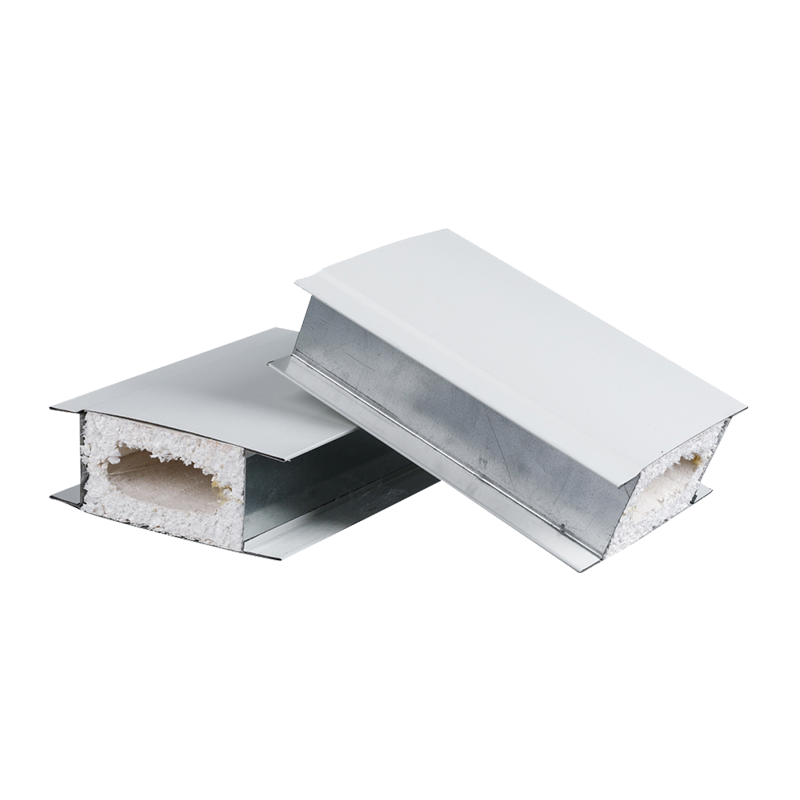
We are a China OEM/ODM Color-coated steel profiled sheets Company and Color-coated steel profiled sheets Manufacturer, specialize in R&D, production and sales of a full range of clean panels, including color steel sandwich panels, rock wool clean panels and magnesium oxide clean panels, which can meet the stringent requirements of Class 100 to Class 300,000 air purification projects. Our products lead the world in fire resistance, antibacterial and antistatic performance, and are widely applied in high-end fields such as healthcare, electronics and food industries, providing one-stop services from solution design to after-sales support. With technological innovation as the core and the philosophy of "precision engineering for ultimate cleanliness", we are committed to delivering safe and reliable clean space solutions for global customers.
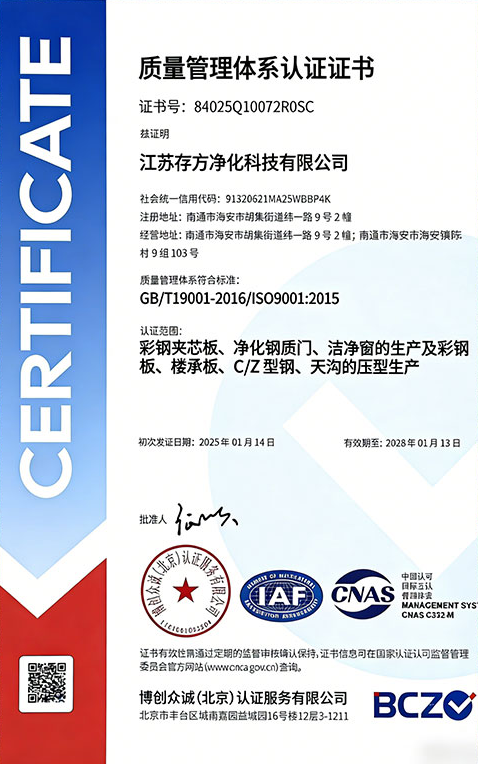
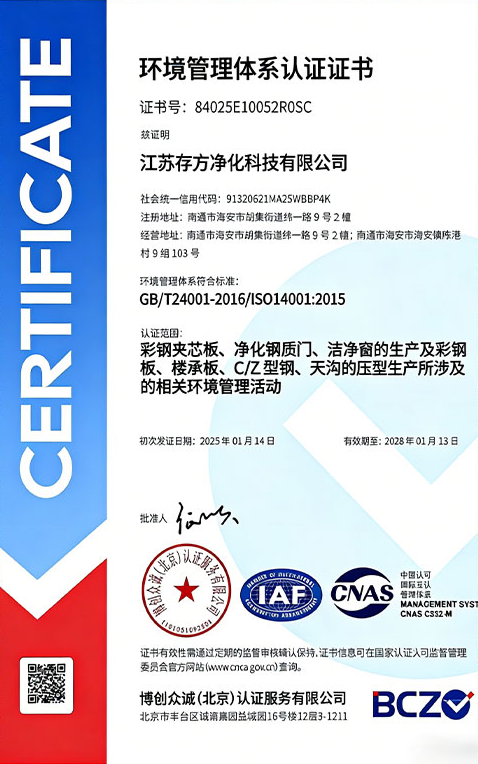
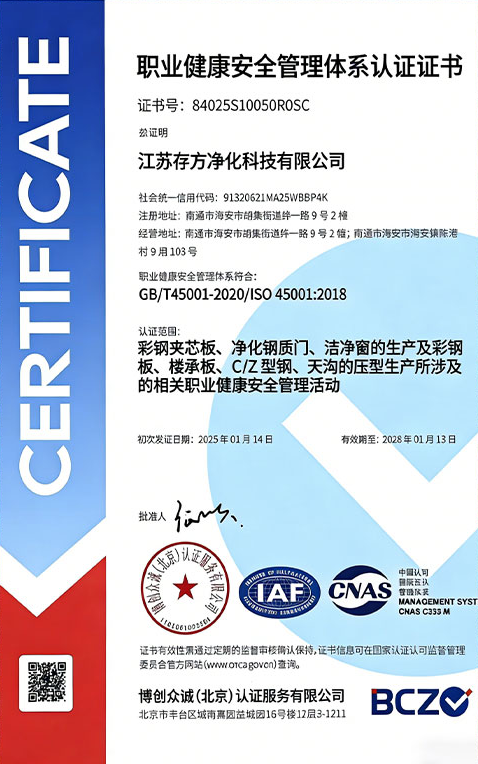
Certificate Of Honor
Our Latest News
Message Feedback
Color-coated steel profiled sheets Industry knowledge
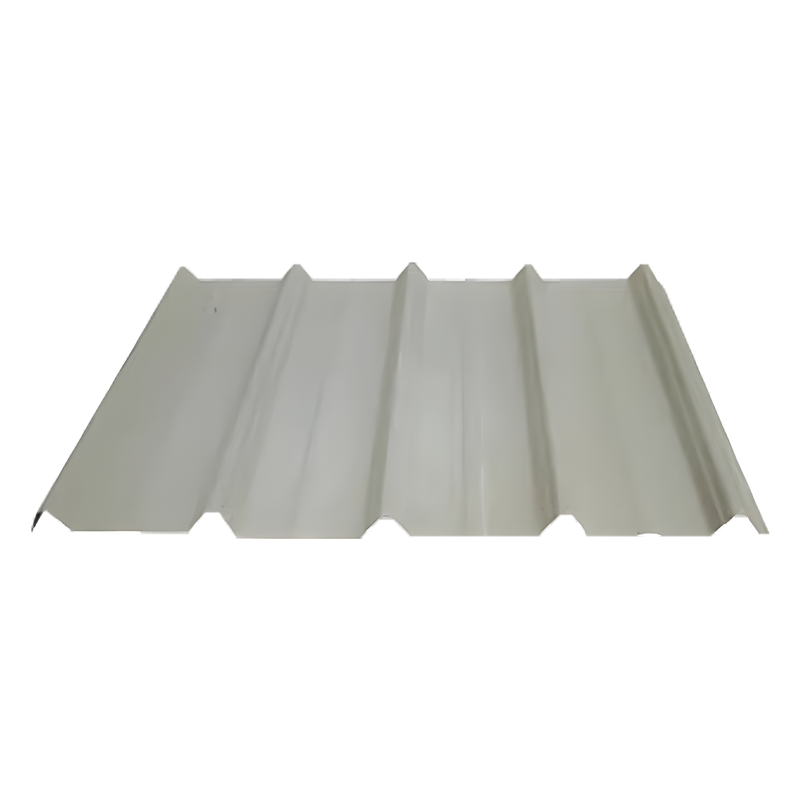
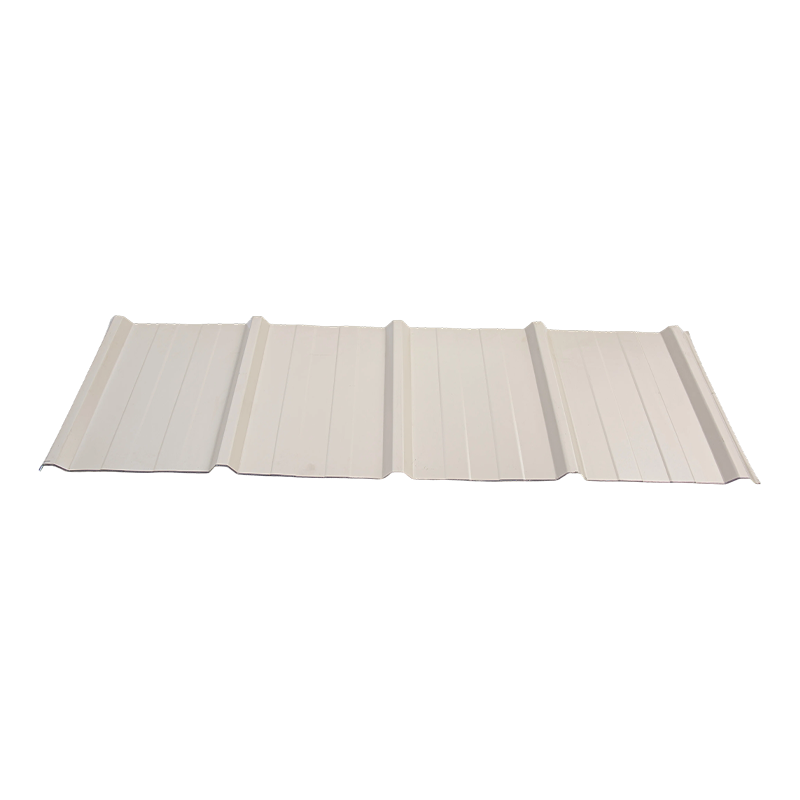
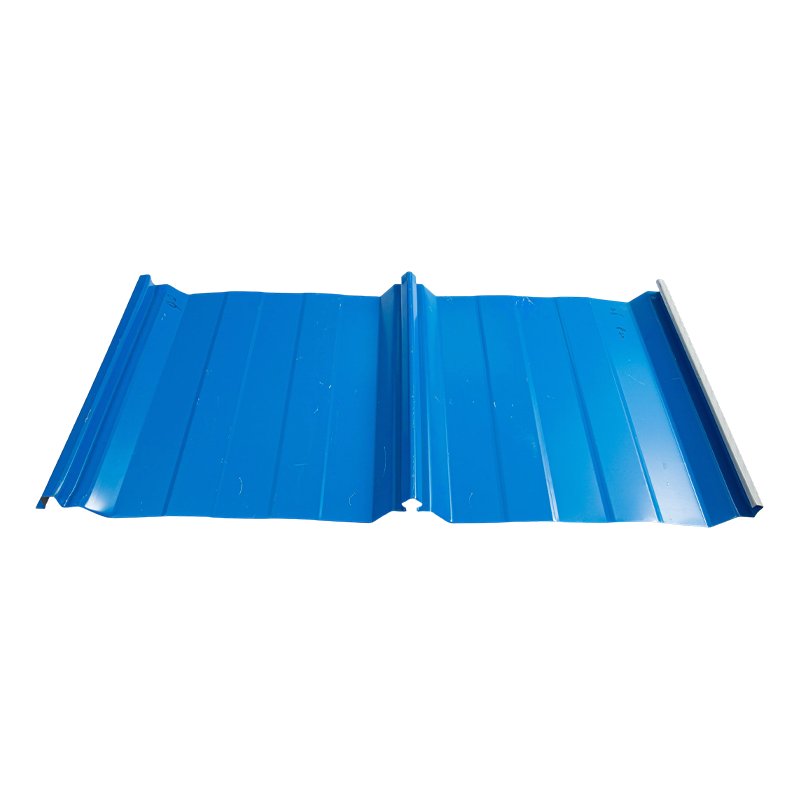
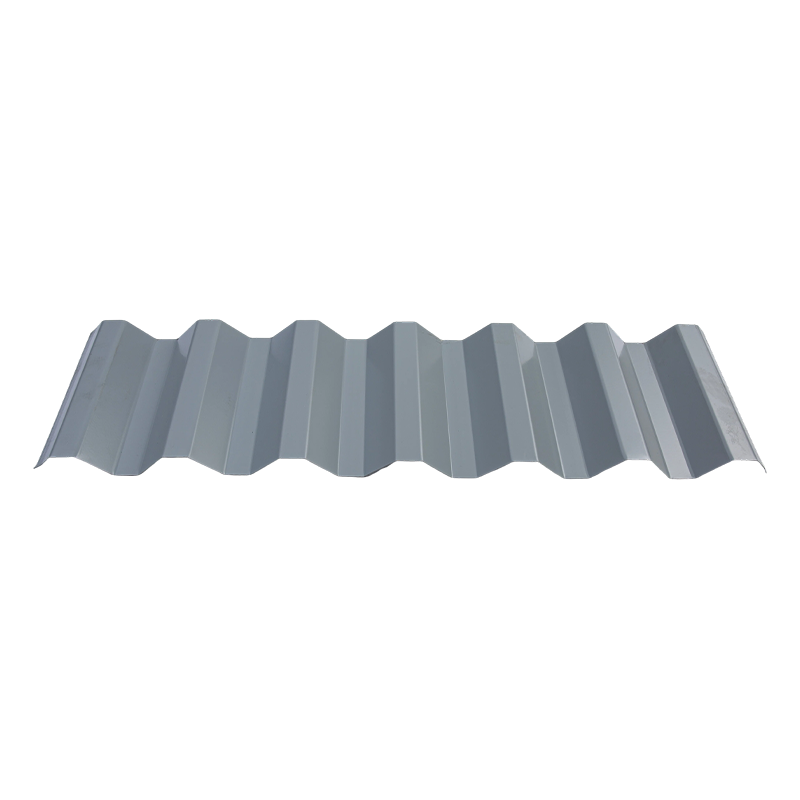
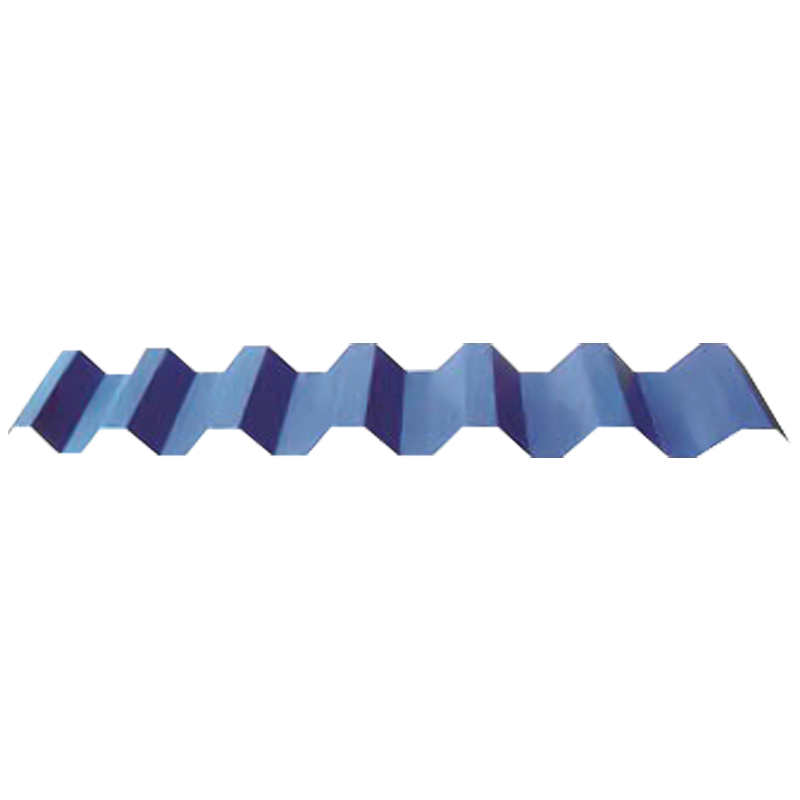
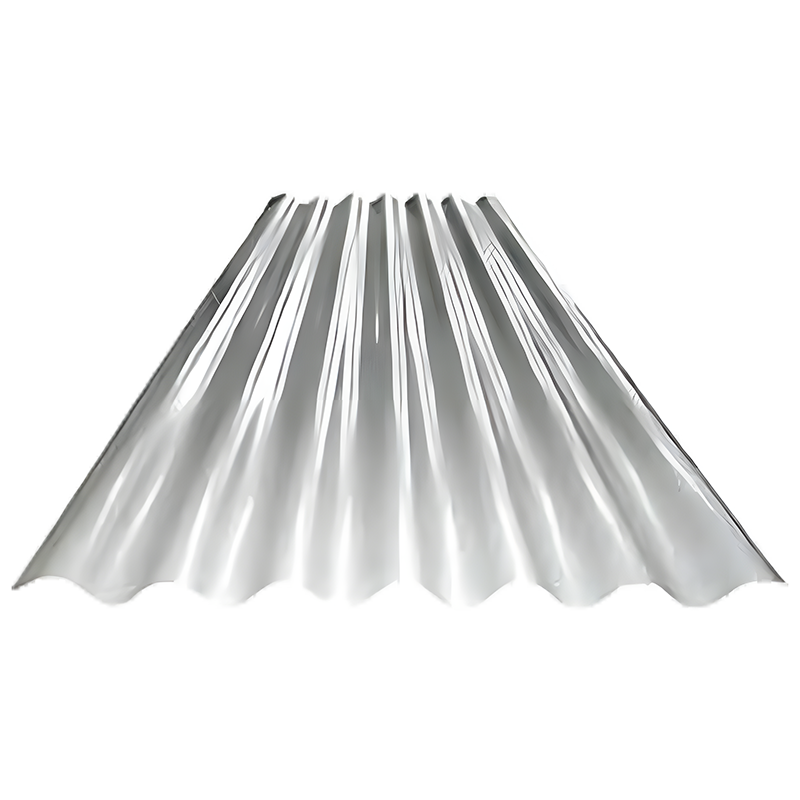
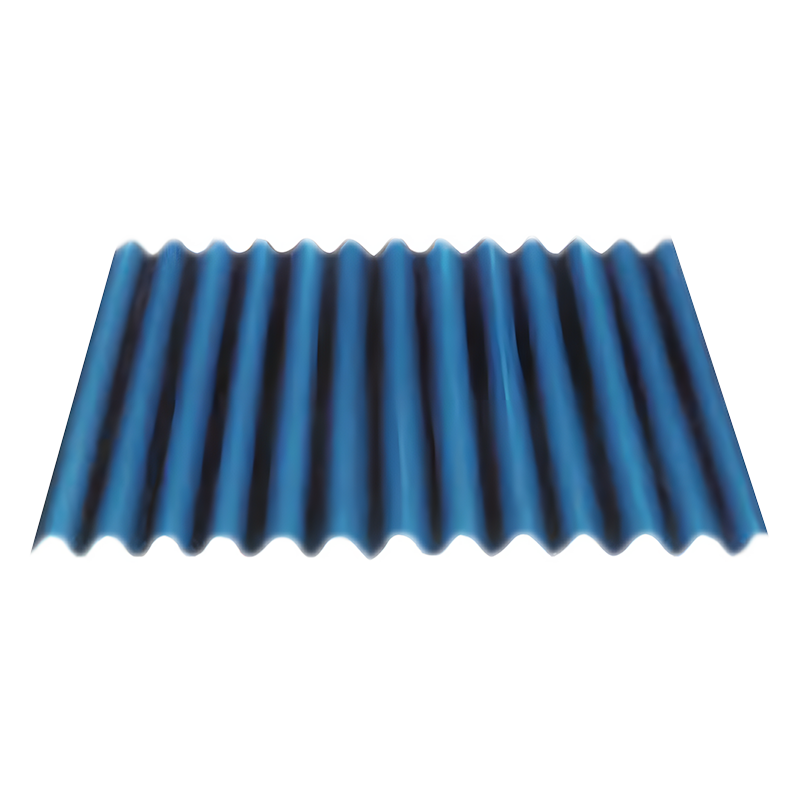
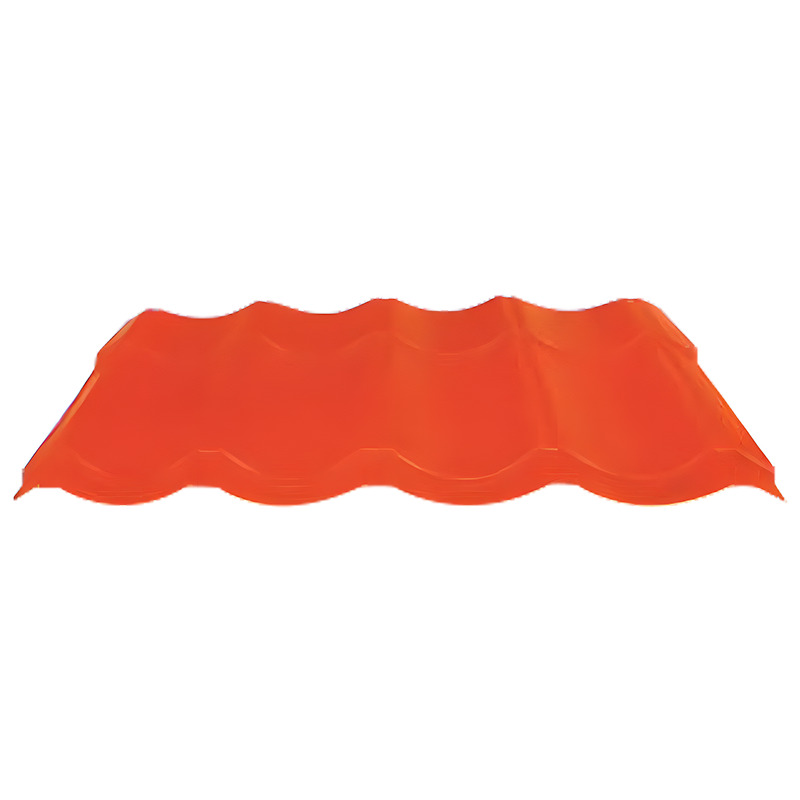
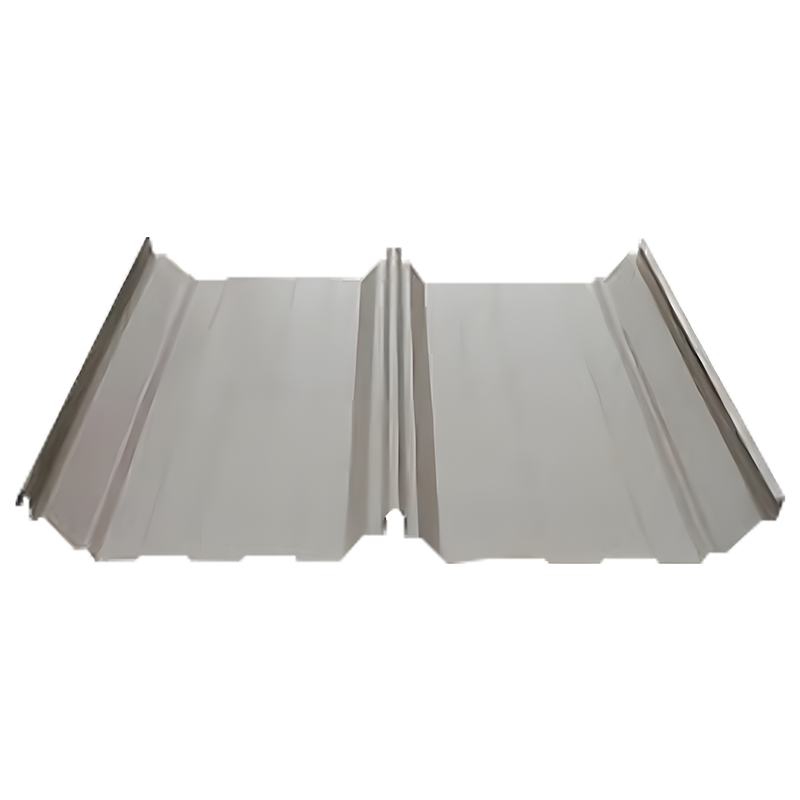
In industrial plants, warehouses, commercial buildings, and cleanroom exterior structures, color-coated steel profiled sheets have become the mainstream material for roofing, wall cladding, and floor decking due to their light weight, high strength, fast construction, corrosion resistance, aesthetic appearance, and economic efficiency. The clear conclusion is: Different profiled sheet types — characterized by wave height, wave spacing, and profile pattern — correspond to different load-bearing capacities and application scenarios. Low-wave sheets (wave height ≤25mm) are suitable for wall cladding, medium-wave sheets (wave height 35-50mm) for general roofing, and high-wave sheets (wave height ≥70mm) for large-span heavy-duty roofing. Proper selection can increase material utilization by 20%-30% and ensure a design service life of 15-20 years. The following provides in-depth technical reference from four dimensions: profile classification, load-bearing comparison, coating systems, and selection guidelines.
Profile Classification: Technical Parameter Comparison of Seven Common Models
Color-coated steel profiled sheets can be classified into various models based on wave height, wave spacing, effective width, and application. A detailed comparison of seven common models is shown below:
| Model | Wave Height (mm) | Wave Spacing (mm) | Effective Width (mm) | Applicable Thickness (mm) | Main Application |
|---|---|---|---|---|---|
| YX25-210-840 (Trapezoidal Roof Sheet) | 25 | 210 | 840 | 0.4-0.6 | General industrial plant, warehouse roofing |
| YX15-225-900 (Wall Cladding Sheet) | 15 | 225 | 900 | 0.4-0.6 | Wall cladding, exterior wall decoration |
| YX50-410-820 (Deep Rib Load-Bearing Roof Sheet) | 50 | 410 | 820 | 0.5-0.8 | Load-bearing roofing, wide purlin spacing roofing |
| YX71-380-760 (High Wave Peak Industrial Roof Sheet) | 71 | 380 | 760 | 0.6-1.0 | Large-span plants, heavy-duty roofing |
| YX35-125-750 (High-Strength Factory Roof Sheet) | 35 | 125 | 750 | 0.5-0.8 | High-strength industrial roofing |
| YX32-130-780 (Composite Floor Deck Sheet) | 32 | 130 | 780 | 0.8-1.2 | Composite concrete floor deck, permanent formwork |
Load-Bearing Capacity Comparison: Load Performance of Different Models
The load-bearing capacity of profiled steel sheets is determined by wave height, sheet thickness, and support conditions. Allowable load reference values for different models under simply supported conditions (0.6mm thickness) are shown below:
| Model | Effective Width (mm) | Section Modulus (cm³/m) | Allowable Uniform Load (kN/m²) | Applicable Purlin Spacing (m) |
|---|---|---|---|---|
| YX25-210-840 | 840 | 8.5 | 1.8 | ≤1.2 |
| YX50-410-820 | 820 | 15.2 | 3.2 | ≤1.5 |
| YX71-380-760 | 760 | 22.8 | 4.5 | ≤1.8 |
| YX35-125-750 | 750 | 11.5 | 2.4 | ≤1.5 |
Coating Systems: Determining Weather Resistance and Service Life
The coating on color-coated steel profiled sheets is critical for corrosion protection and weather resistance. A performance comparison of different coating systems is shown below:
| Coating Type | Typical Thickness (μm) | Salt Spray Resistance (hours) | UV Aging Resistance (hours) | Expected Service Life (years) | Applicable Environment |
|---|---|---|---|---|---|
| Polyester (PE) | 20-25 | 300-500 | 500-800 | 7-10 | General industrial plants, warehouses |
| Silicon-Modified Polyester (SMP) | 20-25 | 500-800 | 800-1200 | 10-15 | Ordinary industrial plants, outdoor facilities |
| High Durability Polyester (HDP) | 25-30 | 800-1200 | 1200-1500 | 12-18 | High-demand industrial buildings |
| Polyvinylidene Fluoride (PVDF) | 25-35 | ≥1500 | ≥2000 | 20-25 | Coastal, chemical, high-corrosion environments |
Application of Color-Coated Steel Profiled Sheets in Cleanroom Exterior Structures
In cleanroom system engineering, color-coated steel profiled sheets are mainly used for exterior enclosures, ceiling substrates, and clean corridors. Key application points are as follows:
- Roofing systems: Cleanroom plant roofs typically use YX71-380-760 high-wave sheets or YX50-410-820 deep rib sheets with thickness ≥0.6mm, HDP or PVDF coating recommended. Purlin spacing should be controlled at 1.2-1.5m to prevent deformation under equipment maintenance loads;
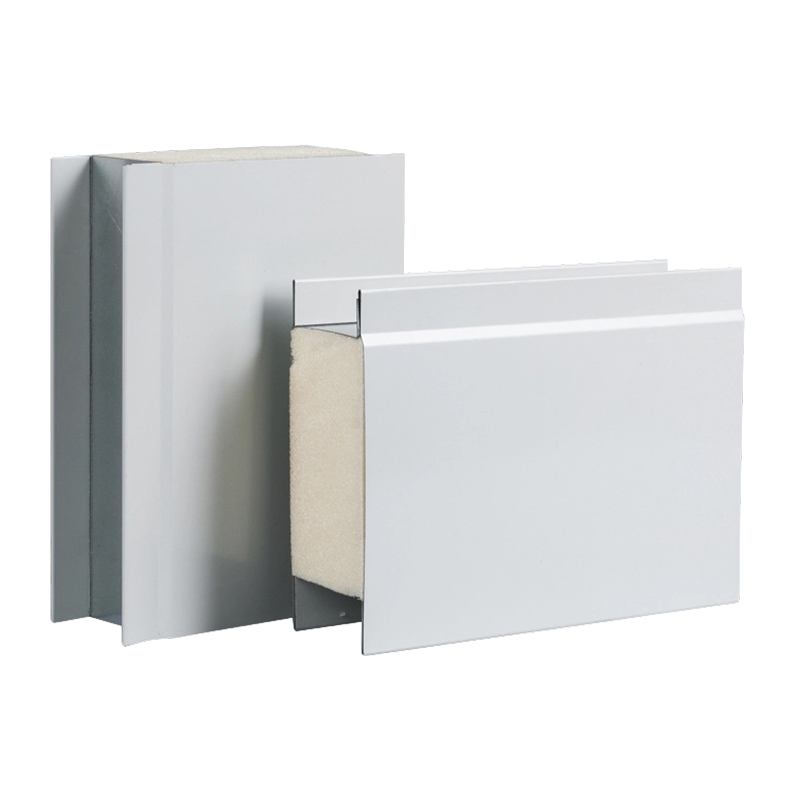
- Wall cladding: Use YX15-225-900 wall cladding sheets with thickness 0.5-0.6mm. Cleanroom exterior walls require both airtightness and thermal insulation — rock wool or polyurethane sandwich panels should be filled on the interior side of the profiled sheet;
- Composite floor decking: YX32-130-780 composite floor deck is used for cleanroom second floors or equipment mezzanines, with thickness 0.8-1.0mm. It forms a composite structure with the cast-in-place concrete slab, eliminating the need for separate formwork and increasing construction efficiency by more than 40%;
- Detail treatment: Lap length of profiled sheets should be ≥200mm, with sealant (weather-resistant silicone) applied at laps and waterproof screws installed at wave crests. Flashing should be added at ridges, eaves, and gutters to prevent leakage.
For cleanroom buildings, light-colored sheets (e.g., off-white, ivory) are recommended to reduce solar radiation absorption and lower air conditioning energy consumption. Roof panels should preferably be composite sandwich panels with insulation core, achieving heat transfer coefficient K ≤0.5 W/(m²·K).
Selection Guide: Choosing the Right Model Based on Project Requirements
Below are selection recommendations for different building types:
| Building Type | Recommended Roof Model | Recommended Wall Model | Recommended Coating | Thickness (mm) |
|---|---|---|---|---|
| General Industrial Plant | YX25-210-840 or YX35-125-750 | YX15-225-900 | PE or SMP | 0.5-0.6 |
| Large-Span Plant / Logistics Center | YX71-380-760 | YX15-225-900 | SMP or HDP | 0.6-0.8 |
| Coastal / Corrosive Environments | YX50-410-820 or YX71-380-760 | YX15-225-900 | PVDF | 0.6-0.8 |
| Cleanroom Plant Exterior | Composite Sandwich Panel (rock wool/PU core) | YX15-225-900 + sandwich liner | HDP or PVDF | 0.5-0.6 (outer sheet) |
| Composite Floor Deck / Mezzanine | YX32-130-780 | — | Galvanized or Al-Zn bare sheet | 0.8-1.2 |
Frequently Asked Questions (FAQ) About Color-Coated Steel Profiled Sheets
1. How should the thickness of color-coated steel profiled sheets be selected for different applications?
Thickness selection depends on the application, span, and load requirements: Wall cladding: 0.4-0.6mm; General roofing: 0.5-0.6mm; Load-bearing roofing: 0.6-0.8mm (YX50/YX71 series); Large-span or heavy-load roofing: 0.8-1.0mm; Composite floor decking: 0.8-1.2mm. Under the same span, increasing thickness by 0.1mm can increase load-bearing capacity by approximately 15%-20%.
2. What is the actual difference between PVDF coating and ordinary polyester coating?
PVDF (polyvinylidene fluoride) coating contains at least 70% Kynar resin, offering UV resistance 2-3 times that of polyester (PE) and salt spray resistance up to 1500+ hours. It also features excellent self-cleaning properties — dust washes off easily with rain, maintaining a bright appearance over 20 years. Ordinary polyester coatings may show significant fading or chalking within 7-10 years. In coastal or chemically corrosive environments, PVDF coating is the recommended choice.
3. How many years can color-coated steel profiled sheets typically last? What affects their lifespan?
Under normal usage conditions, service life is as follows: PE coating: 7-10 years; SMP coating: 10-15 years; HDP coating: 12-18 years; PVDF coating: 20-25 years. Key factors affecting lifespan include: coating type and thickness, zinc coating weight (≥120g/m² recommended), environmental corrosiveness (coastal industrial areas have shorter lifespans), installation quality (lap and fastener sealing), and maintenance frequency.
4. What should be checked during on-site acceptance of profiled sheets?
On-site acceptance should focus on the following items:
- Appearance quality: No obvious scratches, dents, bubbles, or rust spots; color uniform with no significant色差;
- Dimensional deviation: Length deviation ≤±5mm, width deviation ≤±2mm, wave height deviation ≤±1mm;
- Coating thickness: Use a coating thickness gauge to verify that thickness meets requirements (e.g., PVDF ≥25μm);
- Substrate material: Verify steel grade and zinc coating weight via factory test certificate;
- Adhesion test: Perform cross-cut tape test — coating removal area should not exceed 5%.
5. Can color-coated steel profiled sheets be used for curved roofs?
Yes. For curved roof applications, specially designed arc-shaped profiled sheets can be used, or standard sheets can be cold-bent on-site (with caution to avoid coating cracking). When the bending radius ≥15 times the wave height, the coating is generally not damaged. For smaller radii, pre-bent arc sheets from the factory or aluminum-magnesium-manganese alloy standing seam systems are recommended. In coastal areas, avoid excessive on-site bending to prevent coating cracking leading to corrosion.
6. What maintenance is required for color-coated steel profiled sheets?
Recommended maintenance measures include:
- Annual inspection: Check for coating peeling, rust spots, loose fasteners, and sealant aging;
- Regular cleaning: Clean twice a year using water or a mild detergent (avoid alkaline or acidic cleaners). In heavy industrial pollution areas, increase to four times per year;
- Prompt repair of scratches: For scratches exposing the substrate, clean and apply spray paint (use the same color) immediately to prevent rust;
- Drainage system: Regularly clear debris from gutters and downspouts to prevent water pooling and excessive load on the roof.
7. How is the fire rating of color-coated steel profiled sheets determined?
The steel substrate of profiled sheets itself is non-combustible (Class A). However, when used as a roof or wall panel, its overall fire rating depends on the insulation material behind it: Single-layer profiled sheet without insulation: Class A (non-combustible); With rock wool insulation: Class A; With polyurethane (PU) insulation: Class B1/B2 (flame retardant); With EPS (expanded polystyrene) insulation: Class B2/B3. For cleanroom buildings, rock wool insulation is recommended to achieve Class A fire rating.

- E-Mail: [email protected]
- Tel: +86 18968239620
- Address: Room No.905, He Yuan Mansion, No. 382, Tianda Lane, Ningbo Southern Business District, Yinzhou Ningbo China
Quick Links
Contact Us
? Copyright Zhejiang Kaisier Clean Technology Co.,Ltd.
All Rights Reserved.
 OEM/ODM Color-coated steel profiled sheets Company
Color-coated steel profiled sheets Manufacturer
OEM/ODM Color-coated steel profiled sheets Company
Color-coated steel profiled sheets Manufacturer
-
+86 18968239620
-
-
