

 en
en
 English
 русский
 Español
 عربى
عربى ไทย
ไทย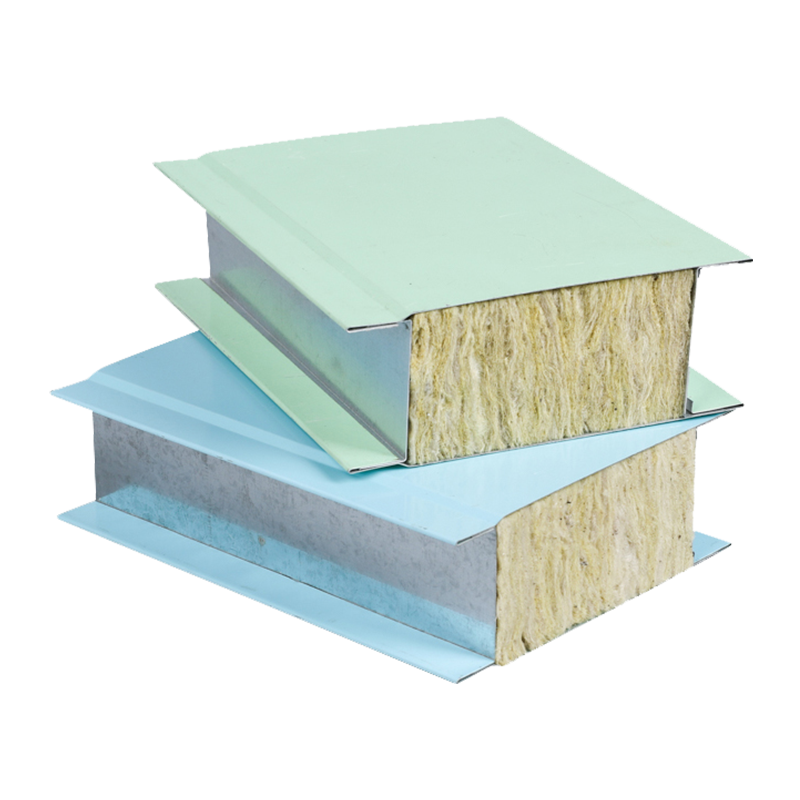
-
Kaisier Clean Technology Announces Official Operation of New Thailand Production Base, Enhancing Global Supply Chain Resilience
Jan, 30, 2026
Industry NewsZhejiang Kaisier Clean Technology Co., Ltd., a leading provider of high-performance cleanroom solutions, is proud to announce the official commencement of operations at its state-of-the-art production base in Thailand, u... -
Kaiser Unveils Next-Gen Antimicrobial Clean Panel Series, Setting New Benchmark for Healthcare & High-Tech Facilities
Jan, 30, 2026
Industry NewsInnovating at the intersection of safety and purity, Zhejiang Kaiser Clean Technology Co., Ltd. has launched its next-generation clean panel series, engineered with proprietary advanced surface treatment technology. This... -
Kaisier Clean Technology Showcases Total Cleanroom Solutions at SEMICON Southeast Asia 2024, Highlighting “One-Stop Service” Model
Jan, 30, 2026
Industry NewsZhejiang Kaisier Clean Technology Co., Ltd., together with its Thai subsidiary, successfully participated as an exhibitor at SEMICON Southeast Asia 2024, one of the region’s premier events for the microelectronics manufa...
Cleanroom Pass Through Window Manufacturer
Product Introduction:
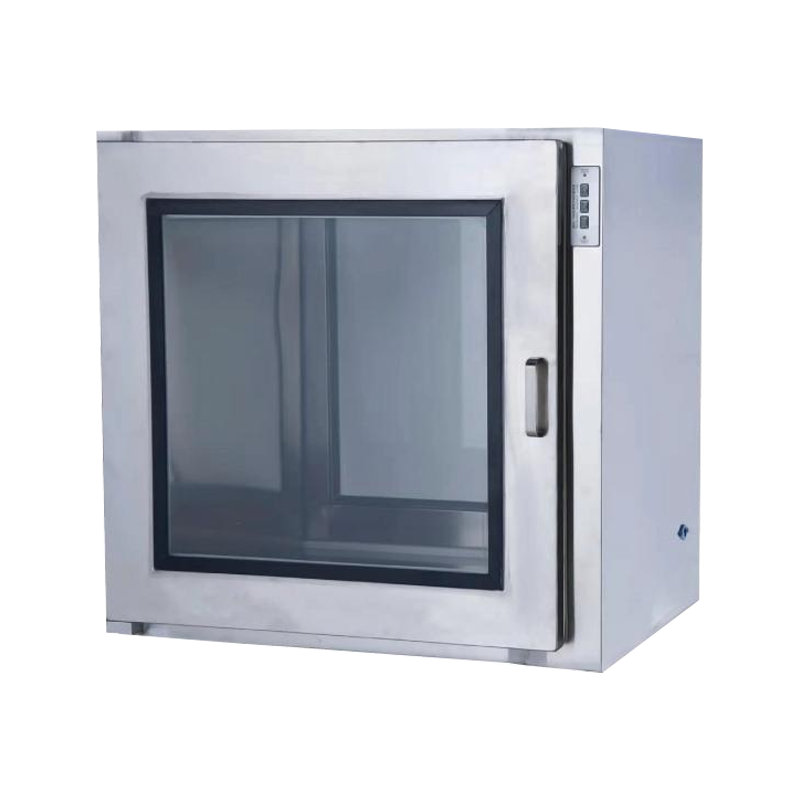
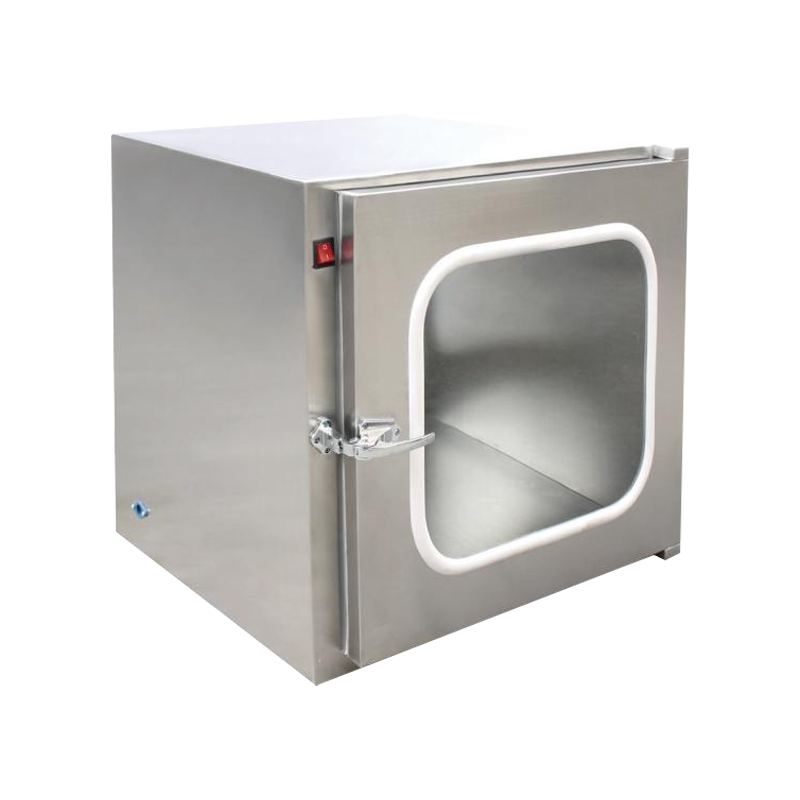
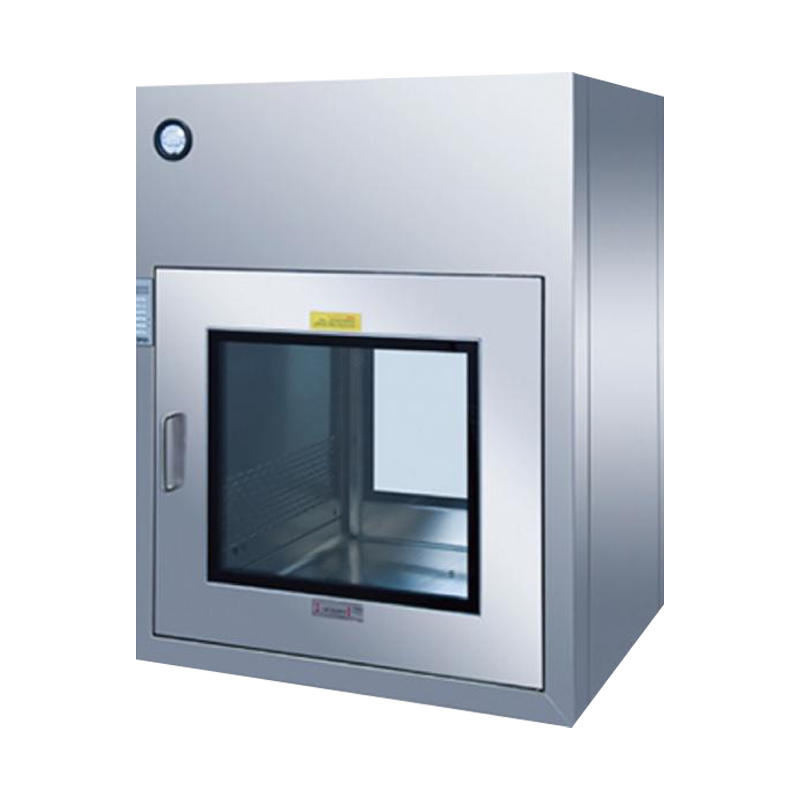
The cleanroom pass through window is an air purification device used in conjunction with cleanrooms, suitable for the transfer of small and medium-sized goods between cleanrooms or between cleanrooms and non-cleanrooms. The use of a pass-through window minimizes contamination in the clean area. The product is widely used in air purification applications in microtechnology, electronics industry, biological laboratories, pharmaceutical factories, hospitals, and food processing industries.
Product Features:
The cabinet is made of high-quality SUS304 stainless steel or painted steel plate with double interlocking doors, effectively preventing cross-contamination; a special sanitary-grade silicone sealing strip ensures airtightness; equipped with a UV sterilization lamp to meet GMP requirements;
The structure is designed for safety, easy installation, and excellent compatibility with cleanrooms.
Product Categories
About Kaisier
Kaisier Cleans the Globe Tech Empowers Tomorrow
Zhejiang Kaisier Clean Technology Co.,Ltd. upholding the brand mission of "Kaisier Cleans the Globe, Tech Empowers Tomorrow", Zhejiang Kaisier Clean Technology Co., Ltd. and its Thai subsidiary are a technology-driven enterprise in the clean industry with a global layout. The company has built four modern production bases in China and Thailand, forming a "domestic coordination + international radiation" capacity network equipped with intelligent production lines and precision testing equipment to ensure stable and efficient supply.
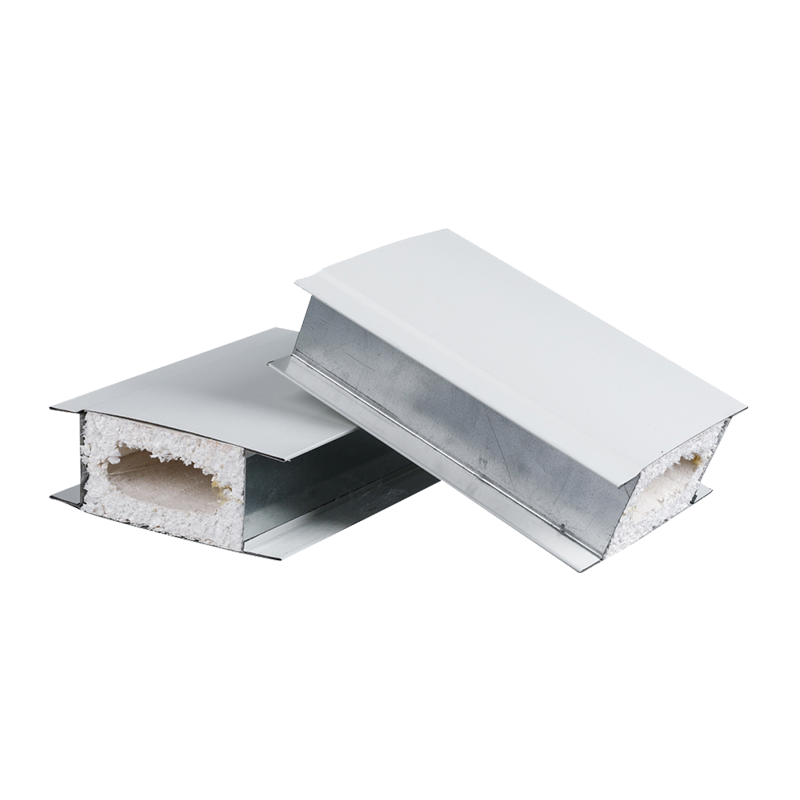
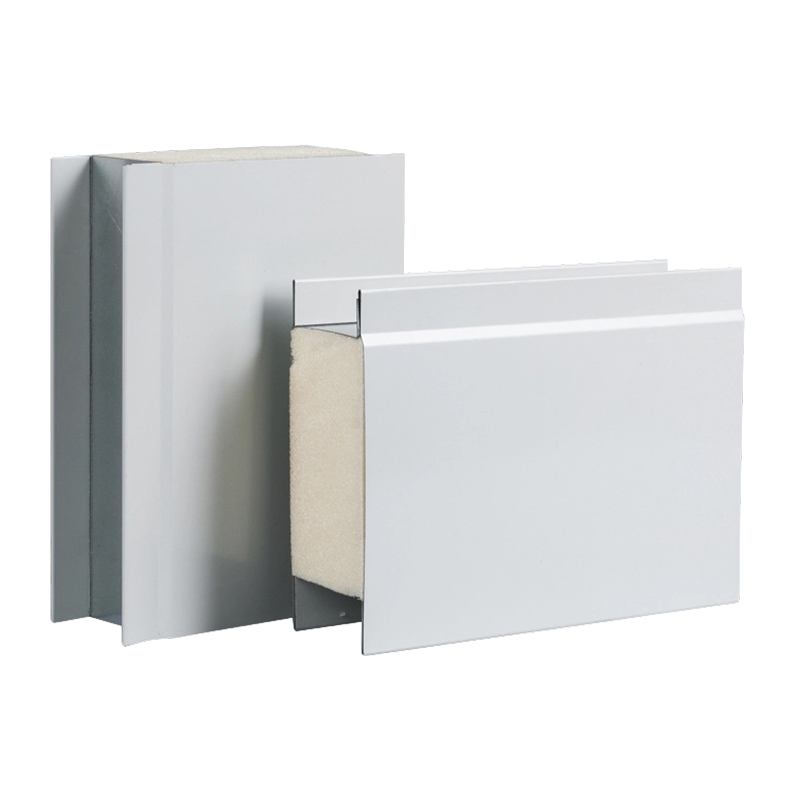
We are a China OEM/ODM Cleanroom Pass Through Window Company and Cleanroom Pass Through Window Manufacturer, specialize in R&D, production and sales of a full range of clean panels, including color steel sandwich panels, rock wool clean panels and magnesium oxide clean panels, which can meet the stringent requirements of Class 100 to Class 300,000 air purification projects. Our products lead the world in fire resistance, antibacterial and antistatic performance, and are widely applied in high-end fields such as healthcare, electronics and food industries, providing one-stop services from solution design to after-sales support. With technological innovation as the core and the philosophy of "precision engineering for ultimate cleanliness", we are committed to delivering safe and reliable clean space solutions for global customers.

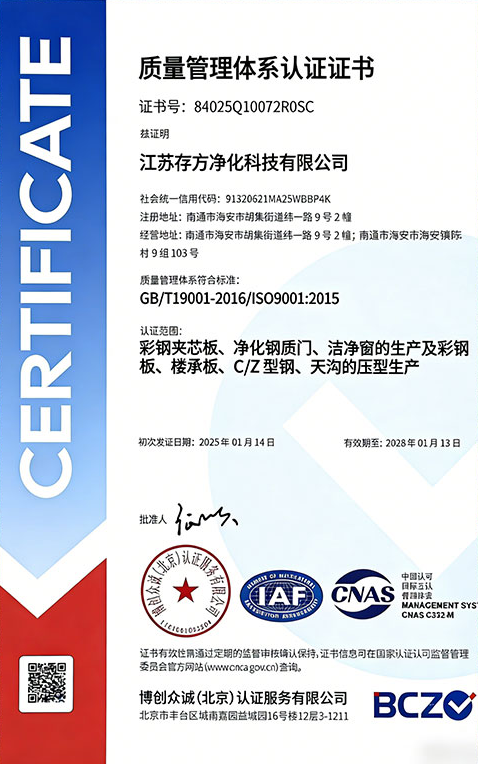
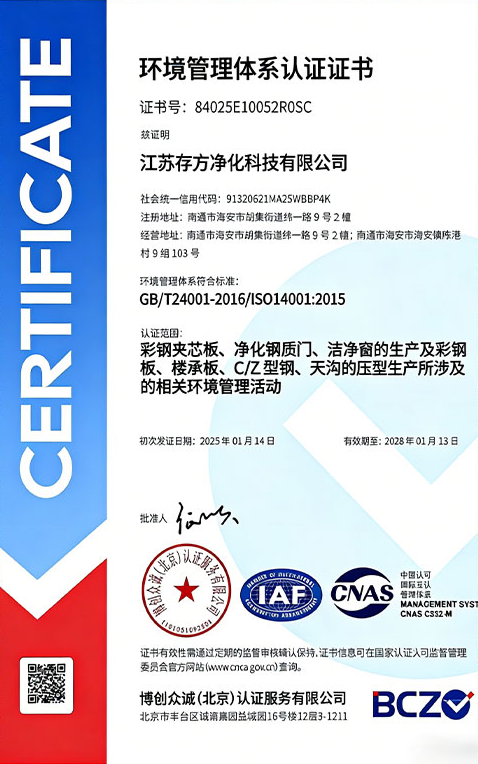
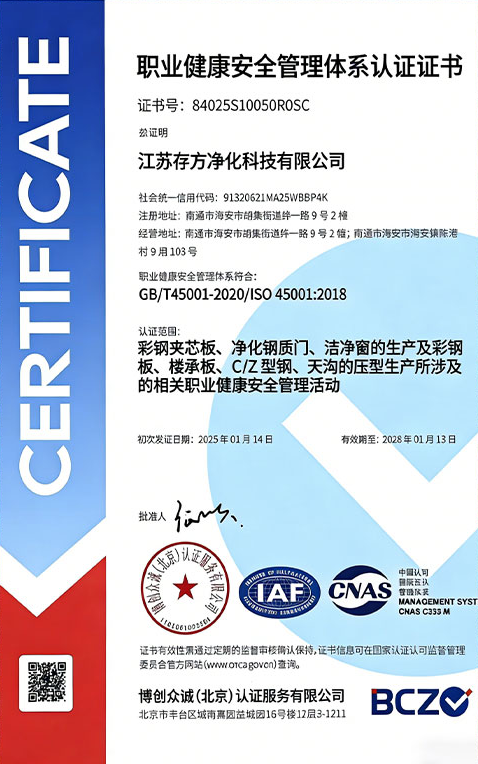
Certificate Of Honor
Our Latest News
Message Feedback
Cleanroom Pass Through Window Industry knowledge
A cleanroom pass through window is an enclosed material transfer device installed in the wall between a cleanroom and a non-cleanroom (or between areas of different cleanliness classifications). Its core function is: to safely transfer small-to-medium-sized items without opening the main access door or disrupting the room's positive pressure differential. Through a dual-door interlock mechanism and sealing structure, pass through windows can reduce personnel entry and exit frequency by over 80%, significantly lowering the risk of particle and microbial intrusion. They are considered essential infrastructure for compliance with GMP, ISO 14644, and FDA regulations [^2^].
In industries such as microelectronics, biopharmaceuticals, hospital operating rooms, and food processing, pass through windows have evolved from "optional accessories" to "mandatory installations." For example, FDA requirements for sterile drug production (Grade A/B background environments) explicitly state that materials entering sterile core areas must pass through a pass through window or airlock, equipped with effective decontamination measures.
Three Main Types and Their Applicable Scenarios
Based on interlocking methods and cleanroom functionality, pass through windows fall into three categories. Selection should consider cleanliness classification, material contamination risk, and budget:
Electronic Interlock Pass Through Window
Utilizes electromagnetic locks and sensors for dual-door interlocking. When one side door is opened, the opposite door automatically locks. The electronic interlock response time is typically less than 0.5 seconds, offering high reliability. Suitable for ISO Class 5 (Class 100) and higher-grade cleanrooms. Some premium models feature LED status indicators and fault alarm functions for real-time monitoring [^68^].
Mechanical Interlock Pass Through Window
Achieves dual-door interlocking through physical linkages or cam mechanisms, requiring no external power and offering low maintenance costs. Mechanical interlocks are suitable for ISO Class 7–8 (Class 10,000–100,000) general clean zones or explosion-proof environments with special electrical safety requirements. The disadvantage is that mechanical components may wear over time; an interlock function verification is recommended every 12 months [^48^].
Self-Cleaning (Dynamic) Pass Through Window
In addition to basic interlocking functionality, these units integrate HEPA filtration units and ultraviolet (UV) sterilization lamps. Built-in blowers circulate filtered air through the chamber at 375 CFM (approximately 636 m³/h), enabling pre-purification of the chamber before item transfer. This type is commonly used in biological laboratories, sterile formulation workshops, and hospital pharmacies, representing the most effective solution for preventing cross-contamination [^67^].
| Type | Interlock Method | Applicable Cleanliness Class | Typical Additional Features | Maintenance Complexity |
|---|---|---|---|---|
| Electronic Interlock | Electromagnetic lock + sensor | ISO Class 5 and above | LED indicator, fault alarm | Medium |
| Mechanical Interlock | Physical linkage / cam | ISO Class 7–8 | No power dependency | Low (requires periodic verification) |
| Self-Cleaning | Electronic or mechanical | ISO Class 5–6 | HEPA filtration, UV sterilization | High |
Key Structural and Material Specifications
The performance of a pass through window depends directly on its structural design and material selection. Industry-standard configurations typically follow these specifications:
Cabinet Body and Surface Treatment
Mainstream cabinet bodies are constructed from SUS304 or SUS316L stainless steel. SUS316L contains molybdenum, offering superior resistance to chloride corrosion compared to 304, making it suitable for hospital disinfection environments or coastal high-salt areas. Standard wall thickness is 1.2–1.5 mm, with internal rounded corners (R≥10 mm) to eliminate sanitary dead zones and facilitate cleaning and disinfection [^63^]. Some economical products use powder-coated cold rolled steel for ISO Class 8 and below general clean zones.
Observation Window and Sealing System
Observation windows are standard-equipped with 5 mm tempered safety glass; some anti-static environments require ESD polycarbonate. Door frame sealing uses sanitary-grade silicone gaskets or polyurethane gel sealing pads, with compression set requirements below 15% to ensure zero leakage under pressure differentials of ±30 Pa. According to measured data, high-quality sealing systems can control pass through window leakage rates below 0.01% [^48^].
Interlock and Sterilization Configuration
Self-cleaning pass through windows typically feature 15–30 W UV sterilization lamps at a wavelength of 253.7 nm, with an irradiation dose of ≥40 mJ/cm² required for effective surface microbial inactivation. HEPA filtration units must meet H13 or H14 ratings (filtration efficiency ≥99.97% or ≥99.995% for 0.3 μm particles) and include differential pressure gauges. Filters must be replaced when terminal resistance reaches 2–2.5 times the initial resistance (typically 250–300 Pa) [^67^].
Sizing Selection and Installation Essentials
Pass through window dimensions must match wall thickness, material volume, and operational workflow. The following are common standard sizes and selection guidelines:
| Model Code | Internal Width | Internal Height | Internal Depth | External Overall Height |
|---|---|---|---|---|
| Standard Wall-Mounted | 24 in (610 mm) | 24 in (610 mm) | 12 in (305 mm) | 29.2 in (741 mm) |
| Medium Wall-Mounted | 36 in (914 mm) | 36 in (914 mm) | 24 in (610 mm) | 41.2 in (1047 mm) |
| Large Floor-Standing | 42 in (1067 mm) | 60 in (1524 mm) | 54 in (1372 mm) | 61.6 in (1565 mm) |
The following installation points require attention:
- Wall opening dimensions should be 5–10 mm larger than the pass through window outer frame to allow for leveling adjustment and sealant filling.
- Installation height is typically 800–1000 mm above floor level, conforming to ergonomic operating ranges.
- The gap between the pass through window and wall must be sealed with neutral silicone sealant or EPDM gaskets to prevent pressure differential leakage.
- Self-cleaning pass through windows require reserved power outlets (typically 120 V / 220 V, single-phase) and reliable grounding [^63^].
Industry Applications and Compliance Requirements
Pass through windows are applied across multiple industries with strict cleanliness requirements. Compliance standards in different industries determine the configuration grade:
Pharmaceuticals and Biotechnology
According to GMP Annex 1 (2022 revision), material transfer between Grade A/B areas and Grade C/D areas in sterile drug production must use pass through windows equipped with electronic interlocks and UV sterilization. In cell and gene therapy (CGT) laboratories, where space is at a premium, compact wall-mounted pass through windows (internal dimensions ≤24 in) are preferred, meeting compliance requirements without consuming valuable cleanroom floor area [^2^].
Microelectronics and Semiconductors
In wafer fabrication and packaging/testing facilities, pass through windows must meet ISO 14644-1 Class 5 (ISO 5) standards. These scenarios typically select ESD-safe materials (such as anti-static polycarbonate observation windows) to prevent electrostatic discharge damage to sensitive components. Some advanced production lines also configure nitrogen purge ports to further reduce oxygen molecule and particle contamination.
Hospitals and Food Processing
Hospital operating rooms and central sterile supply departments (CSSD) use pass through windows to transfer instruments and supplies, requiring SUS316L stainless steel construction to withstand high-temperature high-pressure steam sterilization and chemical disinfectant corrosion. The food processing industry focuses on preventing cross-contamination; pass through windows must comply with HACCP principles, and mechanical interlocks are typically sufficient for ISO Class 8 environments.
Routine Maintenance and Performance Validation
The reliability of a pass through window depends not only on initial selection but also on standardized maintenance procedures. The following maintenance schedule is recommended:
- Daily: Inspect door gasket integrity, clean observation window surfaces, and confirm interlock functionality.
- Weekly: Wipe cabinet interior walls with alcohol or neutral detergent; check UV lamp intensity (replace if below 70% of rated value).
- Quarterly: Use a photometer or DOP/PAO aerosol to test HEPA filter integrity; scan leakage rate must not exceed 0.01%.
- Annually: Commission a third party for pressure differential retention testing (under rated pressure differential, pressure drop must not exceed 5% within 15 minutes) and interlock system calibration [^67^].
If door deformation, gasket aging, or interlock failure is detected, the unit must be immediately decommissioned and parts replaced. A neglected pass through window can become a "contamination leak" in a cleanroom, posing a greater risk than open transfer without a pass through window installed.

- E-Mail: [email protected]
- Tel: +86 18968239620
- Address: Room No.905, He Yuan Mansion, No. 382, Tianda Lane, Ningbo Southern Business District, Yinzhou Ningbo China
Quick Links
Contact Us
? Copyright Zhejiang Kaisier Clean Technology Co.,Ltd.
All Rights Reserved.
 OEM/ODM Cleanroom Pass Through Window Company
Cleanroom Pass Through Window Manufacturer
OEM/ODM Cleanroom Pass Through Window Company
Cleanroom Pass Through Window Manufacturer
-
+86 18968239620
-
-
