

 en
en
 English
 русский
 Español
 عربى
عربى ไทย
ไทย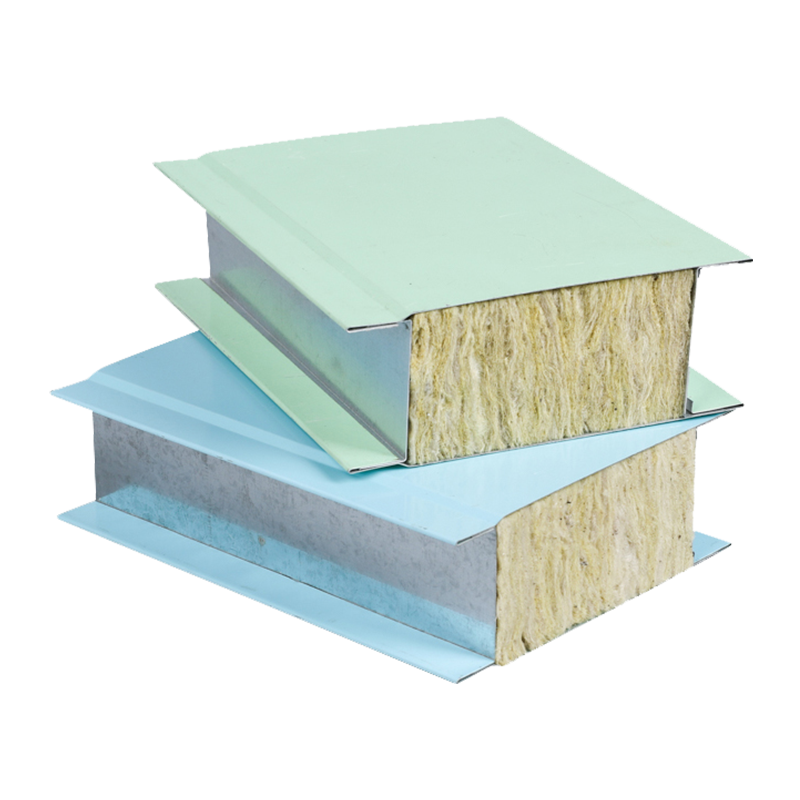
-
Kaisier Clean Technology Announces Official Operation of New Thailand Production Base, Enhancing Global Supply Chain Resilience
Jan, 30, 2026
Industry NewsZhejiang Kaisier Clean Technology Co., Ltd., a leading provider of high-performance cleanroom solutions, is proud to announce the official commencement of operations at its state-of-the-art production base in Thailand, u... -
Kaiser Unveils Next-Gen Antimicrobial Clean Panel Series, Setting New Benchmark for Healthcare & High-Tech Facilities
Jan, 30, 2026
Industry NewsInnovating at the intersection of safety and purity, Zhejiang Kaiser Clean Technology Co., Ltd. has launched its next-generation clean panel series, engineered with proprietary advanced surface treatment technology. This... -
Kaisier Clean Technology Showcases Total Cleanroom Solutions at SEMICON Southeast Asia 2024, Highlighting “One-Stop Service” Model
Jan, 30, 2026
Industry NewsZhejiang Kaisier Clean Technology Co., Ltd., together with its Thai subsidiary, successfully participated as an exhibitor at SEMICON Southeast Asia 2024, one of the region’s premier events for the microelectronics manufa...
Machine Made Cleanroom Panels Supplier
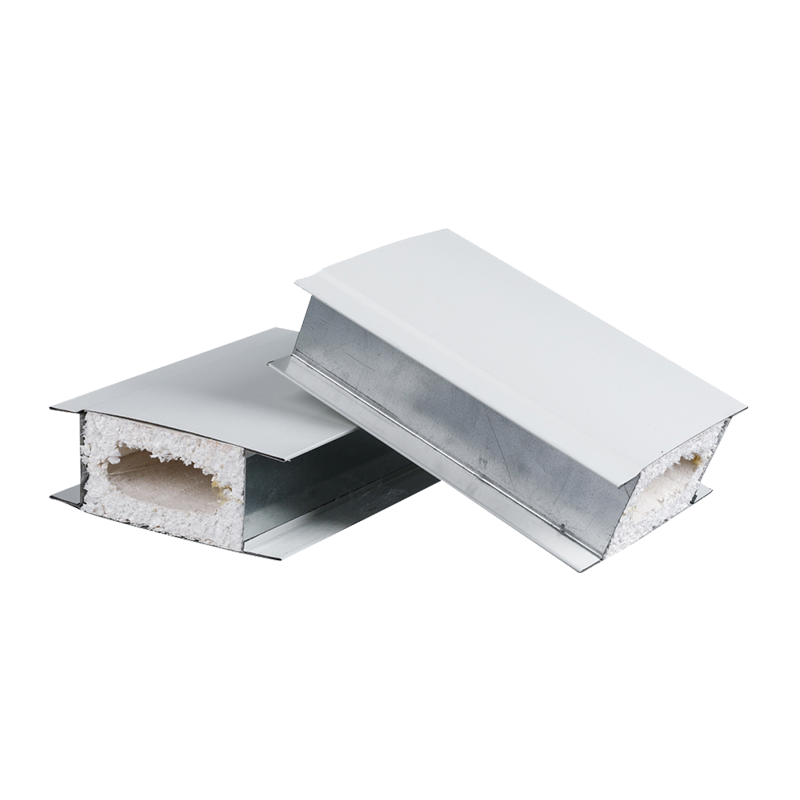
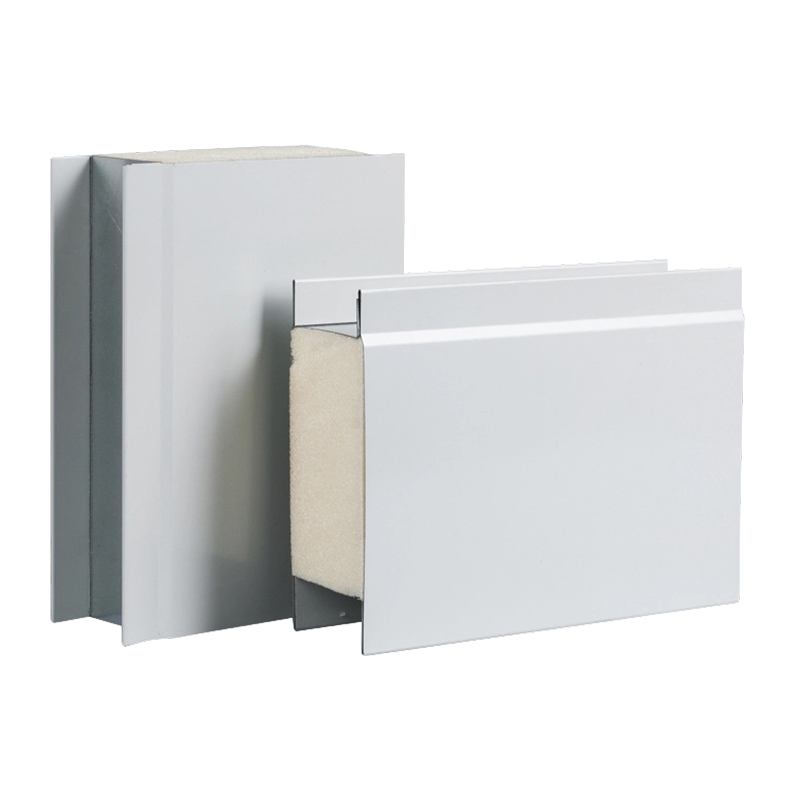
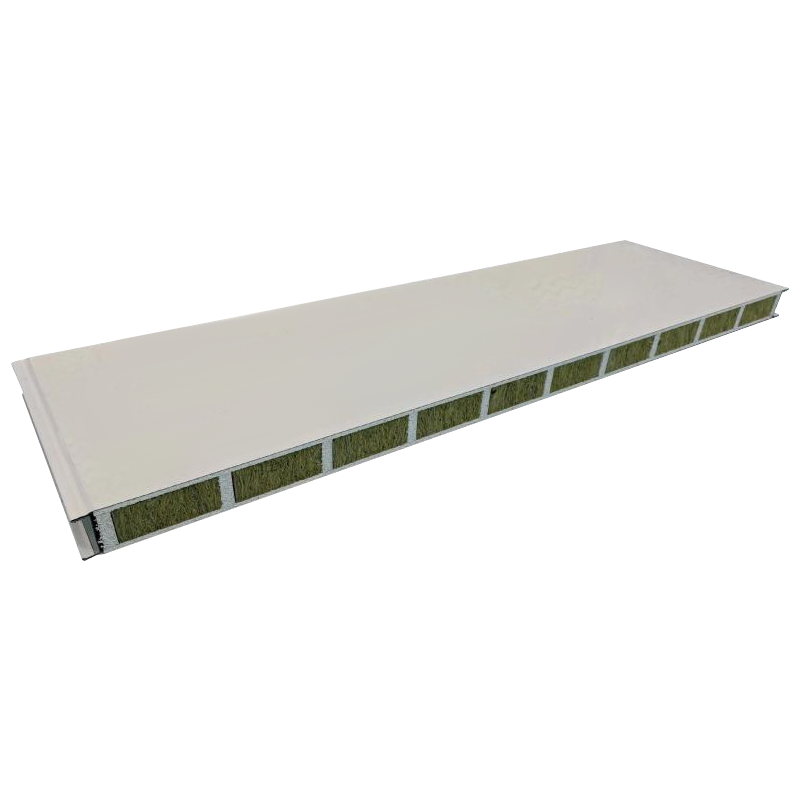
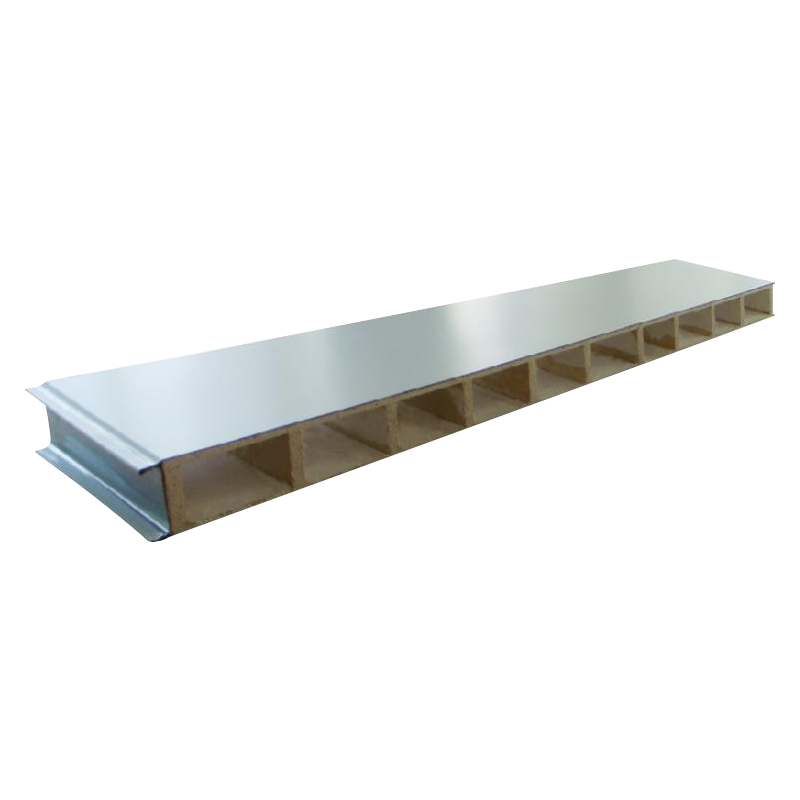
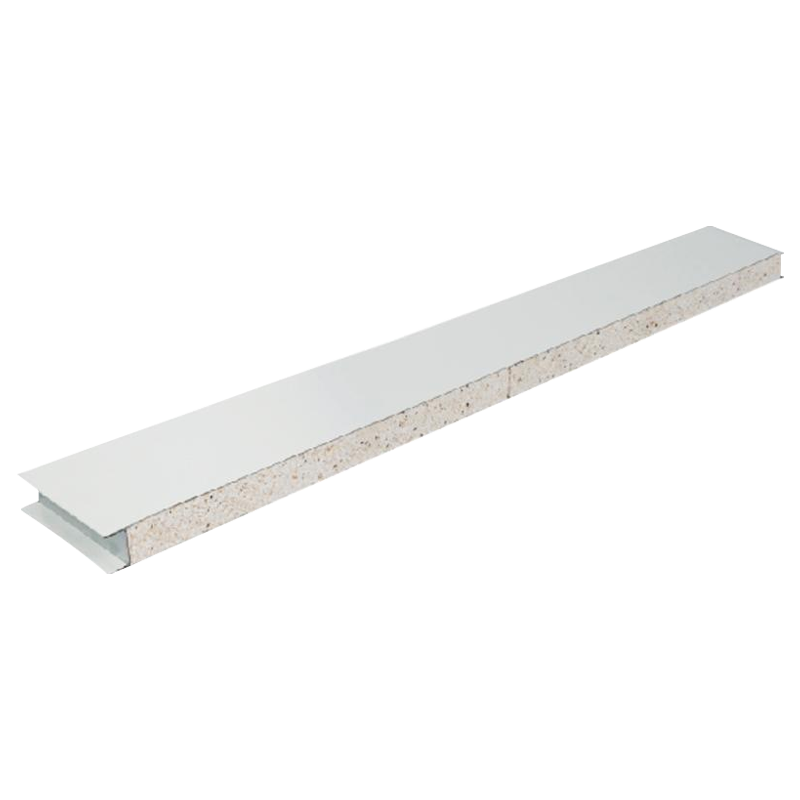
Mechanically manufactured cleanroom panels are widely used in environments requiring high levels of cleanliness, temperature and humidity control, and safety performance. Their core function is to create a stable and controllable clean space environment, effectively isolating external sources of contamination and reducing the adhesion and spread of dust, bacteria, and microorganisms in the air, providing a reliable clean environment for production, medical, and scientific research activities.
In terms of performance advantages, mechanically manufactured cleanroom panels possess excellent structural stability and load-bearing capacity. The mechanical pressing process results in a denser and more uniform internal structure, ensuring high overall flatness and resistance to deformation, maintaining excellent wall and ceiling performance even after long-term use. Simultaneously, the product offers superior fire resistance, with fire-resistant core materials such as rock wool, magnesium oxide, and silicon rock available to meet A-grade non-combustible or high-grade flame-retardant standards, effectively enhancing the overall safety level of the building.
Regarding cleanliness performance, the surface of mechanically manufactured cleanroom panels typically uses color-coated steel plates, stainless steel plates, or antibacterial coating materials, offering corrosion resistance, resistance to chemical cleaning agents, ease of cleaning, and resistance to dust accumulation. This meets the long-term usage requirements of high-standard clean environments such as GMP workshops, hospital operating rooms, and electronic cleanrooms. Its excellent sealing structure design also effectively reduces dust accumulation in gaps, lowering the risk of secondary contamination.
Mechanically manufactured cleanroom panels also offer good sound insulation, thermal insulation, and energy-saving effects. The high-density core material structure effectively blocks noise transmission while reducing heat loss, helping users reduce energy consumption of air conditioning systems and achieve more energy-efficient and environmentally friendly building operation. The modular installation method also significantly improves construction efficiency, shortens construction time, and reduces overall project costs.
Product Categories
About Kaisier
Kaisier Cleans the Globe Tech Empowers Tomorrow
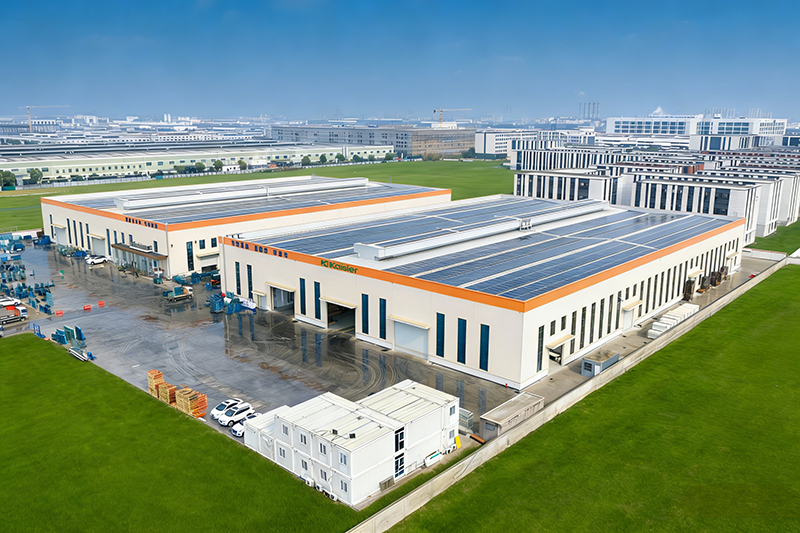
Zhejiang Kaisier Clean Technology Co.,Ltd. upholding the brand mission of "Kaisier Cleans the Globe, Tech Empowers Tomorrow", Zhejiang Kaisier Clean Technology Co., Ltd. and its Thai subsidiary are a technology-driven enterprise in the clean industry with a global layout. The company has built four modern production bases in China and Thailand, forming a "domestic coordination + international radiation" capacity network equipped with intelligent production lines and precision testing equipment to ensure stable and efficient supply.
We are a China Custom Machine Made Cleanroom Panels Factory and Machine Made Cleanroom Panels Supplier, specialize in R&D, production and sales of a full range of clean panels, including color steel sandwich panels, rock wool clean panels and magnesium oxide clean panels, which can meet the stringent requirements of Class 100 to Class 300,000 air purification projects. Our products lead the world in fire resistance, antibacterial and antistatic performance, and are widely applied in high-end fields such as healthcare, electronics and food industries, providing one-stop services from solution design to after-sales support. With technological innovation as the core and the philosophy of "precision engineering for ultimate cleanliness", we are committed to delivering safe and reliable clean space solutions for global customers.
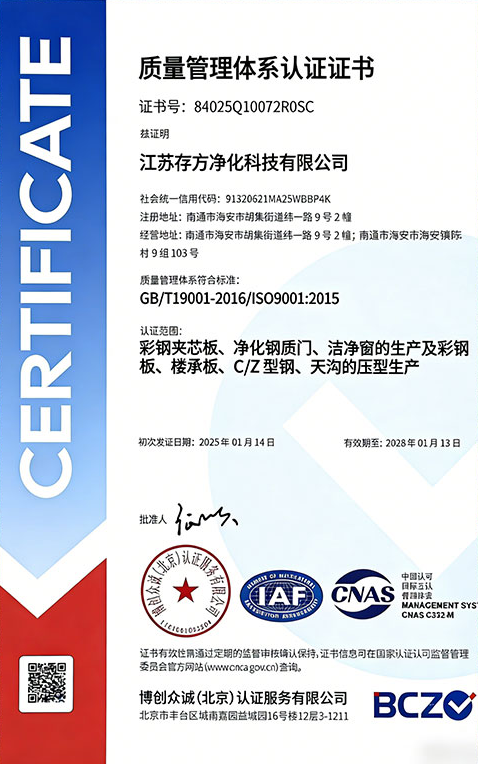
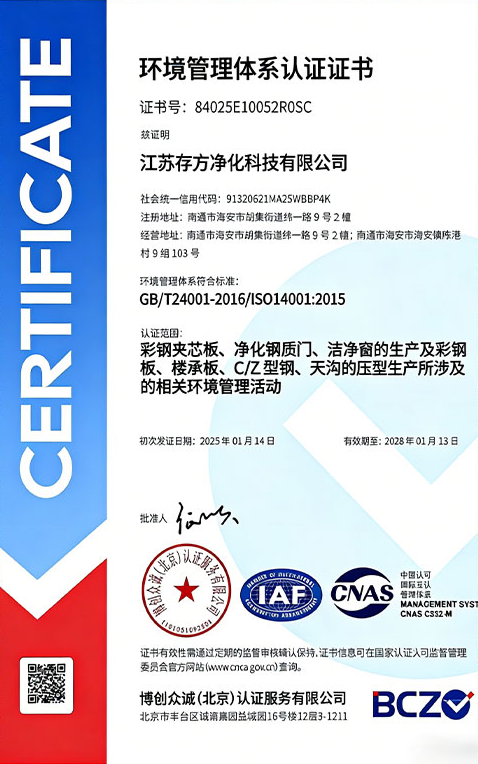
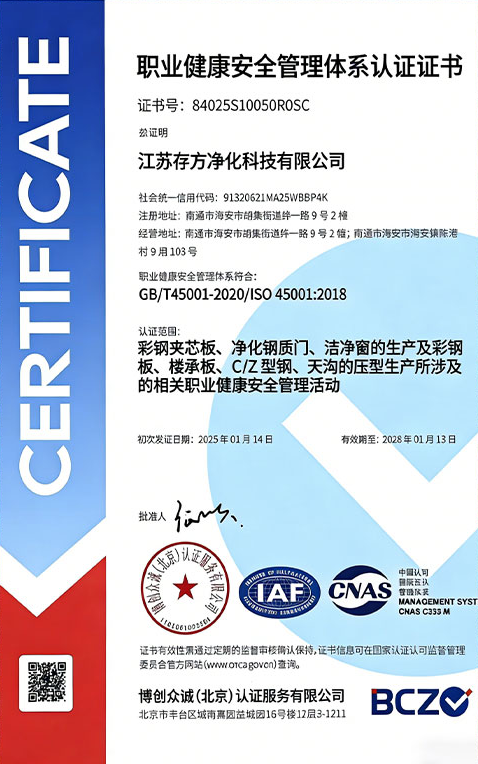
Certificate Of Honor
Our Latest News
Message Feedback
Mechanically cleaned panels Industry knowledge
In cleanroom system engineering, machine-made cleanroom panels — produced via continuous automated processes — have become the preferred material for ISO Class 7 (Class 10,000) to ISO Class 8 (Class 100,000) clean zones, as well as non-load-bearing partitions and general enclosures. The clear conclusion is: While providing good flatness, Class A fire resistance, and easy-to-clean surfaces, machine-made panels achieve 20%–30% lower total costs than manual panels, with daily output reaching 1,500–2,000 m². They are best suited for projects with tight schedules, large areas, and modest load requirements. The following provides in-depth technical reference from four dimensions: structural processes, core material performance, economic comparison, and installation specifications.
Production Process & Structural Features: Technical Advantages of Continuous Press Forming
Machine-made cleanroom panels are produced using continuous automated production lines, where the core material and facing sheets are bonded and formed in a single process via high-pressure filling or foaming. Compared to manual panels, the key difference is that machine-made panels have no perimeter reinforcing steel bands, relying instead on the bond strength between core and facing and the panel's inherent rigidity to maintain structure. Typical process parameters are as follows:
| Process Parameter | Typical Value/Range | Impact on Performance |
|---|---|---|
| Line speed | 3-8 m/min | Higher speed increases output but requires adequate core curing |
| Forming pressure | 0.5-1.2 MPa | Higher pressure yields more uniform core density and better bond strength |
| Facing thickness | 0.426-0.7 mm | Affects impact resistance and flatness retention |
| Panel thickness | 50/75/100/150 mm | Affects flexural strength and thermal insulation |
Core Material Selection Guide: Quantitative Comparison of Five Mainstream Core Types
The core material of machine-made cleanroom panels determines fire resistance, thermal insulation, strength, and cost characteristics. A detailed comparison of five common machine-made panel core materials is shown below:
| Core Material | Fire Rating | Thermal Conductivity (W/m·K) | Flexural Strength (MPa) | Relative Cost | Typical Applications |
|---|---|---|---|---|---|
| Rock Wool | Class A | 0.040 | 0.8-1.0 | Baseline | Pharmaceutical, electronics, strict fire-control areas |
| Magnesium Oxysulfate | Class A | 0.098 | 1.2-1.5 | +20% | Humid environments, food workshops, cold storage |
| Polyurethane (PU) | Class B1/B2 | 0.024 | 1.3-1.6 | +15% | Temperature-controlled cleanrooms, high energy-efficiency projects |
| Silicon Rock Board | Class A | 0.052 | 1.0-1.2 | +10% | Hospitals, schools, public building clean zones |
| EPS (Polystyrene) | Class B2 | 0.035 | 0.6-0.8 | -15% | Temporary clean zones, low-budget non-critical areas |
Economic Analysis: Cost Differences Between Machine-Made and Manual Panels
The greatest competitive advantage of machine-made panels is the cost benefit from economies of scale. Using a 5,000 m² cleanroom project (50mm rock wool core, 0.5mm double-sided color-coated steel) as an example, a comparative analysis is shown below:
| Cost Item | Machine-Made (Rock Wool) | Manual (Rock Wool) | Difference |
|---|---|---|---|
| Material cost (USD/m²) | 18.50 | 28.50 | +54% |
| Transport & installation (USD/m²) | 9.30 | 7.50 | -19% |
| Waste rate (%) | 6-8% | 2-3% | Machine-made higher waste |
| Total cost (USD/m²) | 30.80 | 38.90 | Machine-made ~21% lower |
Cleanliness Performance: Key Parameters for Surface Treatment & Seal Design
The cleanliness performance of machine-made cleanroom panels depends primarily on the facing surface treatment process and the seal design of panel joints. Industry-recommended key indicators are as follows:
- Surface coating: Standard configuration is polyester baking paint (PE), thickness ≥20μm; high-demand projects use PVDF fluorocarbon coating (thickness ≥25μm), with chemical reagent wipe resistance exceeding 10,000 cycles;
- Surface roughness: High-quality machine-made panels achieve surface roughness Ra ≤0.8μm, resisting dust accumulation and facilitating cleaning and disinfection;
- Antibacterial performance: Optional antibacterial coating provides antibacterial rate ≥99.9% against Staphylococcus aureus and E. coli (antibacterial activity value >6.0);
- Joint sealing: Machine-made panels typically use tongue-and-groove connections or center-placed sealing gaskets with neutral mildew-resistant silicone sealant, achieving air leakage ≤0.5 m³/(h·m²) at 100Pa differential pressure;
- Antistatic performance: When used in electronics factory cleanrooms, surface resistance must be controlled within 10⁶–10⁹ Ω, achievable by adding conductive materials to the coating.
For high-standard clean environments such as GMP workshops or hospital operating rooms, it is recommended to select antibacterial color-coated steel or stainless steel facings (304/316L) and perform airtightness testing on panel joints regularly (every six months).
Installation & Construction: Six Key Control Points for Machine-Made Panels On-Site
The installation quality of machine-made panels directly affects the service life and cleanliness effectiveness of the cleanroom. The following are six key control points at the construction site:
- Incoming inspection: Check each panel for diagonal deviation (≤2 mm/m), surface scratches (reject if depth >0.1 mm), and edge damage. If damage rate exceeds 3%, request replacement stock;
- Storage requirements: Machine-made panels must be stored flat on dry, level ground with stacking height ≤1.5m and wooden blocks underneath for moisture protection. Outdoor storage or storage on edge is strictly prohibited;
- Cutting specifications: Field cutting of panel width is not recommended for machine-made panels. Length cutting requires high-speed saw blades, and cut edges must be immediately coated with anti-rust paint and sealed with sealant;
- Suspension point layout: For ceiling panels, suspension point spacing ≤1.2m, and suspension points must be located near the panel's centerline. Each panel requires no fewer than 4 suspension points;
- Sealant application: Use neutral mildew-resistant silicone sealant with joint width 3-5mm and depth ≥2mm. Joints must be cleaned before application, and the sealant must not be touched before curing;
- Finished product protection: After installation, cover panels with protective film promptly to avoid scratches from subsequent trades (e.g., electrical, plumbing, HVAC). Protective film should be removed only during the final stage before project handover.
Following the above control points, machine-made cleanroom panels can achieve a service life of 8–10 years while maintaining stable cleanliness performance throughout.
Application Scope & Limitations of Machine-Made Cleanroom Panels
Machine-made cleanroom panels are best suited for the following scenarios:
- ISO Class 7 (Class 10,000) to ISO Class 8 (Class 100,000) electronics assembly workshops, food packaging rooms, general pharmaceutical support areas;
- Large cleanroom facilities exceeding 5,000 m² with high cost-control requirements;
- Projects with tight schedules requiring rapid delivery (machine-made panel lead times are typically 7–10 days shorter than manual panels);
- Areas with light suspended loads (single-point hanging ≤30 kg), such as standard lighting fixtures and lightweight ductwork.
Limitations of machine-made cleanroom panels include: ① Not suitable for heavy-load areas with single-point hanging exceeding 50 kg; ② Not suitable for cleanrooms requiring frequent reconfiguration (high damage rate during disassembly/reassembly); ③ Limited flexural performance for extra-long panels (>3.5m); ④ In high-humidity environments (>85% RH), moisture-resistant core materials such as magnesium oxysulfate must be selected — standard rock wool panels may absorb moisture and sag. In practical engineering, a hybrid strategy using both machine-made and manual panels is recommended to leverage the strengths of each.

- E-Mail: [email protected]
- Tel: +86 18968239620
- Address: Room No.905, He Yuan Mansion, No. 382, Tianda Lane, Ningbo Southern Business District, Yinzhou Ningbo China
Quick Links
Contact Us
? Copyright Zhejiang Kaisier Clean Technology Co.,Ltd.
All Rights Reserved.
 Custom Machine Made Cleanroom Panels Factory
Machine Made Cleanroom Panels Supplier
Custom Machine Made Cleanroom Panels Factory
Machine Made Cleanroom Panels Supplier
-
+86 18968239620
-
-
