

 en
en
 English
 русский
 Español
 عربى
عربى ไทย
ไทยWhat are Color-Coated Profiled Steel Sheets?
2026-07-27 - Last Updated: 2026-07-23
Content
- 1 Reading a Profile Code: What the Numbers Actually Mean
- 2 Profiled Sheet Range: Roofing, Wall and Floor Deck Products
- 3 Load Capacity: Why Wave Height Drives Purlin Spacing
- 4 Coating Systems: The Real Driver of Service Life
- 5 Specifying Profiled Sheets for Cleanroom and Controlled Environments
- 6 Selection Checklist by Building Type
- 7 Frequently Asked Questions
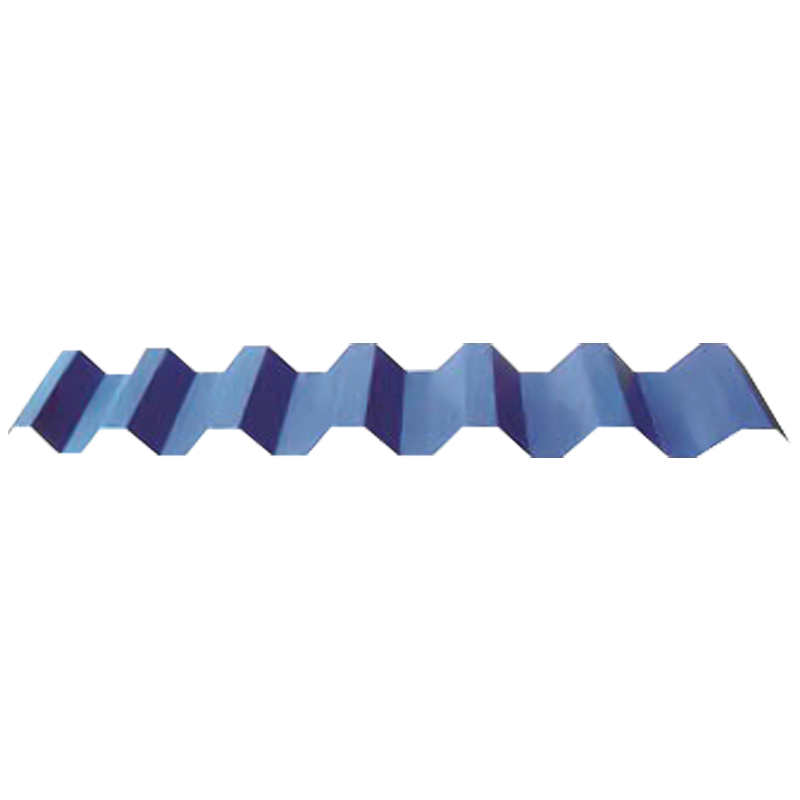
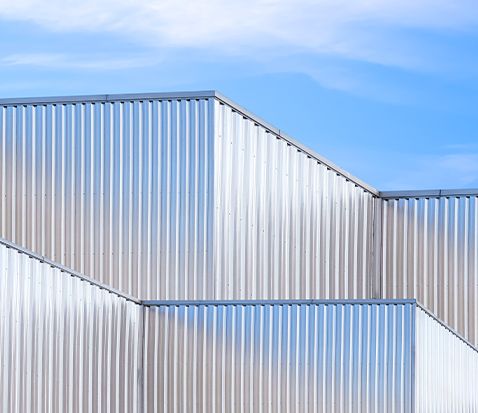
A color-coated profiled steel sheet is a galvanized or aluminum-zinc steel sheet, cold-formed into a wave or rib pattern and finished with a baked coating, used for roofing, wall cladding, and floor decking. The wave height decides what the sheet is good for: sheets under 25mm suit wall cladding, 35-50mm sheets handle general roofing, and profiles at 70mm or above carry heavy loads across wide purlin spacing. Matching the profile and coating to the building type typically raises material efficiency by 20-30 percent and pushes the usable service life to 15-25 years depending on the coating grade selected.
Reading a Profile Code: What the Numbers Actually Mean
Every profiled sheet model is described by three figures written as wave height, wave spacing, and effective width, for example YX50-410-820. Wave height controls stiffness and load capacity, wave spacing affects how the sheet resists point loads and foot traffic during installation, and effective width tells you how much coverage one sheet gives after overlapping the ribs. Reading these three numbers correctly is the fastest way to avoid ordering the wrong profile for a project.
15mm-113mm Wave height range across common profiles
0.4mm-1.2mm Sheet thickness by application
Up to 25 yrs Service life with PVDF coating
| Model | Wave Height | Effective Width | Typical Use |
| YX15-225-900 | 15mm | 900mm | Wall cladding, facade decoration |
| YX25-210-840 | 25mm | 840mm | General plant and warehouse roofing |
| YX35-125-750 | 35mm | 750mm | High-strength factory roofing |
| YX50-410-820 | 50mm | 820mm | Wide purlin spacing, load-bearing roof |
| YX71-380-760 | 71mm | 760mm | Large-span, heavy-duty industrial roof |
Profiled Sheet Range: Roofing, Wall and Floor Deck Products
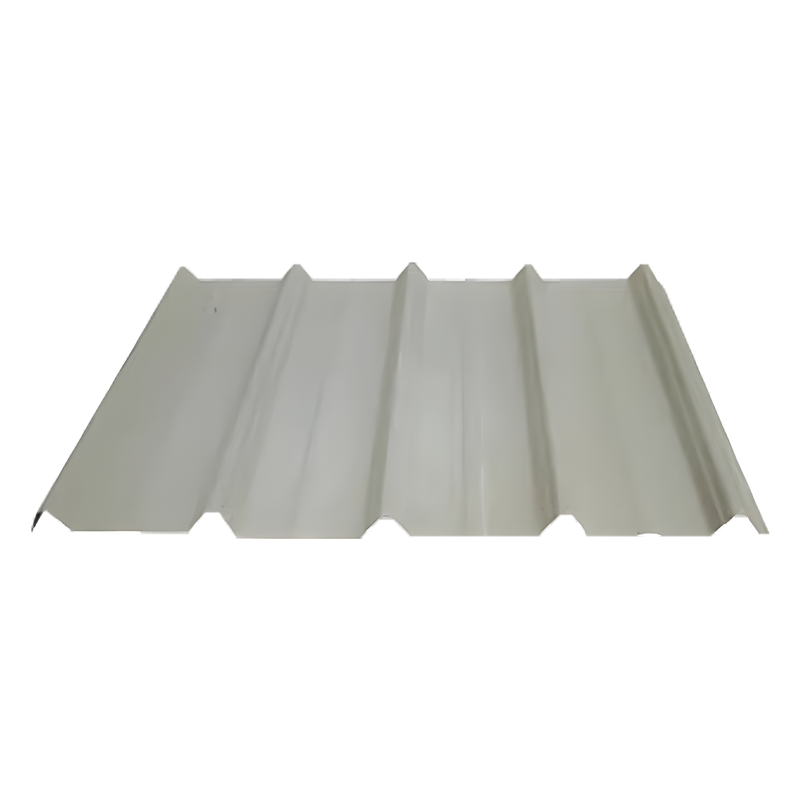
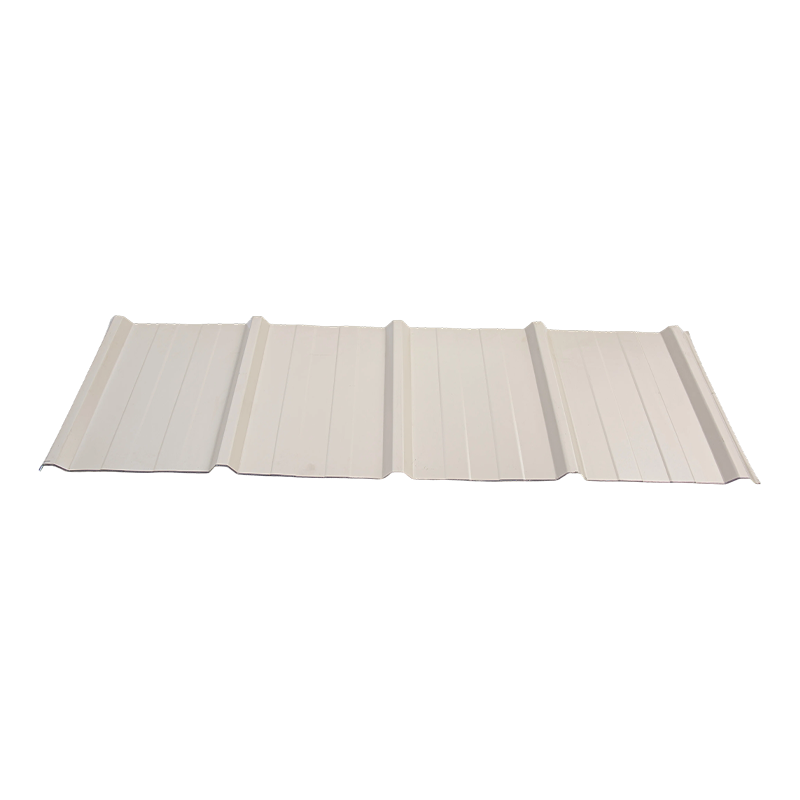
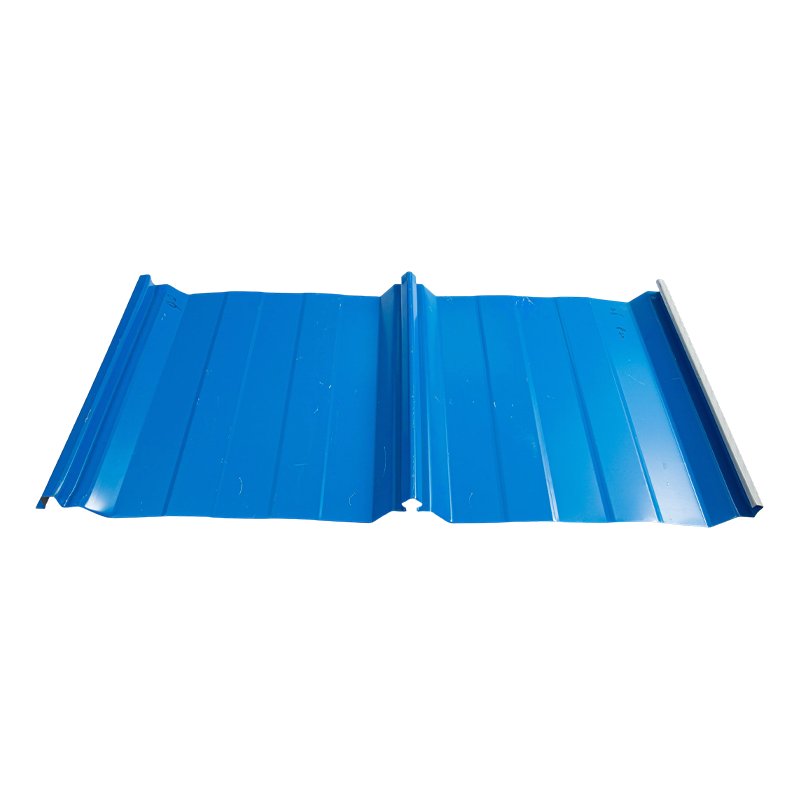
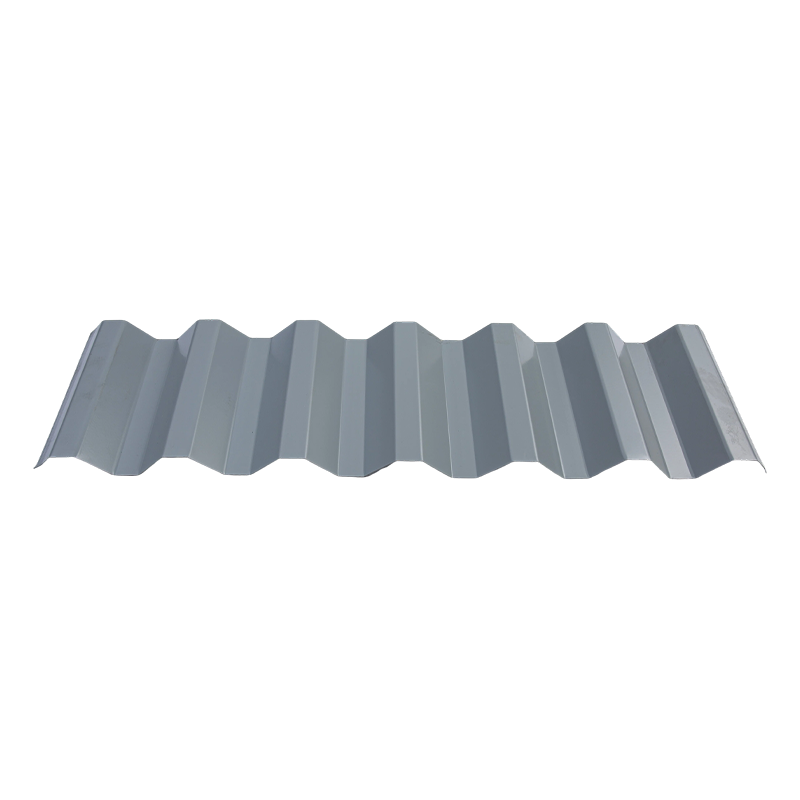
The catalog below groups five widely specified profiles by function, from light wall cladding to composite floor decking, so a project team can shortlist the correct model before requesting a quotation.
Color-Coated Steel Profiled Sheet Series
Roofing, wall cladding, and floor deck profiles engineered for span, load, and coating requirements across industrial, warehouse, and cleanroom buildings.
Load Capacity: Why Wave Height Drives Purlin Spacing
Load-bearing performance comes from the section modulus of the wave shape, not simply from steel thickness. Two sheets of the same 0.6mm gauge can carry very different loads once the wave height changes. The comparison below uses a simply supported span of 1.5m at 0.6mm thickness.
| Model | Section Modulus (cm3/m) | Allowable Load (kN/m2) | Max Purlin Spacing |
| YX25-210-840 | 8.5 | 1.8 | 1.2m |
| YX35-125-750 | 11.5 | 2.4 | 1.5m |
| YX50-410-820 | 15.2 | 3.2 | 1.5m |
| YX71-380-760 | 22.8 | 4.5 | 1.8m |
In practice this means a warehouse with a purlin grid wider than 1.5m needs at least the YX50 profile, while heavy-duty plants with equipment loads on the roof, or wide-span logistics buildings, should default to the YX71 series to stay within a safe deflection margin.
Coating Systems: The Real Driver of Service Life
The steel core resists loading, but the coating resists weather. Four coating families dominate the market, and choosing the wrong one for the environment is the most common cause of premature roof replacement.
Polyester (PE) 7-10 years
Economical baseline coating for dry inland sites with low corrosion exposure.
Silicon-Modified Polyester (SMP) 10-15 years
Better UV and salt-spray resistance, a common mid-tier choice for general plants.
High Durability Polyester (HDP) 12-18 years
Suited to buildings with higher performance requirements and longer maintenance cycles.
PVDF 20-25 years
At least 70 percent Kynar resin content, salt spray resistance above 1500 hours, self-cleaning surface, the standard for coastal and chemical sites.
As a working rule, every 0.1mm added to sheet thickness raises load capacity by roughly 15-20 percent, while moving one tier up the coating scale roughly doubles the years before visible fading or chalking appears.
Specifying Profiled Sheets for Cleanroom and Controlled Environments
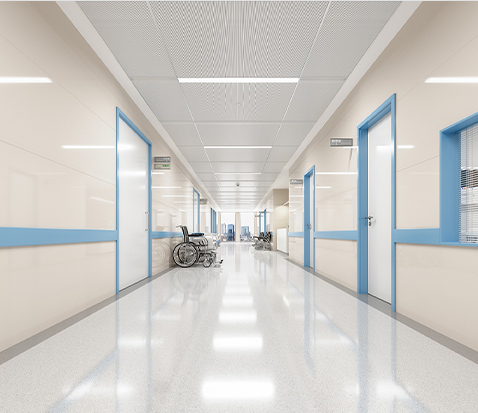
Cleanroom buildings place extra demands on the exterior shell beyond structural loading, since airtightness and thermal control affect the performance of the internal cleanroom systems. Profiled sheets used on cleanroom envelopes generally follow four rules:
- Roof profiles at 50mm-71mm wave height, minimum 0.6mm thickness, with HDP or PVDF coating to reduce long-term maintenance disruption above sensitive production floors.
- Wall cladding profiles paired with an interior rock wool or magnesium oxysulfate insulation layer, since single-skin profiled sheet alone does not meet cleanroom thermal or airtight requirements.
- Light exterior colors such as off-white or ivory to reduce solar heat gain and lower the load on air handling equipment.
- Sealed laps of at least 200mm with weather-resistant silicone, and waterproof fasteners set at wave crests rather than troughs, to prevent leak paths into the clean envelope.
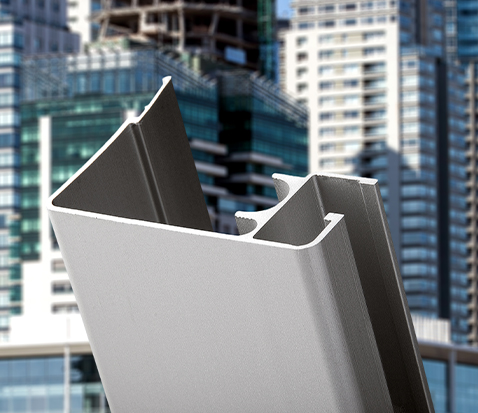
Where the structure supports a full cleanroom fit-out, the profiled sheet functions as the outer skin of a broader steel structure system, working alongside sandwich panels, purlins, and floor decking to form the complete building envelope.
Selection Checklist by Building Type
| Building Type | Roof Model | Coating | Thickness |
| General industrial plant | YX25 or YX35 | PE or SMP | 0.5-0.6mm |
| Large-span logistics center | YX71 | SMP or HDP | 0.6-0.8mm |
| Coastal or chemical site | YX50 or YX71 | PVDF | 0.6-0.8mm |
| Cleanroom building envelope | Sandwich panel + YX15 liner | HDP or PVDF | 0.5-0.6mm outer sheet |
Frequently Asked Questions
How thick should a profiled sheet be for my project?
Wall cladding typically uses 0.4-0.6mm, general roofing 0.5-0.6mm, load-bearing roofing 0.6-0.8mm, and composite floor decking 0.8-1.2mm. Each additional 0.1mm of thickness adds roughly 15-20 percent to load capacity at the same span.
Is PVDF coating worth the extra cost over standard polyester?
In coastal, chemical, or high-UV environments, yes. PVDF resists salt spray beyond 1500 hours and keeps color stability for 20-25 years, compared with 7-10 years for standard polyester, so the higher upfront cost is usually offset by avoiding an early recoat or replacement.
Can profiled sheets be used on curved roofs?
Yes, provided the bend radius is at least 15 times the wave height, the coating generally survives cold bending on site. Tighter radii should use factory pre-curved sheets or a standing seam aluminum-magnesium-manganese system instead.
What fire rating applies to profiled steel sheet roofing?
The steel substrate itself is non-combustible. Overall rating depends on the insulation behind it: rock wool insulation keeps the assembly at Class A, polyurethane typically rates Class B1/B2, and EPS rates B2/B3. Cleanroom buildings should specify rock wool to hold Class A.
What should be checked during on-site acceptance?
Confirm no scratches, dents, or bubbles and uniform color across sheets, check length deviation within plus or minus 5mm and wave height within plus or minus 1mm, verify coating thickness with a gauge, confirm steel grade and zinc coating weight from the mill certificate, and run a cross-cut adhesion test where coating loss should stay under 5 percent of the tested area.
Message Feedback
Product Categories
Easily navigate and discover our complete range of solutions through our logically structured product
categories.


- E-Mail: [email protected]
- Tel: +86 18968239620
- Address: Room No.905, He Yuan Mansion, No. 382, Tianda Lane, Ningbo Southern Business District, Yinzhou Ningbo China
Quick Links
Contact Us
© Copyright Zhejiang Kaisier Clean Technology Co.,Ltd.
All Rights Reserved.
 Cleanroom Systems Manufacturer
Modular Cleanroom Solutions Factory
Cleanroom Systems Manufacturer
Modular Cleanroom Solutions Factory
-
+86 18968239620
-
-
