

 en
en
 English
 русский
 Español
 عربى
عربى ไทย
ไทย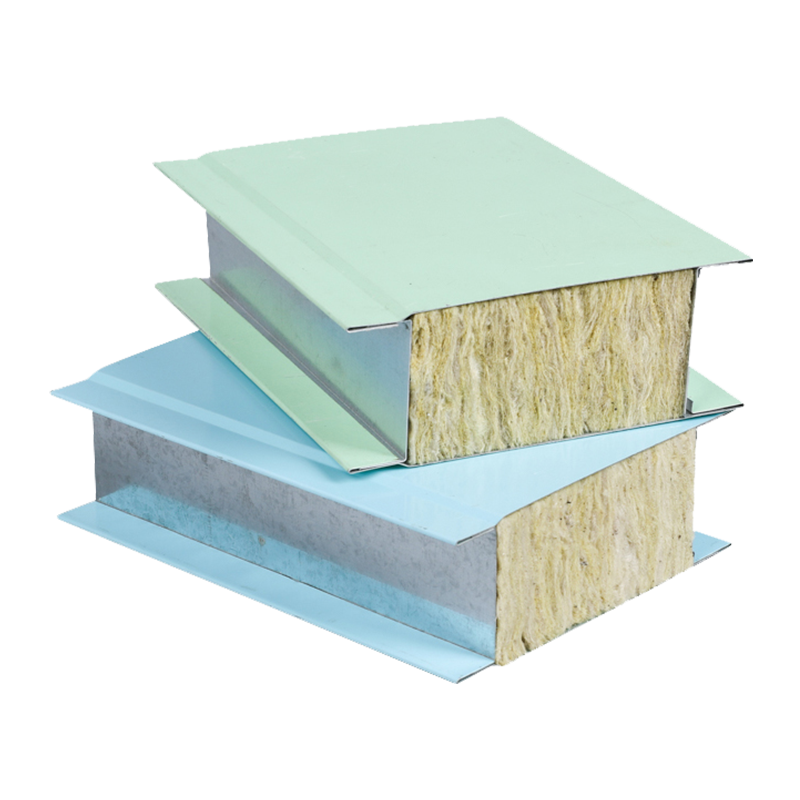
-
Kaisier Clean Technology Announces Official Operation of New Thailand Production Base, Enhancing Global Supply Chain Resilience
Jan, 30, 2026
Industry NewsZhejiang Kaisier Clean Technology Co., Ltd., a leading provider of high-performance cleanroom solutions, is proud to announce the official commencement of opera... -
Kaiser Unveils Next-Gen Antimicrobial Clean Panel Series, Setting New Benchmark for Healthcare & High-Tech Facilities
Jan, 30, 2026
Industry NewsInnovating at the intersection of safety and purity, Zhejiang Kaiser Clean Technology Co., Ltd. has launched its next-generation clean panel series, engineered ... -
Kaisier Clean Technology Showcases Total Cleanroom Solutions at SEMICON Southeast Asia 2024, Highlighting “One-Stop Service” Model
Jan, 30, 2026
Industry NewsZhejiang Kaisier Clean Technology Co., Ltd., together with its Thai subsidiary, successfully participated as an exhibitor at SEMICON Southeast Asia 2024, one of... -
A Complete Guide to Cleanroom System Selection
Apr, 22, 2026
Industry NewsHow to Choose a Cleanroom System? The core of selecting a cleanroom system lies in the "Three-Step Lock Method" — first, determine the cleanliness level based o...
Cleanroom systems Supplier
A cleanroom system is a highly sophisticated environmental control system designed specifically to control air pollution and particulate matter concentration. It is widely used in fields requiring strictly controlled clean environments, such as semiconductor manufacturing, biopharmaceutical production, and medical device manufacturing. Through various methods including filtration, purification, and temperature and humidity control, it ensures the cleanliness of the air in the work area, preventing external pollutants from interfering with the production process, thereby improving product quality and production efficiency.
Product Categories
About Kaisier
Kaisier Cleans the Globe Tech Empowers Tomorrow
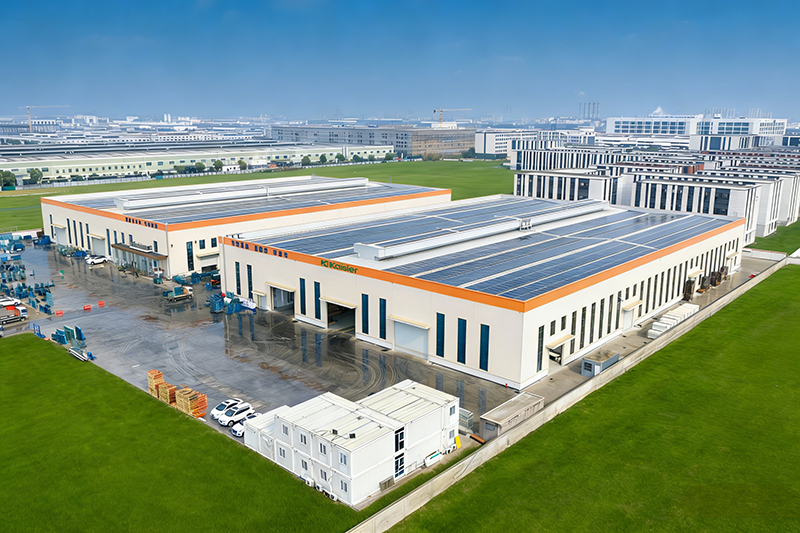
Zhejiang Kaisier Clean Technology Co.,Ltd. upholding the brand mission of "Kaisier Cleans the Globe, Tech Empowers Tomorrow", Zhejiang Kaisier Clean Technology Co., Ltd. and its Thai subsidiary are a technology-driven enterprise in the clean industry with a global layout. The company has built four modern production bases in China and Thailand, forming a "domestic coordination + international radiation" capacity network equipped with intelligent production lines and precision testing equipment to ensure stable and efficient supply.
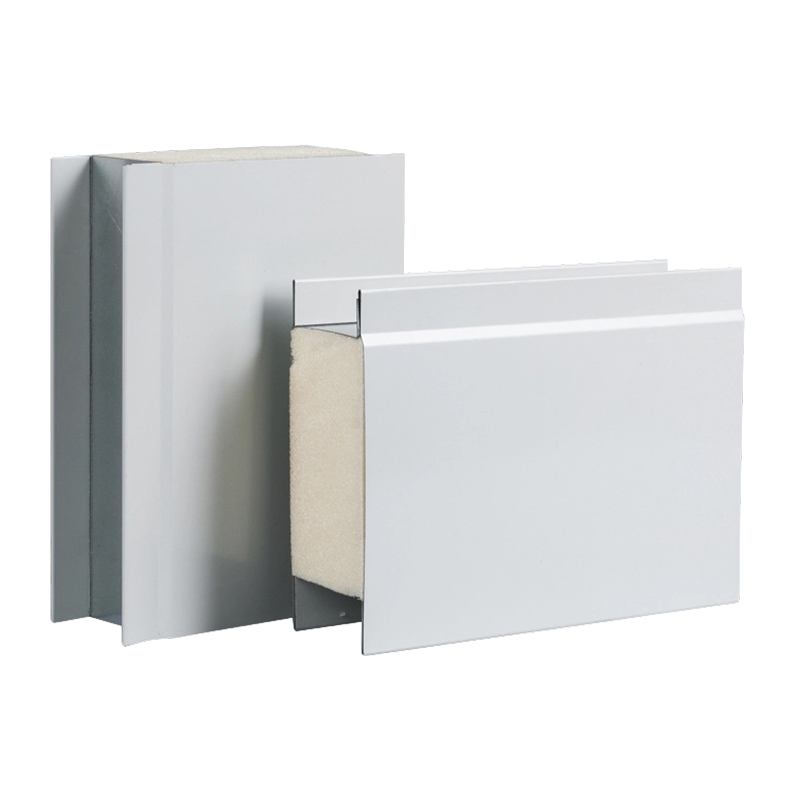
We are a China Custom Cleanroom systems Factory and OEM Cleanroom systems Supplier, specialize in R&D, production and sales of a full range of clean panels, including color steel sandwich panels, rock wool clean panels and magnesium oxide clean panels, which can meet the stringent requirements of Class 100 to Class 300,000 air purification projects. Our products lead the world in fire resistance, antibacterial and antistatic performance, and are widely applied in high-end fields such as healthcare, electronics and food industries, providing one-stop services from solution design to after-sales support. With technological innovation as the core and the philosophy of "precision engineering for ultimate cleanliness", we are committed to delivering safe and reliable clean space solutions for global customers.
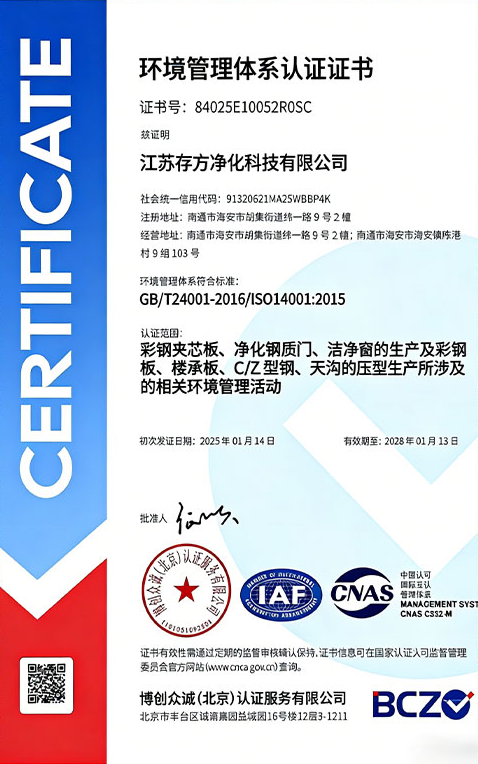
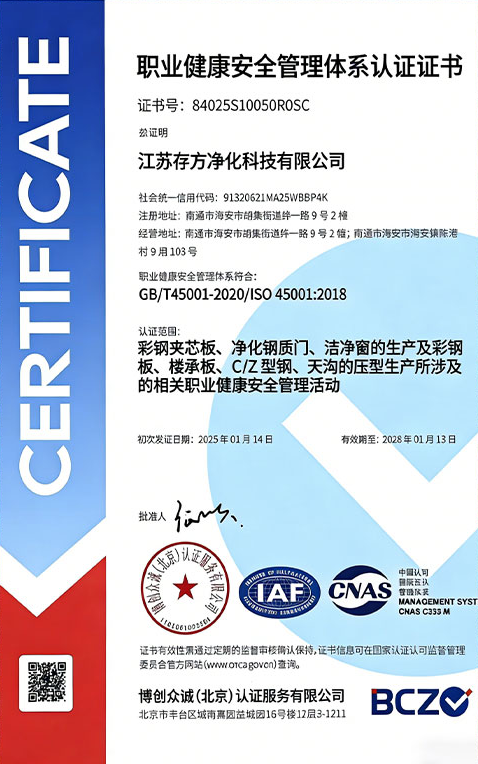
Certificate Of Honor
Our Latest News
Message Feedback
Cleanroom systems Industry knowledge
In the construction of cleanroom systems, the selection of wall and ceiling panels directly impacts cleanliness level, structural strength, and long-term operating costs. The clear industry conclusion is: Machine-made panels dominate large-scale general-purpose cleanrooms due to high efficiency and low cost, while manual cleanroom panels, with superior flatness and custom load-bearing capacity, become the first choice for high-end biopharmaceutical and semiconductor core areas. There is no absolute superiority between the two technologies — the key lies in matching project requirements for fire resistance, strength, installation timeline, and budget.
Machine-Made Panels: Performance Boundaries & Data from Mass Production
Machine-made panels are produced on continuous automated lines using high-pressure filling of core materials. Common types include rock wool, magnesium oxysulfate, and polyurethane. Their typical performance parameters are as follows:
| Core Material | Fire Rating | Thermal Conductivity (W/m·K) | Typical Flexural Strength (MPa) | Common Cleanroom Applications |
|---|---|---|---|---|
| Rock Wool | Class A | 0.040 | 0.8 | Electronics factory periphery, high fire-safety areas |
| Magnesium Oxysulfate | Class A | 0.098 | 1.2 | Humid clean zones, food processing rooms |
| Polyurethane | B1/B2 | 0.024 | 1.5 | Cold storage, temperature-controlled cleanrooms |
The greatest advantage of machine-made panels is that a single production line can achieve daily output of 1500–2000 m², with total costs 20%–30% lower than manual panels of the same specifications. However, note that without additional edge reinforcement, when panel length exceeds 3.5 meters, bending deformation increases significantly — they are not recommended for main load-bearing areas in ceilings or high‑airtightness partitions.
Manual Panels: Structural Redundancy & Real-World Examples in High-End Cleanroom Systems
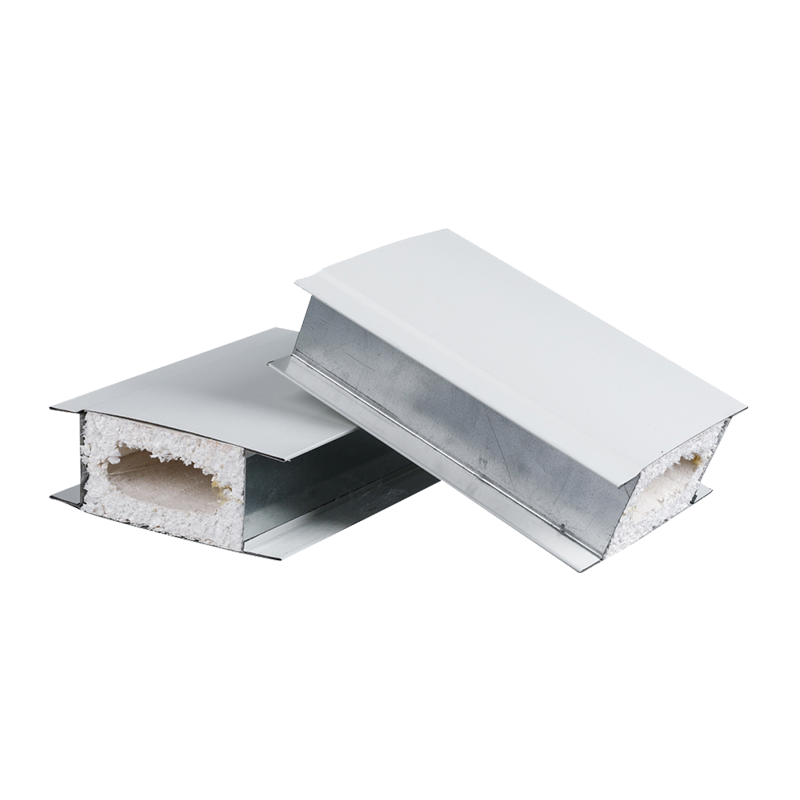
Manual panels achieve much higher mechanical strength through perimeter steel band sealing, internal reinforcing ribs, or aluminum honeycomb filling. Common types include rock wool manual panels, gypsum rock wool composite, magnesium oxide rock wool, aluminum honeycomb, and magnesium oxysulfate manual panels. Taking a Class 100,000 biopharmaceutical cleanroom project as an example, using 50mm thick aluminum honeycomb manual panels as the main partition, key data are as follows:
- Ultimate bending load: ≥2.5 kN/m² (more than 3 times that of standard machine-made rock wool panels)
- Single-point hanging capacity: ≥120 kg (allows direct installation of FFUs, lighting fixtures, air ducts)
- Surface flatness deviation ≤0.5 mm/2m, meeting Class 1000 (ISO 6) cleanroom sealing requirements
- On-site waste rate only 2%–3%, far lower than 5%–8% for machine-made panels
The disadvantages of manual panels are slower production — typically only 300–500 m² per shift — and more manual assembly steps, resulting in lead times 7–10 days longer than machine-made panels. However, for cleanroom systems requiring frequent equipment maintenance, heavy suspended loads, or extreme airtightness, the long-term reliability premium of manual panels is usually recovered within 1–2 years through reduced maintenance costs.
Selection Framework: 5 Key Parameters & Cost Comparison Table
To help cleanroom engineers make quick decisions, we recommend filtering based on the following 5 parameters:
- Cleanliness class: ISO 7 (Class 10,000) or higher → prioritize manual panels
- Hanging load: single point >50 kg → must use manual panels
- Fire resistance duration: if >2 hours required → choose rock wool manual panels
- Humidity environment: >75% relative humidity → avoid standard gypsum, recommend magnesium oxysulfate or aluminum honeycomb
- Installation schedule: less than 15 calendar days → machine-made panels are more realistic
| Cost Item | Machine-Made (Rock Wool) | Manual Panel (Aluminum Honeycomb) |
|---|---|---|
| Material cost (USD/m²) | 18.50 | 33.50 |
| Transport & installation (USD/m²) | 9.30 | 7.50 |
| Waste & accessories (USD/m²) | 3.00 | 1.65 |
| Total cost (USD/m²) | 30.80 | 42.65 |
The table shows that manual panels require about 38.5% higher initial investment. However, when factoring in lower maintenance, replacement, and downtime costs over a 10-year lifecycle, manual panels actually provide better total cost of ownership for critical cleanroom zones. In practice, a hybrid approach is recommended: use manual panels for ceilings and main partitions, and machine-made panels for non-load-bearing enclosures and secondary rooms — this currently offers the best cost‑performance ratio for cleanroom systems.
Frequently Asked Questions About Kaisier Cleanroom Systems
1. How do I choose between Kaisier machine-made and manual cleanroom panels for my project?
The choice depends on your cleanliness class, load requirements, and budget. For ISO 7 (Class 10,000) or lower, large-area general clean zones without heavy suspended loads, machine-made panels (e.g., rock wool or polyurethane) are recommended, reducing total costs by 20%–30%. For ISO 6 (Class 1,000) or higher critical areas requiring FFU or equipment hanging (e.g., biopharmaceutical filling rooms, semiconductor lithography zones), Kaisier manual panels (aluminum honeycomb or magnesium oxysulfate) are essential — they offer single-point hanging capacity up to 120 kg and flexural strength exceeding 2.5 kN/m². Kaisier provides hybrid designs: manual panels for ceilings and main partitions, machine-made panels for secondary rooms, achieving the best balance of performance and cost.
2. What are the core advantages of Kaisier magnesium oxysulfate clean panels over traditional rock wool panels?
Kaisier magnesium oxysulfate (MOS) panels excel in humid environments and high-strength applications: flexural strength reaches 1.2 MPa (rock wool only 0.8 MPa), with Class A fire rating. More importantly, MOS panels have extremely low water absorption and excellent corrosion resistance. In high-humidity (>75% RH) cleanrooms (e.g., food processing, herbal extraction workshops), they avoid the sagging or surface rust issues common with rock wool panels. Additionally, they are asbestos-free and formaldehyde-free, meeting stringent safety standards for medical and food industries.
3. How does Kaisier ensure delivery stability with its China + Thailand global production bases?
Kaisier has established four modern manufacturing bases (three in China, one in Thailand), forming a "domestic coordination + international radiation" capacity network. Machine-made panel single-line daily output reaches 1,500–2,000 m², while manual panel output is 300–500 m² per shift. All bases are equipped with intelligent production lines and precision testing equipment, enabling rapid response to Chinese and Southeast Asian markets. For Southeast Asian customers, shipping from the Thailand base reduces lead time by 7–10 days compared to exporting from China, while avoiding some cross-border logistics risks. For global orders, Kaisier commits to 15-day delivery for standard panels and 25 days for custom products.
4. What are the specific performance parameters of Kaisier clean panels in fire resistance, antibacterial, and antistatic properties?
According to third-party test reports, Kaisier’s mainstream products achieve the following industry-leading levels:
- Fire rating: Rock wool / MOS core: GB 8624 Class A1 (non-combustible); Polyurethane: Class B1 (difficult to ignite);
- Antibacterial rate: Antimicrobial activity value >6.0 against Staphylococcus aureus and E. coli (>99.9% inhibition), compliant with JG/T 396-2018;
- Antistatic performance: Surface resistance 10⁶ – 10⁹ Ω, effectively preventing static accumulation, suitable for electronic component manufacturing workshops.
All products undergo factory sampling for flatness, fire resistance, and airtightness, meeting requirements from Class 100 to Class 300,000 air purification projects.
5. Does Kaisier provide a one-stop cleanroom solution from design to after-sales support?
Yes. Kaisier is not just a panel supplier but a cleanroom system integrator. Our service chain includes: ① On-site survey & cleanliness class simulation → ② Panel selection & structural detailing (including load calculations) → ③ Factory prefabrication → ④ Installation guidance (on-site technical support available) → ⑤ Commissioning & acceptance assistance → ⑥ Long-term spare parts supply & annual inspections. For example, in a recent 10,000 m² ISO 6 cleanroom project for a Thai electronics factory, Kaisier managed the entire process from aluminum honeycomb manual panel ceiling design to FFU interface sealing, and the project passed TÜV certification in one go.

- E-Mail: [email protected]
- Tel: +86 18968239620
- Address: Room No.905, He Yuan Mansion, No. 382, Tianda Lane, Ningbo Southern Business District, Yinzhou Ningbo China
Quick Links
Contact Us
? Copyright Zhejiang Kaisier Clean Technology Co.,Ltd.
All Rights Reserved.
 Custom Cleanroom systems Factory
OEM Cleanroom systems Supplier
Custom Cleanroom systems Factory
OEM Cleanroom systems Supplier
-
+86 18968239620
-
-
