

 en
en
 English
 русский
 Español
 عربى
عربى ไทย
ไทย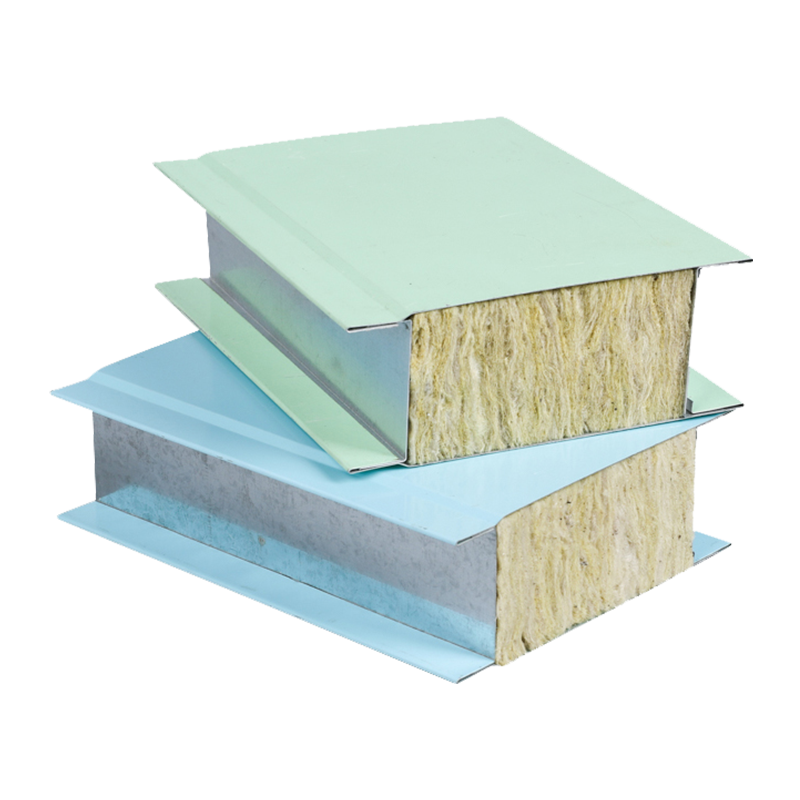

-
Kaisier Clean Technology Announces Official Operation of New Thailand Production Base, Enhancing Global Supply Chain Resilience
Jan, 30, 2026
Industry NewsZhejiang Kaisier Clean Technology Co., Ltd., a leading provider of high-performance cleanroom solutions, is proud to announce the official commencement of operations at its state-of-the-art production base in Thailand, u... -
Kaiser Unveils Next-Gen Antimicrobial Clean Panel Series, Setting New Benchmark for Healthcare & High-Tech Facilities
Jan, 30, 2026
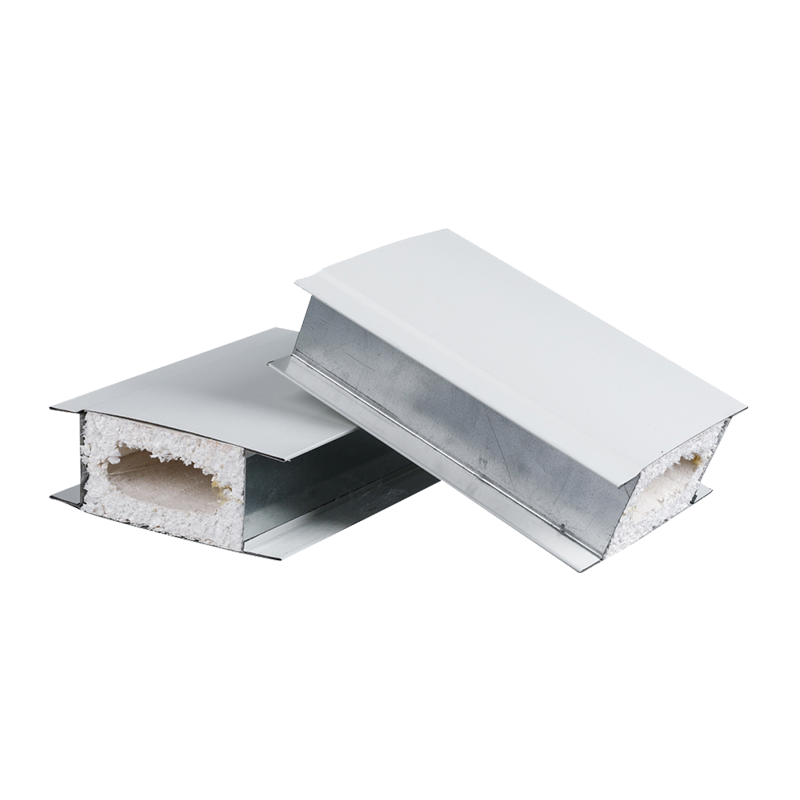
Industry NewsInnovating at the intersection of safety and purity, Zhejiang Kaiser Clean Technology Co., Ltd. has launched its next-generation clean panel series, engineered with proprietary advanced surface treatment technology. This... -
Kaisier Clean Technology Showcases Total Cleanroom Solutions at SEMICON Southeast Asia 2024, Highlighting “One-Stop Service” Model
Jan, 30, 2026
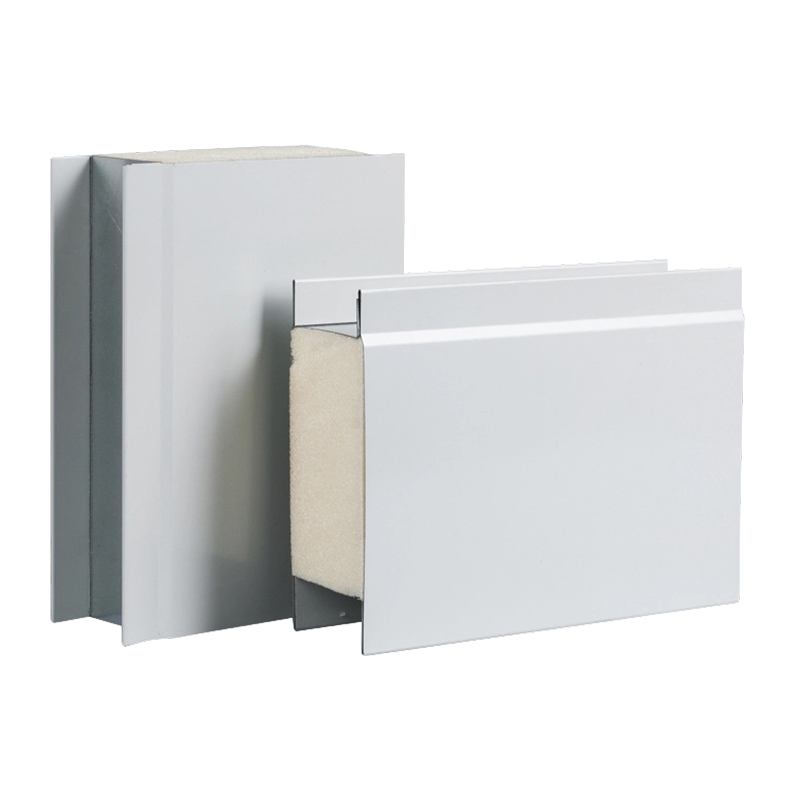
Industry NewsZhejiang Kaisier Clean Technology Co., Ltd., together with its Thai subsidiary, successfully participated as an exhibitor at SEMICON Southeast Asia 2024, one of the region’s premier events for the microelectronics manufa...
Steel floor decking Manufacturer
Product Categories
About Kaisier
Kaisier Cleans the Globe Tech Empowers Tomorrow
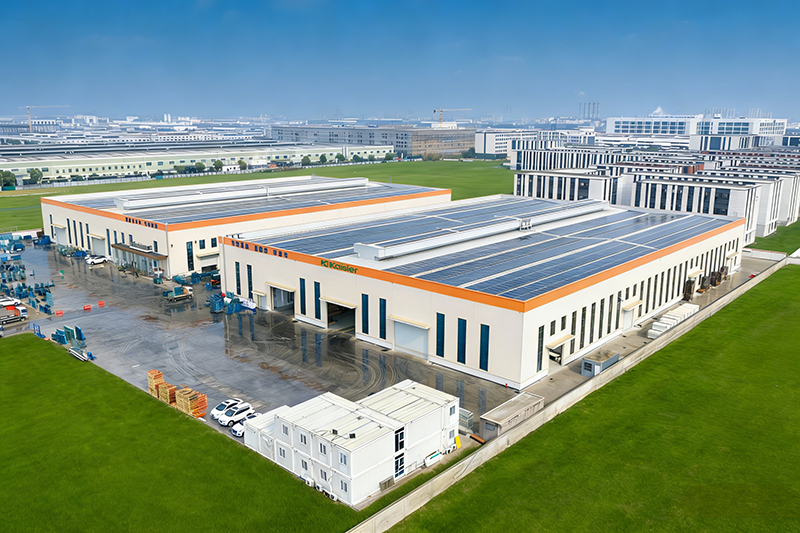
Zhejiang Kaisier Clean Technology Co.,Ltd. upholding the brand mission of "Kaisier Cleans the Globe, Tech Empowers Tomorrow", Zhejiang Kaisier Clean Technology Co., Ltd. and its Thai subsidiary are a technology-driven enterprise in the clean industry with a global layout. The company has built four modern production bases in China and Thailand, forming a "domestic coordination + international radiation" capacity network equipped with intelligent production lines and precision testing equipment to ensure stable and efficient supply.
We are a China OEM/ODM Steel floor decking Company and Steel floor decking Manufacturer, specialize in R&D, production and sales of a full range of clean panels, including color steel sandwich panels, rock wool clean panels and magnesium oxide clean panels, which can meet the stringent requirements of Class 100 to Class 300,000 air purification projects. Our products lead the world in fire resistance, antibacterial and antistatic performance, and are widely applied in high-end fields such as healthcare, electronics and food industries, providing one-stop services from solution design to after-sales support. With technological innovation as the core and the philosophy of "precision engineering for ultimate cleanliness", we are committed to delivering safe and reliable clean space solutions for global customers.
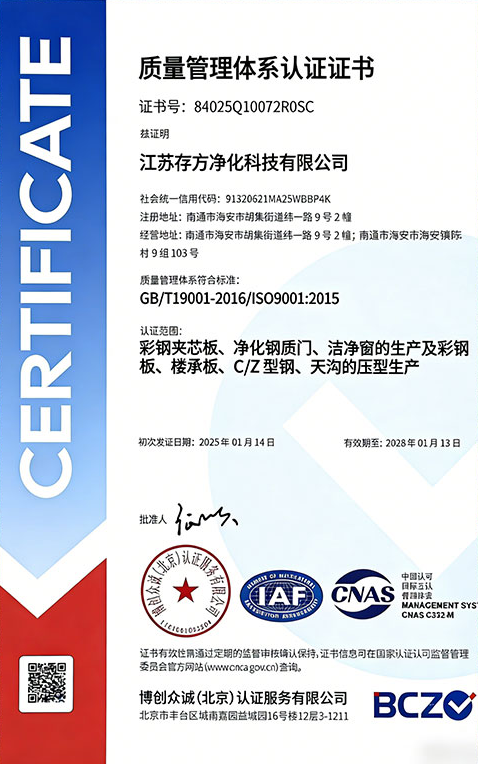
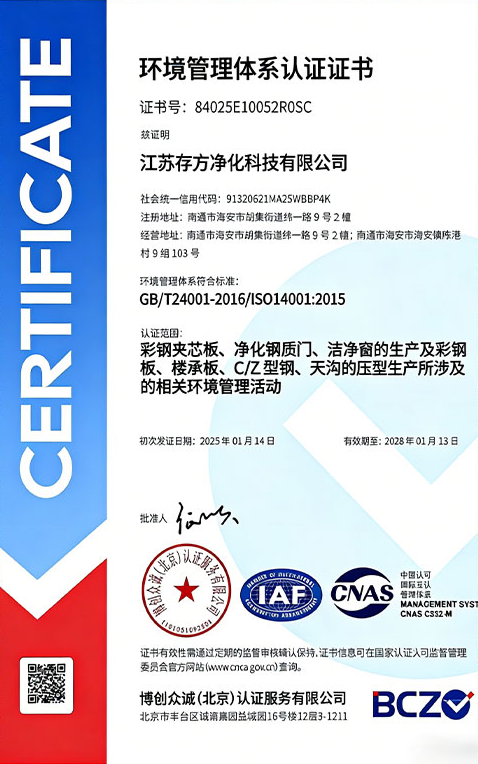
Certificate Of Honor
Our Latest News
Message Feedback
Steel floor decking Industry knowledge
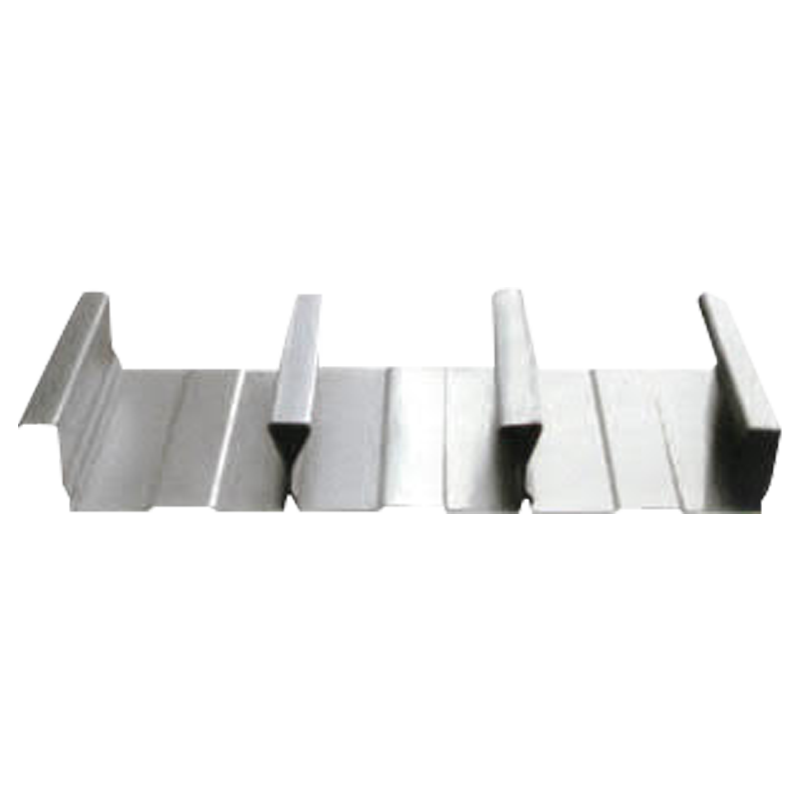
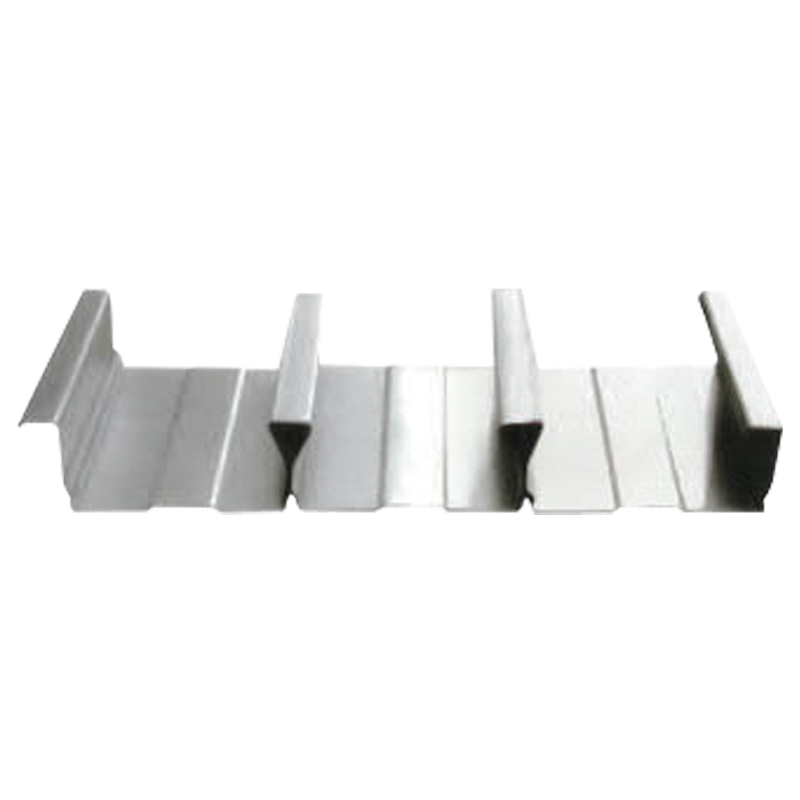
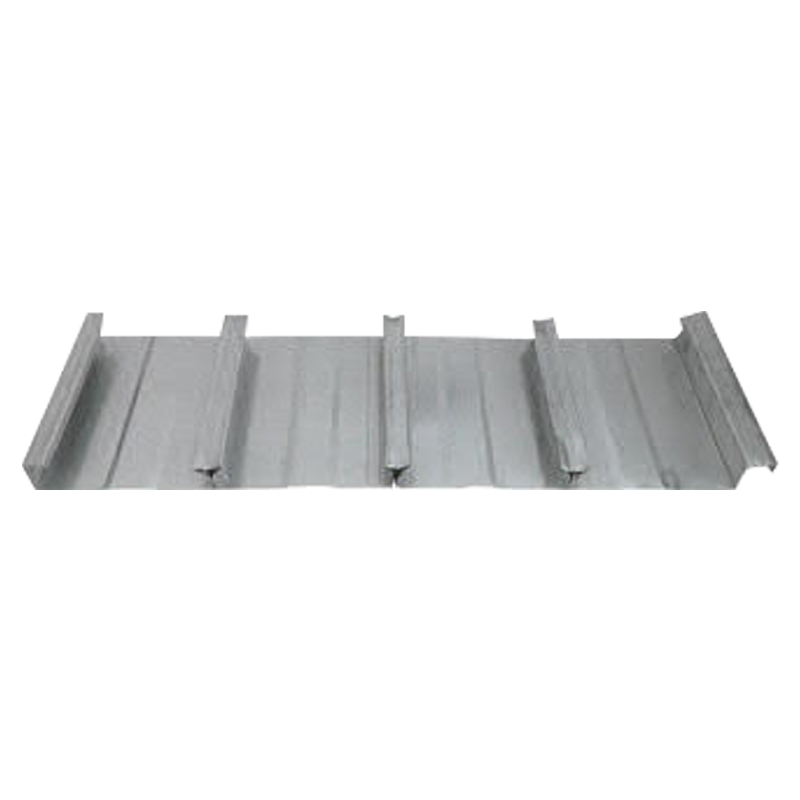
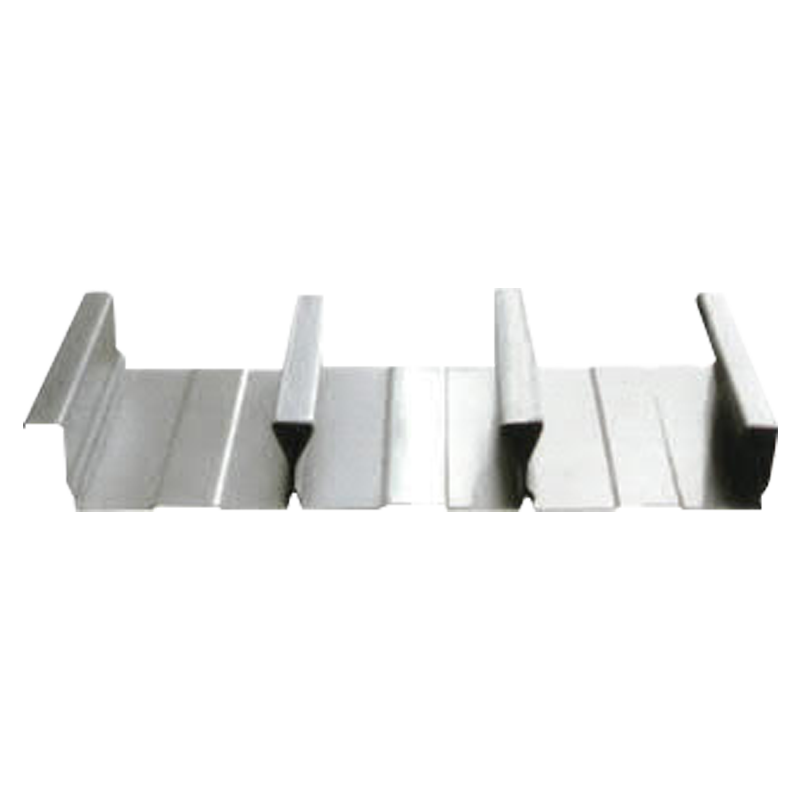
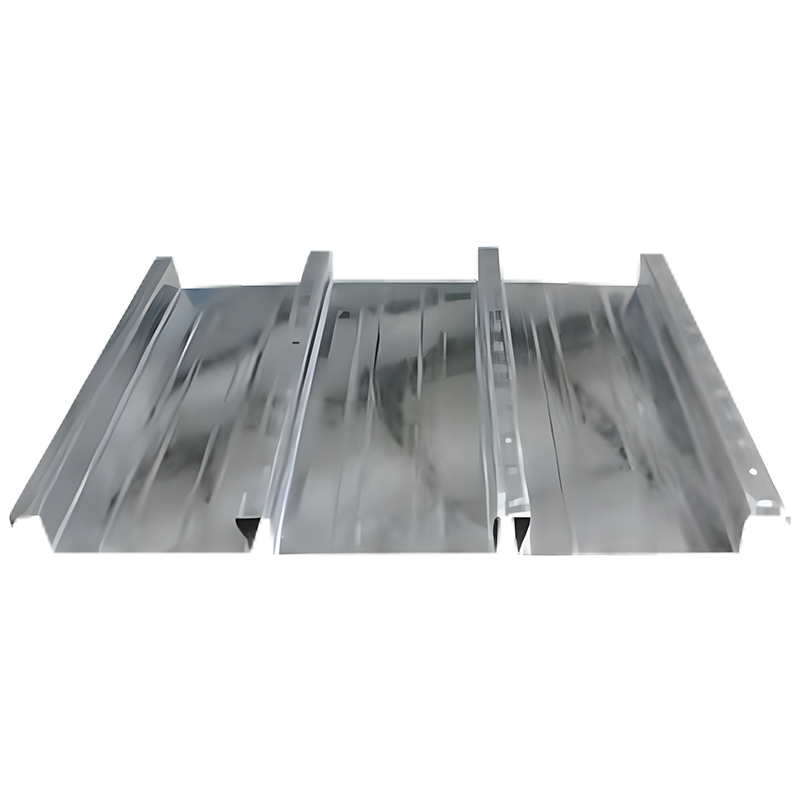
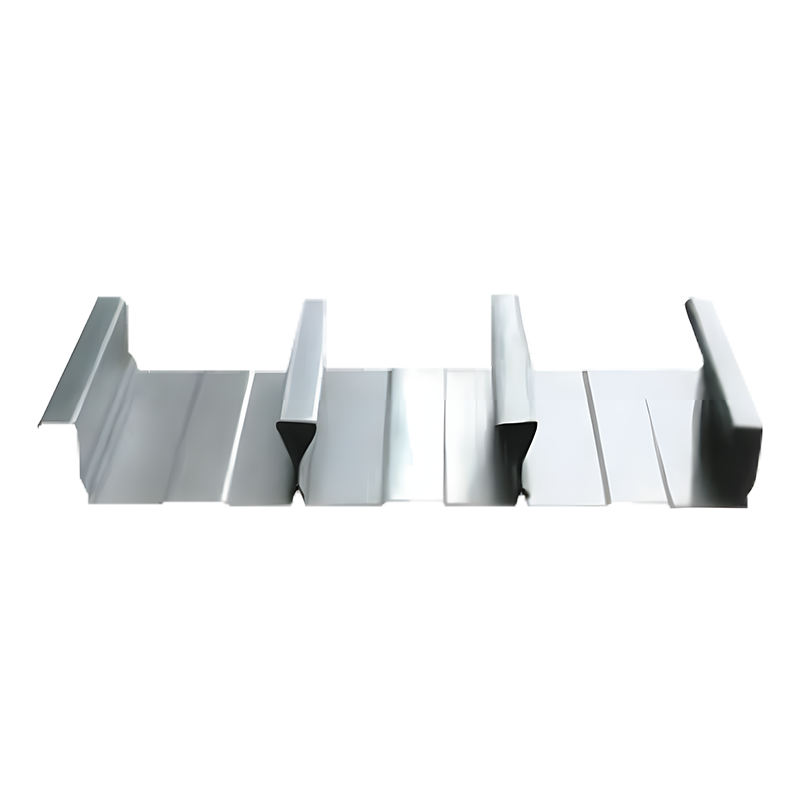
Steel floor decking is a cold-formed, galvanized steel sheet with embossed ribs and indentations that serves as both permanent formwork and composite reinforcement in concrete floor slabs. When integrated with a steel structure framework, it eliminates the need for temporary timber or plywood formwork, reduces on-site labor by 40–60%, and creates a composite floor system with superior stiffness and load-bearing capacity. Its material utilization rate typically ranges from 70–80%, making it an economically optimal solution for multi-story buildings, logistics warehouses, and large-span commercial facilities.
Unlike traditional cast-in-place concrete slabs that rely on removable formwork, steel decking remains embedded in the finished slab, actively participating in tensile reinforcement at the bottom of the floor. This dual-function characteristic is why steel decking has become standard practice in modern steel structure construction across North America, Europe, and Asia.
Key Technical Parameters and Naming Conventions
Steel floor decking products follow a standardized naming system that encodes critical geometric dimensions. Understanding this convention is essential for accurate specification and procurement.
Decoding the Model Number
A typical model designation such as YX 51-253-760 breaks down into three numerical components:
- 51 — Rib height in millimeters (wave height). This determines the composite action depth and overall slab thickness.
- 253 — Wave pitch in millimeters (center-to-center distance between adjacent ribs). This affects the decking's spanning capability and concrete grip.
- 760 — Effective coverage width in millimeters. This is the net width each sheet contributes to the floor area after overlapping.
For example, the YX 51-253-760 high-rib load-bearing steel floor deck features a 51 mm wave height, 253 mm wave pitch, and 760 mm effective coverage width with an unfolded width of 1000 mm, yielding a material utilization rate of 76%. This model is specifically engineered for multi-story and high-rise steel structure buildings where both load capacity and construction speed are critical.
Critical Dimensional Specifications
Beyond the model code, several parameters govern structural performance:
- Base steel thickness: Typically 0.8–1.5 mm for standard load-bearing applications; heavy-duty industrial floors may require up to 2.0 mm.
- Unfolded width: The flat sheet width before roll-forming, usually 1000 mm or 1250 mm, dictating coil selection and waste minimization.
- Material utilization rate: Calculated as (effective coverage width / unfolded width) × 100%. Higher rates (75–80%) indicate more efficient material use and lower per-square-meter steel consumption.
Product Range and Application Matching
Steel floor decking is not a single product but a family of profiles optimized for different structural demands. Selecting the correct profile ensures both safety and cost efficiency.
| Model | Rib Height (mm) | Wave Pitch (mm) | Coverage Width (mm) | Primary Application |
|---|---|---|---|---|
| YX 51-253-760 | 51 | 253 | 760 | Multi-story & high-rise buildings |
| YX 35-125-750 | 35 | 125 | 750 | Lightweight composite floors |
| YX 51-250-750 | 51 | 250 | 750 | Standard load-bearing floors |
| YX 75-293-880 | 75 | 293 | 880 | Heavy-duty high-strength floors |
| YX 51-304-914 | 51 | 304 | 914 | Large-span commercial & logistics |
High-Rib vs. Low-Rib Profiles
High-rib decking (rib height ≥50 mm, such as YX 51-253-760 and YX 75-293-880) provides deeper concrete embedment and superior composite bond strength. These profiles are essential for multi-story buildings and heavy industrial floors where live loads exceed 5 kN/m². The increased rib height also accommodates larger diameter shear studs, enhancing the steel-concrete interface capacity.
Low-rib decking (rib height 30–40 mm, such as YX 35-125-750) is lighter and more economical, suitable for office buildings, retail spaces, and mezzanines with moderate load requirements. The reduced profile depth allows thinner overall slab thicknesses, minimizing floor-to-floor heights and structural weight.
Composite Action and Structural Performance
The primary engineering advantage of steel floor decking lies in its ability to form a composite slab with cast-in-place concrete. This composite behavior dramatically increases floor capacity compared to non-composite systems.
Mechanism of Composite Bond
Three mechanisms ensure effective composite action:
- Mechanical interlock: The embossed indentations and dimples on the decking surface create a physical grip with the hardened concrete, preventing horizontal slip.
- End anchorage: Shear studs welded through the decking to the supporting steel beam transfer longitudinal shear forces and prevent end-slip of the decking sheet.
- Natural bond: The galvanized zinc coating on the steel surface provides a chemical adhesion with concrete, contributing to initial bond strength before mechanical interlock fully develops.
Load-Bearing and Deflection Performance
In a composite slab, the steel decking acts as the bottom reinforcement (tensile zone), while the concrete above the neutral axis resists compression. This optimized stress distribution yields:
- Span-to-depth ratios of 25–35 for simply supported slabs, compared to 15–20 for conventional reinforced concrete slabs of equivalent thickness.
- Deflection reduction of 30–50% under service loads due to the composite section's increased moment of inertia.
- Fire resistance of 1–2 hours achievable with standard concrete cover over the decking ribs, meeting building code requirements for most commercial and industrial occupancies.
Material Specifications and Manufacturing Standards
The durability and performance of steel floor decking are governed by base material selection, coating systems, and manufacturing precision.
Base Steel and Galvanizing
Base material is typically Q235 or Q345 structural steel with a yield strength of 235 MPa or 345 MPa respectively. The steel sheet undergoes continuous hot-dip galvanizing to achieve a zinc coating mass of ≥180 g/m² (equivalent to Z180 designation), providing corrosion protection for indoor environments. For aggressive environments such as chemical plants or coastal facilities, Z275 or Z350 coatings (275–350 g/m² zinc mass) are specified.
Cold-Forming and Tolerances
Decking is produced by continuous roll-forming from coil stock. Critical manufacturing tolerances include:
- Thickness tolerance: ±0.05 mm for sheets ≤1.0 mm; ±0.08 mm for sheets 1.0–1.5 mm.
- Wave height tolerance: ±1.0 mm to ensure consistent concrete cover and composite depth.
- Coverage width tolerance: ±2.0 mm per sheet to maintain proper lapping and avoid cumulative errors across multiple sheets.
Installation Workflow and Best Practices
Proper installation is critical to realizing the full structural and economic benefits of steel floor decking. The following workflow ensures quality and safety.
Pre-Installation Preparation
Before decking placement, verify that the steel beam framework is complete and aligned. Beam top flanges must be level within ±5 mm across the deck span to prevent uneven concrete thickness. Prepare layout drawings indicating sheet orientation, lap locations, and penetration openings to minimize on-site cutting.
Sheet Placement and Fastening
Sheets are laid perpendicular to the supporting steel beams, with side laps of ≥25 mm and end laps of ≥50 mm over beams. Self-drilling screws or welded studs secure the decking to the beam flanges at 300–400 mm centers. For the widened YX 51-304-914 profile, the 914 mm coverage width reduces the number of side laps by approximately 15% compared to 750–760 mm profiles, directly improving installation speed and reducing fastener consumption.
Concrete Pouring and Curing
Concrete is typically placed in a single pour to ensure monolithic behavior. Minimum concrete strength is C25 (25 MPa cylinder strength) for standard floors; C30 or higher is recommended for heavy-duty industrial applications. Slab thickness is measured from the top of the steel decking to the concrete surface, with typical values of 120–150 mm for office buildings and 150–200 mm for warehouses. Proper curing for 7 days ensures adequate strength development before loading.
Frequently Asked Questions
1.What is the difference between steel floor decking and traditional formwork?
Steel floor decking serves as permanent formwork that remains embedded in the concrete slab after pouring, actively contributing to the structural strength as bottom reinforcement. Traditional timber or plywood formwork is temporary and must be removed after concrete curing, requiring additional labor and material waste. Steel decking eliminates formwork removal, reduces on-site labor by 40–60%, and compresses floor construction cycles from 7–14 days to 3–5 days.
2.How do I choose between high-rib and low-rib steel decking profiles?
Select high-rib decking (rib height ≥50 mm) for multi-story buildings, heavy industrial floors, and applications with live loads exceeding 5 kN/m². The deeper ribs provide superior composite bond strength and accommodate larger shear studs. Choose low-rib decking (rib height 30–40 mm) for office buildings, retail spaces, and mezzanines with moderate loads. Low-rib profiles allow thinner overall slab thicknesses, reducing structural weight and floor-to-floor heights.
3.What is the typical material utilization rate for steel floor decking?
Material utilization rates typically range from 70–80%, calculated as (effective coverage width ÷ unfolded width) × 100%. For example, the YX 51-253-760 profile has a 760 mm coverage width from a 1000 mm unfolded sheet, yielding a 76% utilization rate. Higher rates indicate more efficient material use and lower per-square-meter steel consumption. Widened profiles such as YX 51-304-914 achieve even higher efficiency with a 914 mm coverage width.
4.What zinc coating specification is required for different environments?
For standard indoor environments, Z180 (180 g/m² zinc coating mass) is sufficient. For moderate industrial or humid environments, specify Z275 (275 g/m²). For aggressive environments such as chemical plants, coastal facilities, or high-corrosion areas, Z350 (350 g/m²) or specialized alloy coatings such as ZAM (Zinc-Aluminum-Magnesium) are recommended to ensure long-term corrosion resistance.
5.Can steel floor decking be used without shear studs?
Yes, for light-load applications and short spans, steel decking can function as non-composite permanent formwork without shear studs. In this case, the decking supports wet concrete and construction loads during pouring but does not participate in the final composite slab strength—bottom reinforcement must be provided by conventional rebar. For composite action and maximum span capability, shear studs are essential and must be welded through the decking to the supporting steel beams.
6.What concrete strength and slab thickness are recommended?
Minimum concrete strength is C25 (25 MPa cylinder strength) for standard commercial and residential floors. For heavy-duty industrial applications, warehouses, and areas with concentrated loads, C30 or higher is recommended. Typical slab thicknesses range from 120–150 mm for office buildings to 150–200 mm for industrial warehouses, measured from the top of the steel decking to the finished concrete surface. The rib height of the decking must be included when calculating total structural depth.
7.How does steel floor decking contribute to fire resistance?
Composite slabs with steel floor decking can achieve 1–2 hours of fire resistance with standard concrete cover over the decking ribs. The concrete acts as a thermal barrier, protecting the steel decking from rapid temperature rise during a fire event. Fire resistance ratings depend on slab thickness, concrete cover depth, and the presence of additional reinforcing mesh. For higher fire ratings (2–4 hours), supplementary reinforcement and increased concrete cover may be required.
8.What are the key quality control checks during installation?
Critical installation checks include: verifying steel beam level within ±5 mm; ensuring side laps of ≥25 mm and end laps of ≥50 mm; confirming fastener spacing at 300–400 mm centers; checking for proper sheet alignment to avoid cumulative width errors; and inspecting for coating damage that could compromise corrosion protection. Post-pouring, verify concrete thickness, curing duration of 7 days minimum, and slab flatness tolerances.

- E-Mail: [email protected]
- Tel: +86 18968239620
- Address: Room No.905, He Yuan Mansion, No. 382, Tianda Lane, Ningbo Southern Business District, Yinzhou Ningbo China
Quick Links
Contact Us
? Copyright Zhejiang Kaisier Clean Technology Co.,Ltd.
All Rights Reserved.
 OEM/ODM Steel floor decking Company
Steel floor decking Manufacturer
OEM/ODM Steel floor decking Company
Steel floor decking Manufacturer
-
+86 18968239620
-
-
