

 en
en
 English
 русский
 Español
 عربى
عربى ไทย
ไทยAir Shower Room: How It Works, Key Specs, and How to Choose the Right One | Kaisier
2026-08-31 - Last Updated: 2026-08-31
Content
- 1 What Is an Air Shower Room?
- 2 How an Air Shower Room Works, Step by Step
- 3 Where Air Shower Rooms Earn Their Keep
- 4 Personnel Showers, Cargo Showers, and Material Transfer
- 5 Specifications to Check Before You Buy
- 6 One Link in the Contamination Control Chain
- 7 Installation and Maintenance Basics
- 8 Frequently Asked Questions
- 9 The Bottom Line
Ordinary work clothing can shed hundreds of thousands of particles per minute as a person moves, and a garment worn through a warehouse corridor carries considerably more than that. An air shower room deals with this contamination at the threshold: it is a sealed entry chamber that fires HEPA-filtered air at high velocity across personnel or materials for 15–30 seconds, knocking loose surface dust before anyone reaches the cleanroom.
For buyers, the short version is this: specify nozzle velocity and an adjustable cycle time first, match the shell material to your cleaning regime, and treat the shower as one link in a chain that also covers filtration, FFUs, and gowning discipline — not as a substitute for any of them. The sections below explain the working principle, the configurations on the market, the specifications worth checking, and the maintenance that keeps the unit doing its job.
What Is an Air Shower Room?
An air shower room — also called a cleanroom air shower — is a vestibule installed between the gowning area and the cleanroom itself. Personnel walk in, the doors lock, high-pressure filtered air blows contaminant particles off garments from side and ceiling nozzles, and only then does the inner door release. In practice, that means high-pressure, HEPA- or ULPA-filtered air strips dust, lint, and other contamination from the surfaces of people or goods before they cross into the controlled zone.
A complete unit contains a small set of core components:
- A rigid shell, usually SUS304 stainless steel or powder-coated steel panels
- A pre-filter that catches coarse lint before the main filter stage
- HEPA filters (H13–H14), or ULPA filters for tighter rooms
- Centrifugal blowers sized to deliver high nozzle velocity
- Rows of adjustable nozzles on the side walls and ceiling
- Two electronically or mechanically interlocked doors
- A control panel with an adjustable cycle timer and presence sensors
Because the air recirculates through the filtration stage, the shower does not consume conditioned room air, and the interlocked doors protect the pressure cascade between gowning and clean zones. Units are most commonly specified where processes demand ISO Class 5 through ISO Class 8 conditions, and they are treated as standard equipment at semiconductor and sterile pharmaceutical entries.
How an Air Shower Room Works, Step by Step
The cycle is simple and repeats thousands of times a week in a busy facility:
- The operator enters through the outer door and closes it; sensors confirm occupancy.
- The control system engages the interlock — the inner door cannot open while the outer one is open or until the cycle completes.
- Blowers drive air through the HEPA stage and out of the nozzles at roughly 20–25 m/s, hitting garments from the side walls and overhead.
- Dislodged particles are swept into the return grille, pass through the pre-filter, and recirculate through the HEPA filter, so the chamber cleans its own air.
- After a set interval, typically 15–30 seconds, the blowers stop and the inner door releases.
Illustrative profile: most loose surface particles leave the garment in the first 10 seconds of a cycle.
That curve explains why cycle time is adjustable rather than fixed. Stretching a shower from 10 to 20 seconds removes a meaningful share of the particles that remain; stretching it to 60 seconds removes almost nothing extra and throttles shift-change throughput. Velocity matters as much as duration — below roughly 18 m/s at the nozzle, jets lose the energy to lift fine particles trapped in fabric weave. One caveat deserves plain language: an air shower supplements gowning, it does not rescue a bad one. If suits are donned poorly or made of the wrong fabric, no shower time will compensate.
Where Air Shower Rooms Earn Their Keep
Air shower rooms appear wherever people are the main contamination vector. Electronics and semiconductor plants are the classic case, where a single particle can kill a die; pharmaceutical and medical-device manufacturers place them at sterile-corridor entries; food processors rely on them to strip hair, fiber, and dust before packaging lines. Research laboratories and precision optics account for a smaller but steady share of demand.
Electronics & semiconductor — 35%
Pharmaceutical — 25%
Food & beverage — 15%
Medical devices — 15%
Research labs — 10%
Illustrative share of air shower demand by end-use sector; the actual mix varies by region and project type.
The rule of thumb most designers apply: the tighter the class, the more the shower earns its footprint. In ISO 5–ISO 6 rooms it is essentially mandatory; in ISO 8 support areas, a disciplined gowning protocol with sticky mats may be sufficient. Let the audited process risk drive the decision, not habit.
Personnel Showers, Cargo Showers, and Material Transfer
Personnel air showers
Single- and double-person units cover most installations. A single unit processes one operator per 15–30 second cycle, which supports roughly two to four people per minute at shift change when cycles are kept short. Double-width units let two operators shower simultaneously — worth considering where dozens of staff cross the entry in the same window. Standard units such as a 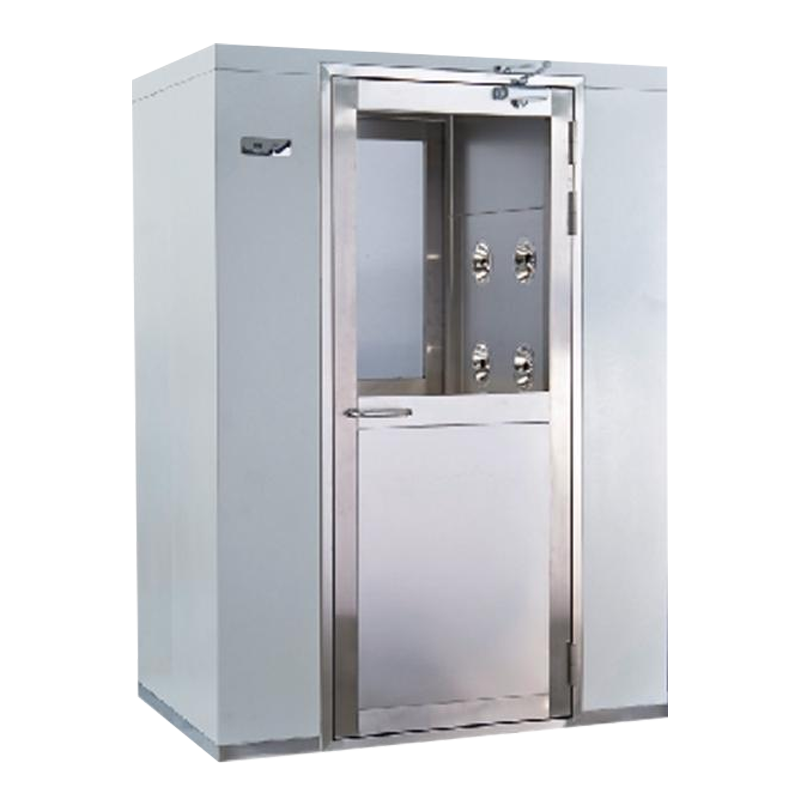 Cleanroom Air Shower for Personnel DecontaminationInstalled between clean and non-clean areas, this air shower blows dust off personnel before entry. Available in single- and double-person widths, it suits food, electronics, pharmaceutical, and healthcare cleanroom entrances.View Product → are usually the first item quoted in a cleanroom equipment package.
Cargo air showers
Material movement needs its own hardware. Cargo air showers are enlarged chambers, often fitted with floor rails and heavier blowers, sized for trolleys, carts, and wrapped pallets. Blowing down every surface of a pallet takes longer than a personnel cycle — one to three minutes is common — so cargo showers normally sit on the logistics route rather than the personnel route.
Small items: pass-through windows
For small parts, tools, and documentation, a full shower is overkill. Interlocked transfer units such as a 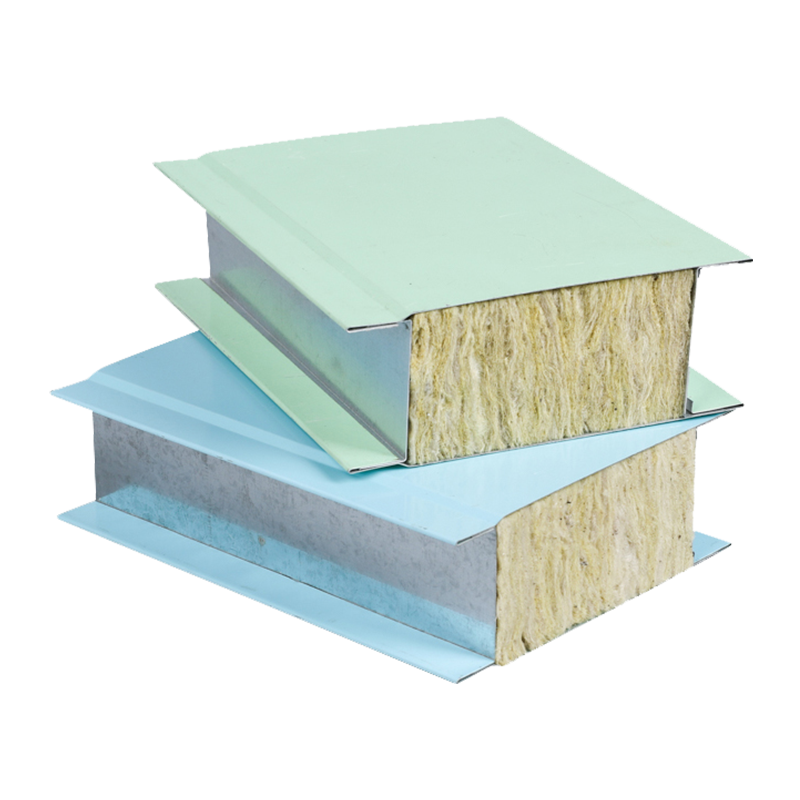 Cleanroom Pass Through Window for Goods TransferA stainless steel transfer window with interlocked doors moves small parts, tools, and documents through the cleanroom wall without opening doors, reducing contamination along the material flow.View Product → move items through the wall without propping a cleanroom door open, in mechanical-interlock, electronic-interlock, and self-cleaning versions. A typical facility pairs one personnel shower at the entry with several pass-throughs along the material flow.
Specifications to Check Before You Buy
Manufacturer datasheets differ in format, but the same handful of numbers separates a unit that works from one that merely occupies hallway space.
| Specification | Typical Range | Why It Matters |
|---|---|---|
| Nozzle air velocity | 20–25 m/s at the nozzle face | The most predictive figure on the datasheet; below roughly 18 m/s, particle removal drops off sharply |
| Cycle time | 15–30 s, adjustable | Sets throughput at shift change; cycles beyond 30 s add little cleaning benefit |
| Filtration stage | Pre-filter plus HEPA H13–H14 | ULPA filters only where ISO 5 or tighter entries justify the extra cost |
| Shell material | SUS304 stainless or powder-coated steel | Stainless for washdown pharma and food areas; coated steel usually suits electronics |
| Door interlock | Electronic or mechanical | Both doors must never open at once; electronic versions add event logging for audits |
| Blower configuration | Sized to nozzle count and target velocity | Judge measured nozzle velocity, not the motor's rated power |
Illustrative typical installed blower power; larger cargo chambers sit well above personnel units.
One Link in the Contamination Control Chain
An air shower room only pays off inside a functioning cleanroom system. The particles it misses — and the ones generated after entry — are handled downstream by the room's own filtration: ceiling-mounted FFU fan filter units push air through terminal HEPA filters, panels and doors hold the pressure cascade, and the air change rate fixed at design stage does the continuous work. Plan the shower together with these elements so nozzle velocity, filter grade, and room air changes are quoted as one package rather than ordered piecemeal from three vendors. For how those pieces fit together at project level, see our complete guide to cleanroom system selection.
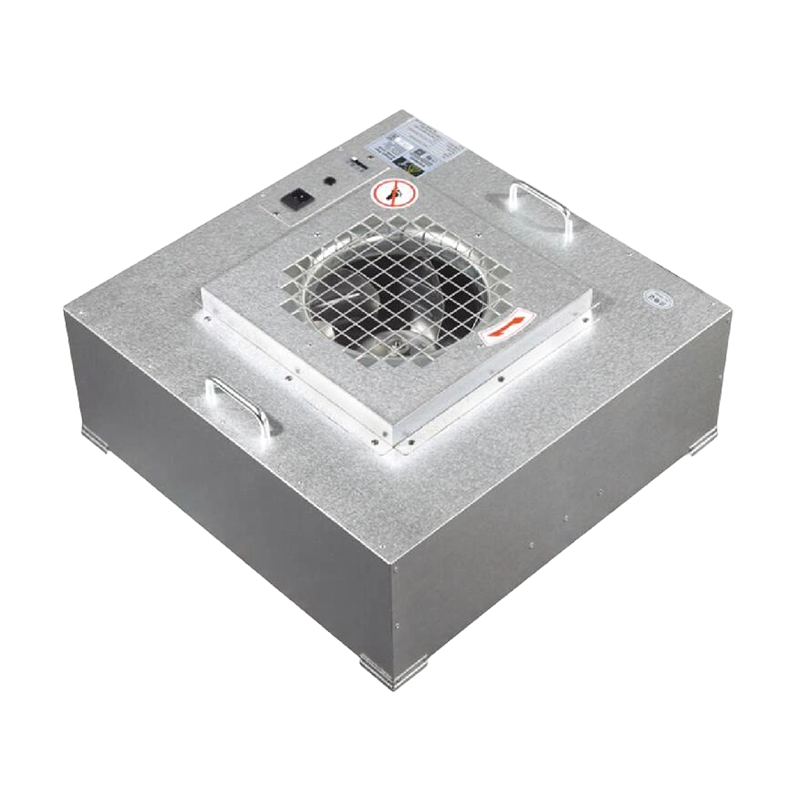 FFU Fan Filter Unit for Terminal Cleanroom FiltrationCeiling-mounted fan filter units push air through terminal HEPA filters to maintain cleanliness after entry. Pairing FFUs with an air shower keeps avoidable particles from reaching the filtration layer.View Product →
Terminal filtration such as FFU Fan Filter Unit for Terminal Cleanroom FiltrationCeiling-mounted fan filter units push air through terminal HEPA filters to maintain cleanliness after entry. Pairing FFUs with an air shower keeps avoidable particles from reaching the filtration layer.View Product → carries the load once personnel are inside, which is exactly why the entry shower matters: it stops avoidable particles from reaching that filtration layer in the first place.
Installation and Maintenance Basics
Air shower rooms are low-maintenance by design, but a few habits keep nozzle velocity where the datasheet promises:
- Clean or replace pre-filters on a fixed schedule — weekly to monthly depending on corridor dust load; a clogged pre-filter starves the blowers and cuts nozzle velocity
- Verify nozzle velocity with an anemometer quarterly and after every filter change
- Plan HEPA replacement roughly every one to three years based on pressure-drop readings, not the calendar alone
- Test door interlocks and presence sensors monthly; a failed interlock is both a contamination and a safety issue
- Wipe interior surfaces with a suitable disinfectant as part of the sanitation routine in pharma and food settings
- Leave service clearance around the plenum so filter changes do not require dismantling adjacent panels
Frequently Asked Questions
Does an air shower room actually reduce contamination?
Yes. High-velocity filtered air measurably strips particles from garments, and the mechanism is well established. Treat any published removal figure with care, though, because results depend on garment fabric, how the suit was donned, cycle time, and nozzle velocity. The practical reading: it is a strong secondary defense layered on gowning, not a replacement for it.
How long should the shower cycle be?
Fifteen to thirty seconds covers most personnel applications. If the entry logs frequent double cycles, the cause is usually gowning technique or garment type rather than an undersized blower.
Do I need both an air shower and a pass-through window?
Usually yes, because they solve different problems. The shower handles people; the interlocked pass-through handles small materials without opening a cleanroom door. Cargo showers cover the middle ground of carts and pallets.
Which cleanroom classes need an air shower?
There is no universal rule, but industry practice puts them at every entry to ISO 5–ISO 6 rooms, and at ISO 7–ISO 8 entries where the process is sensitive — semiconductor back-end lines, sterile packaging, medical devices. For a Class 300,000 storage area, gowning discipline and sticky mats may be enough.
The Bottom Line
An air shower room is a modest box with a precise job: strip contamination at the door so the room's expensive filtration is not fighting avoidable particles. Get three things right — nozzle velocity, adjustable cycle time, and an interlock you can trust — and pair the unit with sound gowning and downstream filtration. Kaisier manufactures air shower rooms within a full cleanroom system line, supported by four production bases across China and Thailand for Class 100 to Class 300,000 projects. To size a unit for your entry route, contact our team with your cleanroom class, headcount at shift change, and material flow — those three numbers settle most of the specification.
Message Feedback
Product Categories
Easily navigate and discover our complete range of solutions through our logically structured product
categories.



- E-Mail: [email protected]
- Tel: +86 18968239620
- Address: Room No.905, He Yuan Mansion, No. 382, Tianda Lane, Ningbo Southern Business District, Yinzhou Ningbo China
Quick Links
Contact Us
© Copyright Zhejiang Kaisier Clean Technology Co.,Ltd.
All Rights Reserved.
 Cleanroom Systems Manufacturer
Modular Cleanroom Solutions Factory
Cleanroom Systems Manufacturer
Modular Cleanroom Solutions Factory
-
+86 18968239620
-
-
