

 en
en
 English
 русский
 Español
 عربى
عربى ไทย
ไทยWhat is a Fan Filter Unit (FFU)?
2026-07-13 - Last Updated: 2026-07-13
Content
- 1 What an FFU Actually Does Inside a Cleanroom System
- 2 Core Components: Housing, Fan and Filter Working Together
- 3 Fan Technology: Why EC Motors Have Replaced AC Fans
- 4 Filtration Grades: Matching the Filter to the Required Cleanliness Class
- 5 Related Cleanroom Products from Our System
- 6 Layout and Selection Guide by Cleanliness Class
- 7 Centralized Control for Large-Scale FFU Arrays
- 8 Maintenance Schedule That Keeps an FFU Running Reliably
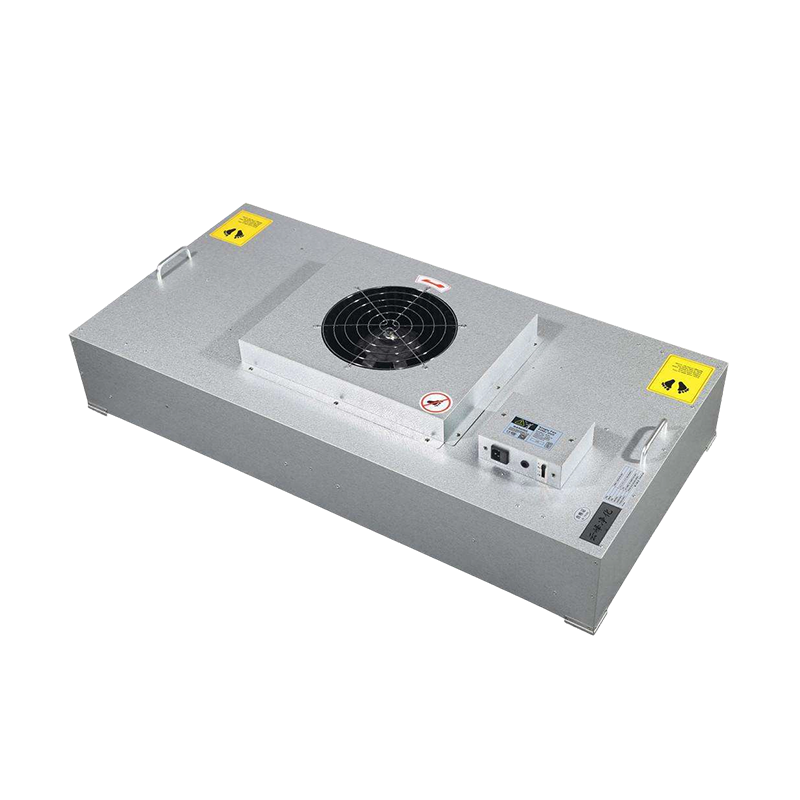
A Fan Filter Unit, commonly abbreviated as FFU, is a self-contained ceiling module that combines a motorized fan with a high efficiency filter to push continuously filtered air straight down into a cleanroom. In short: an FFU is the air-supply engine of a modern cleanroom system, and its motor type, filter grade, housing material and control method together decide how clean, how quiet and how energy efficient the space will be. Below is a detailed breakdown of how each part works and how to choose the right unit for a given application.
What an FFU Actually Does Inside a Cleanroom System
Inside a cleanroom ceiling grid, ordinary air from the plenum above is drawn through the FFU housing, passed through a fan, and pushed through a terminal filter before entering the workspace as a uniform downward curtain of clean air. Because the fan and filter are packaged into one module, FFUs can be installed individually for a spot-clean workstation or arranged side by side to build a full Class 100 laminar flow ceiling. This modular approach is one of the reasons Modular Cleanroom Construction has become the standard method for pharmaceutical, electronics and laboratory facilities that need to scale capacity quickly without redesigning the entire HVAC system.
A typical Industrial FFU Unit is tested individually before shipment using a particle counter in line with US Federal Standard 209E, so every unit leaving the factory has a documented, verifiable performance record rather than a theoretical rating.
Core Components: Housing, Fan and Filter Working Together
Three physical elements determine how an FFU performs day to day: the housing material, the fan type, and the filter grade. The table below compares the three housing options most commonly specified for Modular FFU Units.
| Housing Material | Typical Weight | Corrosion Resistance | Best Suited For |
|---|---|---|---|
| 304 Stainless Steel | 25 to 30 kg | Excellent | Pharmaceutical GMP, food, corrosive zones |
| Aluminum Alloy | 18 to 22 kg | Good | Electronics cleanrooms, lightweight ceilings |
| Cold Rolled Steel, Powder Coated | 20 to 25 kg | Fair | General industrial cleanrooms |
Stainless Steel Cleanroom Panels and stainless FFU housings are usually paired together in pharmaceutical suites because both surfaces tolerate frequent wipe-down disinfection without pitting or shedding particles. Where extra rigidity or acoustic damping is needed, some housings also incorporate an Aluminum Honeycomb Cleanroom Panel core in the mounting frame.
Fan Technology: Why EC Motors Have Replaced AC Fans
The fan is the single biggest driver of running cost. Direct-drive EC brushless DC fans, such as the German EBM units used in higher-end FFUs, offer stepless speed control and a rated working life above 50,000 hours, compared with the shorter service intervals typical of traditional AC motors.
| Parameter | EC Brushless DC Fan | Traditional AC Fan |
|---|---|---|
| Motor efficiency | 70 percent or higher | 40 to 50 percent |
| Speed control | Stepless, 0-10V / PWM / RS485 | Stepped, transformer based |
| Noise at rated airflow | 48 to 52 dBA | 55 to 62 dBA |
| Maintenance | Maintenance free, brushless | Periodic brush or capacitor service |
| Energy saving vs AC | More than 50 percent under initial filter resistance | Baseline |
Because DC fans consume so much less power at the filter's initial resistance point, a facility running several hundred FFUs around the clock can recover the higher upfront fan cost within one to two years purely through the electricity bill.
Filtration Grades: Matching the Filter to the Required Cleanliness Class
The terminal filter, not the fan, is what actually removes particles from the airstream. A Cleanroom High Efficiency Filter is rated by its capture efficiency at 0.3 micron, and choosing the wrong grade either wastes energy or fails to meet the process cleanliness target.
| Filter Grade | Efficiency at 0.3 micron | Typical Cleanliness Class | Common Use |
|---|---|---|---|
| H13 HEPA | 99.97 percent | ISO 7-8 | Electronics assembly, food packaging |
| H14 HEPA | 99.995 percent | ISO 6 | Pharmaceutical GMP suites |
| U15 ULPA | 99.9995 percent | ISO 5, Class 100 | Semiconductor lithography, BSL labs |
| U17 ULPA | 99.999995 percent | ISO 4-5 | Advanced semiconductor manufacturing |
When a filter reaches the end of its service life, only the media needs replacing rather than the whole unit, which is why a reliable FFU Replacement Filter supply chain matters as much as the initial equipment purchase. Facilities that plan ahead typically standardize on one Fan Filter Unit Replacement Filter size across a project to simplify inventory and reduce downtime during changeouts.
Related Cleanroom Products from Our System
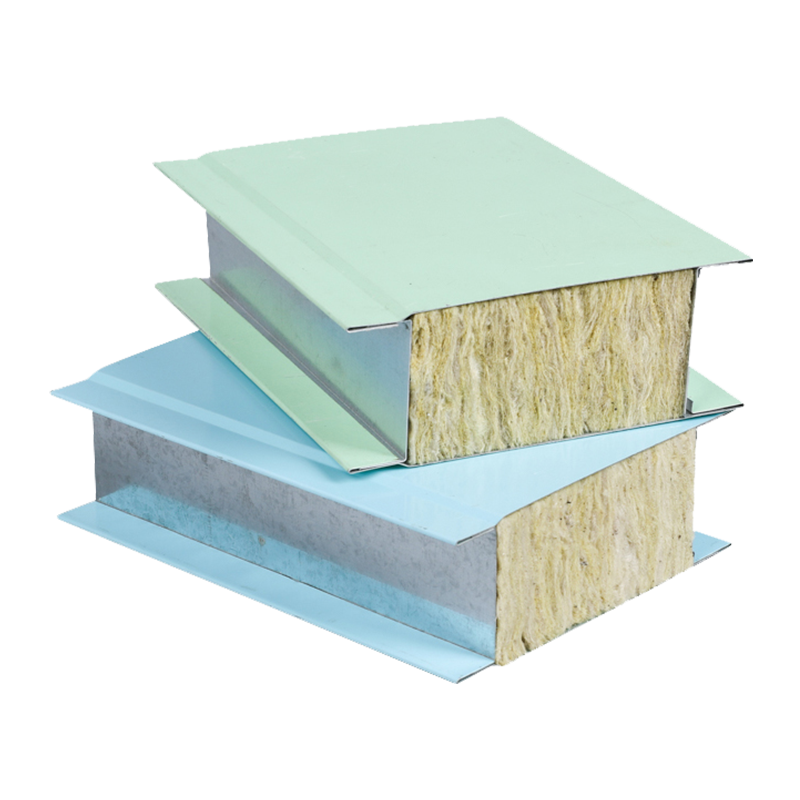
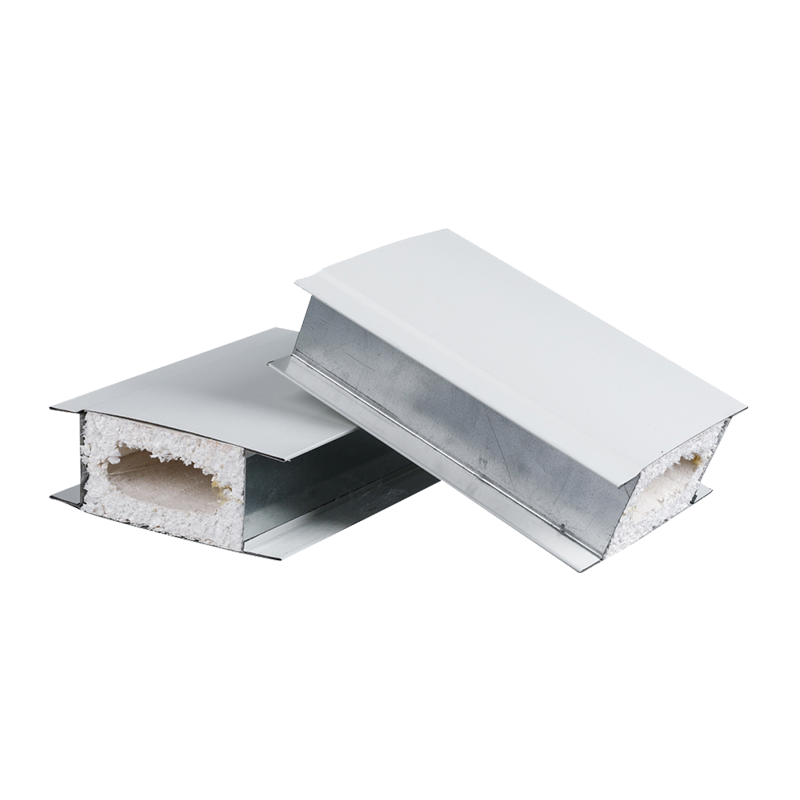
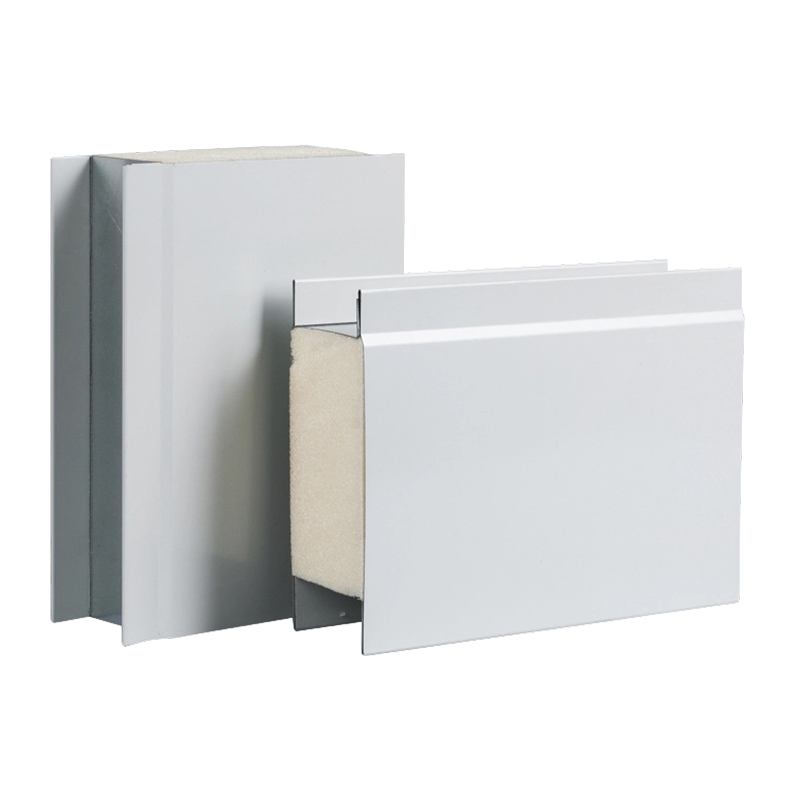
Beyond the FFU itself, a complete cleanroom envelope relies on matched Clean Room Panels and filtration components. The items below are drawn directly from our product range and are commonly specified together in modular cleanroom projects.
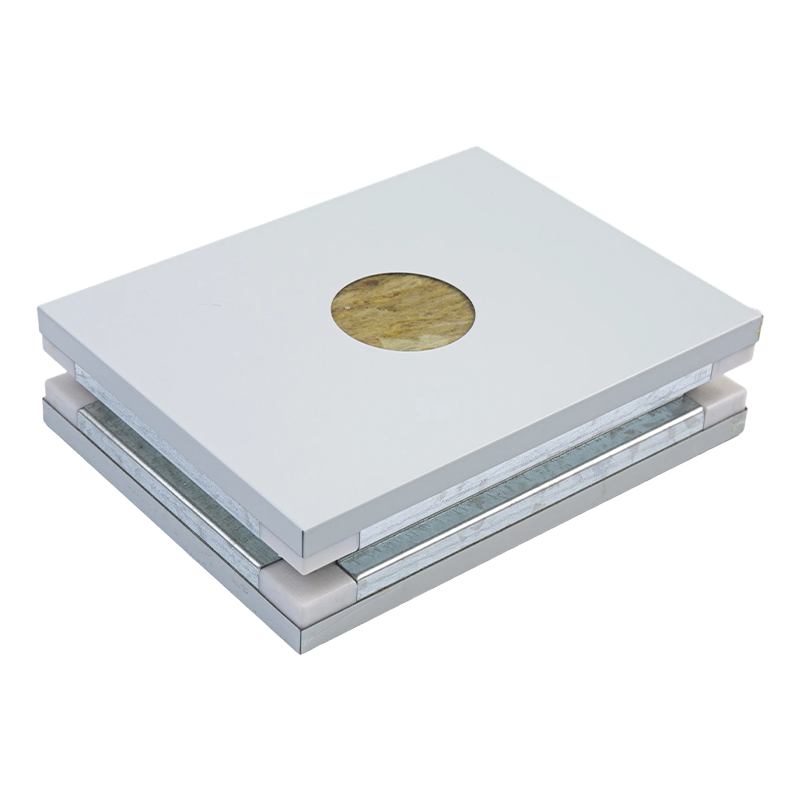
Layout and Selection Guide by Cleanliness Class
Choosing the right FFU size, airflow and coverage density is a project-specific calculation, but the reference ranges below cover the majority of Cleanroom Systems built for medical, laboratory and pharmaceutical use.
| Target Class | Recommended FFU Size | Rated Airflow | Ceiling Coverage |
|---|---|---|---|
| ISO 5, Class 100, full coverage | 1175 x 575 mm or 1225 x 1225 mm | 1000 to 1500 cubic meters per hour | 90 to 100 percent |
| ISO 6, Class 1,000 | 1175 x 575 mm | 800 to 1000 cubic meters per hour | 20 to 35 percent |
| ISO 7, Class 10,000 | 1175 x 575 mm | 600 to 800 cubic meters per hour | 15 to 25 percent |
| Localized clean zone | 610 x 610 mm or custom | 300 to 600 cubic meters per hour | Spot placement only |
For Laboratory Cleanroom Panels and Medical Cleanroom Panels working alongside full coverage FFU ceilings, keeping face velocity within 0.35 to 0.45 meters per second is what actually maintains unidirectional airflow, not simply raising fan speed. Where combustible dust or flammable solvents are handled, an Explosion-proof FFU Fan Filter Unit with sealed electrical components should be specified instead of a standard model.
Centralized Control for Large-Scale FFU Arrays
A single production cleanroom can contain anywhere from a few dozen to several thousand FFUs, so manual adjustment is not practical at scale. A properly wired control platform delivers the following:
- One computer terminal can monitor and adjust close to 8000 EC fan units, tracking speed, runtime and fault status in real time.
- FFUs can be grouped by zone so production areas run at full speed while unoccupied zones drop to an energy-saving setting automatically.
- Differential pressure sensors can trigger automatic speed increases to hold room pressure within its setpoint band.
- Fan and filter data can be logged to flag high-consumption units before they become a maintenance emergency.
Units built on Cleanroom Aluminum Profiles ceiling grids integrate cleanly with this kind of wiring layout, since the profile channels are designed to route control cabling alongside the FFU array without extra conduit work.
Maintenance Schedule That Keeps an FFU Running Reliably
Filter life and fan life are two separate clocks, and both need tracking. A practical maintenance rhythm looks like this:
| Interval | Task |
|---|---|
| Monthly | Check for abnormal noise or vibration and record differential pressure readings |
| Quarterly | Clean the impeller and housing interior, check electrical connections |
| Semi-annually | Measure outlet velocity at several points and rebalance if deviation exceeds 20 percent |
| Annually | Run a PAO leak test on the HEPA or ULPA filter and recalibrate sensors |
When differential pressure across the filter reaches roughly double its initial value, or a leak test shows any bypass, it is time to fit a new Cleanroom Air Filter rather than continue running the existing media. With this schedule, a well-built FFU using a quality EC fan can reasonably reach a total service life beyond ten years, with the motor itself rated for around 80,000 hours of continuous operation.
Message Feedback
Product Categories
Easily navigate and discover our complete range of solutions through our logically structured product
categories.



- E-Mail: [email protected]
- Tel: +86 18968239620
- Address: Room No.905, He Yuan Mansion, No. 382, Tianda Lane, Ningbo Southern Business District, Yinzhou Ningbo China
Quick Links
Contact Us
© Copyright Zhejiang Kaisier Clean Technology Co.,Ltd.
All Rights Reserved.
 Cleanroom Systems Manufacturer
Modular Cleanroom Solutions Factory
Cleanroom Systems Manufacturer
Modular Cleanroom Solutions Factory
-
+86 18968239620
-
-
