

 en
en
 English
 русский
 Español
 عربى
عربى ไทย
ไทยWhat is a Steel Structure Framework?
2026-04-22 - Last Updated: 2026-04-23
Content
- 1 How to Select the Right C-shaped Steel Purlins Specifications Based on Building Load Requirements
- 2 Which Has Better Thermal Insulation Performance: Color-coated Steel Profiled Sheets or Color Steel Sandwich Panels?
- 3 Which is More Suitable for High-rise Buildings: Steel Floor Decking or Traditional Concrete Formwork?
- 4 How to select a suitable Steel Structure Systems based on span and load?
How to Select the Right C-shaped Steel Purlins Specifications Based on Building Load Requirements
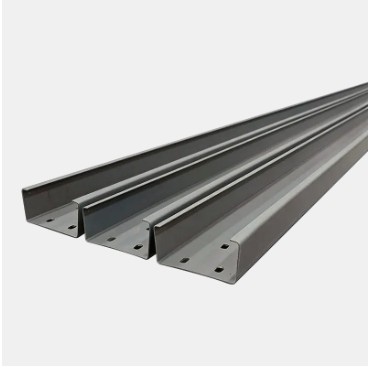
The primary principle in selecting C-shaped steel purlins specifications for steel structure design is to ensure the ratio of section height (H) to span is typically between 1/35 and 1/50, while the section modulus must withstand the maximum bending moment. For industrial plants with a standard span of 6 meters, the preferred specifications are usually C180×60×20×2.5 or C200×70×20×3.0. Specific specifications must be determined based on precise calculations of dead loads, live loads, and environmental loads (wind and snow).
Specific Impacts of Key Load Types on Selection
As cold-formed thin-walled steel components, C-shaped steel purlins have a high strength-to-weight ratio, but their response to different load types varies significantly:
Dead Loads and Roofing System Self-Weight
Dead loads include the weight of color-coated steel sheets or sandwich panels. For example, using a 75mm thick glass wool sandwich panel increases the self-weight by approximately 12-15kg per square meter. If a photovoltaic system is installed on the roof, the purlin wall thickness should be increased from 2.0mm to 2.5mm or more based on the additional 15-20kg/m² load.
Climatic Environmental Loads (Wind and Snow)
In areas with heavy snow loads, purlins must possess extreme compression resistance. In coastal areas with high winds, wind suction may cause the bottom flange of the purlin to lose stability under pressure. Therefore, it is recommended to choose specifications with a flange width (B) of no less than 60mm in high wind pressure areas to enhance torsional rigidity.
Reference for Common C-shaped Steel Purlins Specifications and Load Spans
To balance safety and material economy, the following are industrial selection recommendations based on conventional load conditions:
| Span Range (m) | Suggested Specification (H×B×C) | Common Thickness (mm) | Primary Application Scenarios |
|---|---|---|---|
| 4.0 - 5.0 | C140 / C160 | 2.0 - 2.5 | Lightweight warehouses, logistics center walls |
| 5.5 - 6.5 | C180 / C200 | 2.5 - 3.0 | Standard industrial plant roof support |
| 7.0 - 8.0 | C220 / C250 | 2.5 - 3.2 | Large-span venues, heavy-duty structures |
Practical Selection Suggestions to Improve Structural Safety
When determining specifications, in addition to physical dimensions, the following technical points should be observed:
- Strictly Enforce Deflection Limits: The deflection of roof purlins under full load combinations should not exceed L/150. For example, the downward deflection of a 6-meter span purlin must be controlled within 40mm; otherwise, the section must be increased.
- Material Strength Optimization: For projects with higher loads, adopting Q355 grade steel instead of conventional Q235 can significantly improve load-bearing capacity while maintaining smaller specifications, effectively reducing the self-weight of the main structure.
- Corrosion Resistance Considerations: Although C-shaped steel purlins have good corrosion resistance, in acidic or coastal environments, specifications with a galvanized layer of no less than 275g/m² should be selected to prevent a decline in load-bearing capacity due to material corrosion.
Which Has Better Thermal Insulation Performance: Color-coated Steel Profiled Sheets or Color Steel Sandwich Panels?
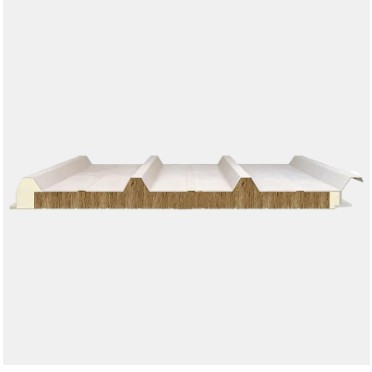
The clear conclusion is that Color Steel Sandwich Panels offer significantly superior thermal insulation performance compared to Color-coated steel profiled sheets. While a single-layer profiled sheet primarily acts as a weather barrier with negligible thermal resistance, a sandwich panel utilizes a core insulation layer that creates a robust thermal break. In practical industrial applications, switching to sandwich panels can result in an internal temperature reduction of 10°C to 15°C during peak summer months.
Core Structural Differences and Thermal Resistance
The gap in insulation performance is a direct result of the cross-sectional composition of these two materials:
Single-Layer Color-coated Steel Profiled Sheets
Profiled sheets like the YX25-210-840 are made of high-conductivity steel. Without an integrated core, heat from solar radiation is transferred almost instantly to the building's interior. These are ideal for unheated warehouses or sheds where thermal regulation is not a priority.
Composite Color Steel Sandwich Panels
These panels consist of two steel skins bonding a core of Polyurethane (PU), Rock Wool, or EPS. This "sandwich" structure effectively blocks conductive heat transfer. A Polyurethane integrated panel, for example, provides the highest thermal efficiency available in modern industrial construction.
Technical Data: Thermal Conductivity Comparison
The following data illustrates the thermal conductivity (λ) of various materials. Lower values represent better insulation properties:
| Material Category | Thermal Conductivity (W/m·K) | Insulation Efficiency |
|---|---|---|
| Steel Profiled Sheet (Metal Only) | ~ 50.0 | Negligible |
| Rock Wool Sandwich Panel | 0.035 - 0.045 | High |
| PU (Polyurethane) Sandwich Panel | 0.018 - 0.024 | Very High |
Strategic Application Guidelines
When choosing between these materials, consider the specific functional requirements of the project:
- Climate-Controlled Facilities: For cold storage or food processing, Polyurethane integrated panels are essential for maintaining strict temperature differentials.
- Industrial Fire Safety: Where fire resistance is as critical as insulation, Rock wool sandwich panels are the optimal choice, offering A-grade fire protection.
- Economic Shelters: Profiled sheets like the YX35-125-750 are cost-effective for open-air structures or agricultural buildings where internal climate is not managed.
Added Value of Sandwich Panel Systems
Beyond heat regulation, sandwich panels provide several engineering advantages over single-layer sheets:
- Acoustic Damping: The core material significantly absorbs impact noise from rain and wind.
- Structural Strength: The composite rigidity allows for increased spans between C-shaped steel purlins, reducing overall structural steel usage.
- Condensation Control: Continuous insulation prevents internal moisture buildup (sweating), protecting inventory and internal fixtures.
Which is More Suitable for High-rise Buildings: Steel Floor Decking or Traditional Concrete Formwork?
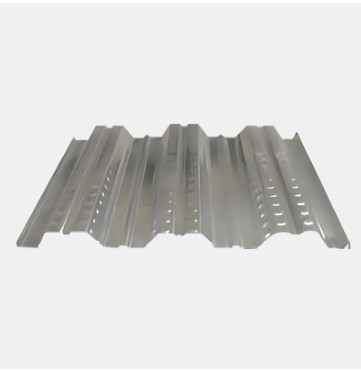
In the construction of modern high-rise buildings, steel floor decking is the ideal choice over traditional concrete formwork. As a permanent support system, steel decking can be constructed simultaneously with the main steel structure, significantly increasing overall structural rigidity and shortening the construction cycle by over 30%. For high-rise buildings exceeding 100 meters, traditional formwork faces immense challenges in turnover and support at high altitudes, whereas steel decking—with its lightweight, high-strength, and non-removable characteristics—has become the core of high-efficiency construction.
Core Advantage Analysis: Why High-Rise Buildings Favor Steel Decking
Steel floor decking is not merely a template for the construction phase; it plays a critical role throughout the entire building lifecycle:
Structural Performance and Safety
Steel decking (such as the YX 75-293-880 heavy-duty high-strength model) greatly improves the lateral rigidity of the floor slab through its corrugated shape. In high-rise buildings, this composite slab structure effectively enhances seismic redundancy and provides a solid working platform immediately after laying, ensuring the safety of workers at high altitudes.
Significant Reduction in Structural Self-Weight
The self-weight of every floor in a high-rise building exerts massive pressure on the foundation. Using steel decking allows for a reduction in concrete slab thickness, significantly lightening the floor weight. This enables designers to reduce the cross-sectional dimensions of the main frame beams and columns, achieving better utilization of architectural space.
In-Depth Comparison of Technical Parameters
The following table clearly illustrates the performance differences between the two solutions in a high-rise environment:
| Comparison Item | Steel Floor Decking System | Traditional Concrete Formwork |
|---|---|---|
| Construction Cycle | Extremely fast; multi-floor linked construction | Slow; requires time for curing and removal |
| Support System | Basically no temporary support needed | Requires complex and dense scaffolding |
| Material Properties | Permanently participates in structural load-bearing | Temporary; does not contribute to strength |
| Site Cleanliness | High; no waste material or dust | Low; high amount of timber mold waste |
Application Recommendations for Typical Models
Based on different load and span requirements in high-rise buildings, the following professional models are recommended:
- YX 51-253-760 High-rib Load-bearing Type: Suitable for large-span office buildings, providing excellent overall slab rigidity.
- YX 35-125-750 Lightweight Composite Type: Suitable for light-load scenarios such as residential buildings, offering extremely high installation efficiency.
- YX 51-304-914 Widened Load-bearing Type: Suitable for large-area floor laying, reducing overlapping seams and improving airtightness.
Conclusion and Expert Advice
Considering mechanical performance, construction speed, and comprehensive costs, steel floor decking is undoubtedly the superior choice for high-rise building floor construction. During implementation, it is recommended to work in conjunction with C-shaped steel purlin systems for wall and auxiliary support design to ensure a more stable and reliable force transmission for the entire steel structure system.
How to select a suitable Steel Structure Systems based on span and load?
Selecting the right steel structure system must follow the basic principle: "Lattice/Truss systems for large spans, Composite/Heavy-duty systems for high loads, and Portal Frames for small to medium spans." By accurately matching the span and load requirements, you can maximize the reduction of steel consumption and shorten construction cycles while ensuring structural safety. Typically, for standard industrial plants with a span of 18-36 meters, the portal frame system represents the optimal balance of economy and stability.
System Selection Recommendations Based on Span Intervals
The span directly determines the sectional dimensions of components and the deflection control standards. Below are typical selection references for different span ranges:
Small and Medium Span (12m - 24m)
In this range, a Portal Frame System is recommended. This system utilizes solid-web H-shaped steel as the main rigid frame, supported by C-shaped steel purlins as the secondary support system. C-shaped steel purlins feature stable sectional mechanical properties, light weight, and a high strength-to-weight ratio, effectively transferring cladding loads to the primary structure.
Large Span (24m - 48m)
When the span exceeds 30 meters, the self-weight of solid-web components increases rapidly. In such cases, Steel Pipe Trusses or Space Frame structures are suggested. These systems greatly improve material utilization through compression and tension conversion between members, making them suitable for stadiums, aircraft hangars, and large-span industrial logistics centers.
The Specific Impact of Load Conditions on Component Selection
Loads include dead loads as well as live loads such as snow, wind, and crane loads:
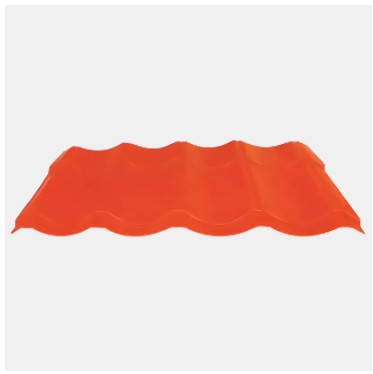
- Heavy Industrial Loads: If the roof must support large equipment or high-intensity operations, choose Deep Rib Load-Bearing Roofs (e.g., YX50-410-820) or high-strength profiled sheets to enhance local load capacity.
- Dynamic Loads (Cranes): For plants with heavy cranes, the main structure must use welded H-beams or lattice columns, paired with heavy-duty high-strength steel floor decks like the YX 75-293-880 to handle frequent dynamic impacts.
- Environmental Protection Loads: In high wind pressure areas, the secondary support system, such as C-shaped steel purlins, should be laid out more densely to ensure stable mechanical performance.
Span, Load, and Structural Component Matching Table
The following table summarizes the requirements for steel structure components based on various span and load combinations:
| Application Span (m) | Load Intensity | Main Structural System | Recommended Secondary Support/Cladding |
|---|---|---|---|
| 12 - 18 | Lightweight | Portal Frame | C-shaped Steel Purlins / YX25-210-840 |
| 24 - 36 | Medium | Reinforced H-beam | Color Steel Sandwich Panel / YX 35-125-750 |
| Above 36 | Heavy-duty | Steel Pipe Truss / Composite | Heavy-duty High-strength Floor Deck / PU Panel |
Practical Strategies for Selection Optimization
In actual engineering, focus on these details to further optimize the system:
- Building Envelope Integration: Selecting Polyurethane (PU) Integrated Panels can simultaneously satisfy insulation and lightweight requirements, reducing the structural load caused by the weight of the envelope system.
- Floor System Coordination: For high-rise or multi-story structures, prioritize composite floor decks like the YX 32-130-780 to form a stable composite load-bearing structure.
- Material Consistency: Ensuring mechanical parameter matching between C-shaped steel purlins, color-coated profiled sheets, and sandwich panels significantly improves the building's service life and maintenance efficiency.
Message Feedback
Product Categories
Easily navigate and discover our complete range of solutions through our logically structured product
categories.



- E-Mail: [email protected]
- Tel: +86 18968239620
- Address: Room No.905, He Yuan Mansion, No. 382, Tianda Lane, Ningbo Southern Business District, Yinzhou Ningbo China
Quick Links
Contact Us
© Copyright Zhejiang Kaisier Clean Technology Co.,Ltd.
All Rights Reserved.
 Cleanroom Systems Manufacturer
Modular Cleanroom Solutions Factory
Cleanroom Systems Manufacturer
Modular Cleanroom Solutions Factory
-
+86 18968239620
-
-
